
A wide padlock is often chosen when standard locks simply do not feel strong enough or secure enough for the job. If you have ever looked at a gate, container, cabinet, or industrial door and thought, “This lock looks too small for what it is protecting,” you are already thinking in the right direction. A wide padlock is designed to cover more surface area, reduce exposed weak points, and make physical attacks far more difficult. It is not about making things complicated. It is about making them harder to break into.
In real-world security scenarios, especially in outdoor and industrial environments, attackers usually go for the fastest option. A wide padlock changes that equation. By increasing body width and shielding the shackle and hasp, it forces more effort, more noise, and more time. That alone can be enough to stop an attempt before it even starts.
A wide padlock is a padlock with a noticeably broader lock body compared to standard or compact padlocks. The width is intentional, not decorative. It allows the lock to physically block access to vulnerable parts of the locking point, such as the shackle, latch, or fixing bolts. In many cases, the internal structure is also reinforced, giving the lock higher resistance to cutting, prying, and drilling.
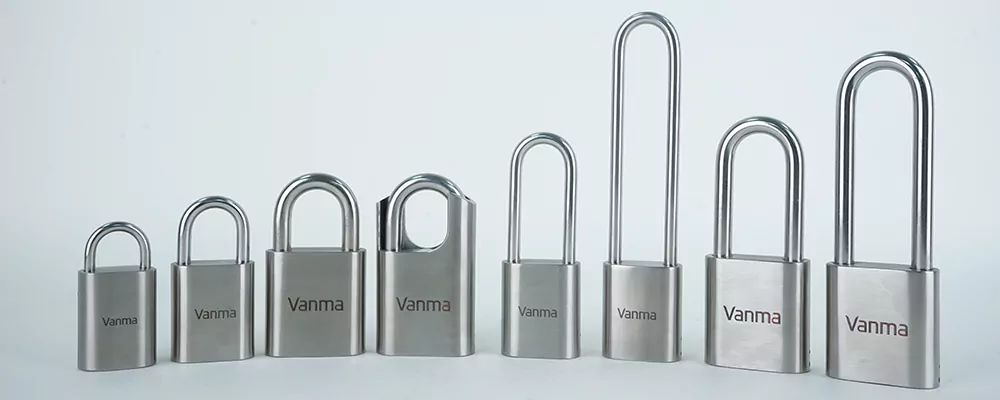
Compared to slim padlocks that focus on portability, a wide padlock focuses on presence and protection. It is commonly used where security is more important than convenience, such as industrial sites, outdoor cabinets, storage containers, and infrastructure equipment.
The biggest advantage of a wide padlock is how it limits attack angles. Bolt cutters, pry bars, and other tools need space to work. A wider lock body reduces that space. When the jaws of a cutter cannot fully engage the shackle, the attack becomes ineffective. This is one of the most practical reasons wide padlocks are preferred for high-risk areas.
Width also improves coverage. A wide padlock can sit closer to the hasp and door surface, hiding screws, rivets, and latch components that would otherwise be exposed. In simple terms, it protects not just the lock itself, but the entire locking point.
The lock body is the core of any wide padlock. A wider body usually means thicker walls and more room for reinforced internal components. This helps absorb impact and resist forced entry. Many heavy duty wide padlocks are made from hardened steel or stainless steel to improve durability and long-term reliability.
A wide padlock is only as strong as its shackle. High-quality models use hardened steel or stainless steel shackles with minimal exposed length. The goal is balance. Enough clearance to fit the hasp, but not so much that the shackle becomes an easy target. In many wide padlock designs, the shackle is partially shielded by the lock body itself.
Wide padlocks are widely used in industrial and commercial environments where standard padlocks fail too easily. Warehouses, factories, and logistics hubs often rely on wide padlocks to secure gates, storage rooms, and equipment cages. These locations demand locks that can handle both physical abuse and frequent daily use.
Outdoor infrastructure is another major application. Electrical cabinets, telecom enclosures, and utility boxes are often placed in public or semi-public areas. A wide padlock adds both physical protection and a visible deterrent, signaling that the equipment inside is not easy to access.
When comparing a wide padlock to a standard padlock, the difference becomes clear very quickly in real use. Standard padlocks are often easier to cut because their slim bodies expose more of the shackle. They may be fine for low-risk indoor use, but they struggle in outdoor or high-value scenarios.
A wide padlock trades compact size for better protection. It is not always the right choice, but when security matters, the extra width often makes a meaningful difference.
Material choice plays a major role in how a wide padlock performs over time. Hardened steel bodies are popular for maximum resistance to cutting and impact. Stainless steel is preferred for outdoor environments where corrosion is a concern. Some wide padlocks also feature protective coatings to extend service life in harsh conditions.
Many wide padlocks are installed outdoors, which means they must handle rain, dust, heat, and cold without failing. A well-designed wide padlock includes sealed internal components and corrosion-resistant materials. This ensures smooth operation even after long exposure to the elements.
Choosing the right wide padlock starts with understanding your application. Measure the hasp width, shackle clearance, and door thickness before selecting a lock. Think about whether the lock will be used indoors or outdoors, and how often it will be opened and closed.
It is also important to consider the overall security system. A strong wide padlock should always be paired with a solid hasp and mounting hardware. The lock should never be the strongest part of a weak setup.
Wide padlocks do not require complicated maintenance, but basic care goes a long way. Periodic cleaning and light lubrication help prevent dirt buildup and internal wear. Regular inspection ensures early detection of corrosion or mechanical issues.
A wide padlock is a practical security upgrade for situations where standard locks fall short. By increasing body width, reducing exposed weak points, and improving resistance to common attacks, it offers real benefits in industrial, commercial, and outdoor environments. If you need a lock that works as hard as the assets it protects, a wide padlock is a smart and reliable choice.
A wide padlock is mainly used for securing gates, containers, cabinets, and industrial equipment where higher resistance to cutting and prying is required. Its wider body helps protect vulnerable locking points.
Yes, especially when made from stainless steel or treated with corrosion-resistant coatings. A wide padlock designed for outdoor use can handle weather exposure much better than basic padlocks.
Not always. It is important to measure the hasp and ensure the shackle clearance and body width are compatible before choosing a wide padlock.
Width improves security by reducing attack angles, but overall security also depends on materials, internal design, and correct installation.
For high-risk or outdoor applications, the added durability and protection usually make a wide padlock a worthwhile long-term investment.

