
Which Industries Benefit Most from Implementing Passive Electronic Locks?

Passive Locks: High-ROI Access for Distributed Sites
Smart lock technologies have matured in recent years, but passive lock architectures—where the lock is battery-free and intelligence/power live in the key—deliver standout ROI in industries with many remote, unpowered, or cabinet-level access points. This article maps where passive Electronic locks outperform wired and battery-powered alternatives, why the business case is compelling, and how to stage a rollout.
Why Passive Electronic Locks Win in the Real World
What They Are
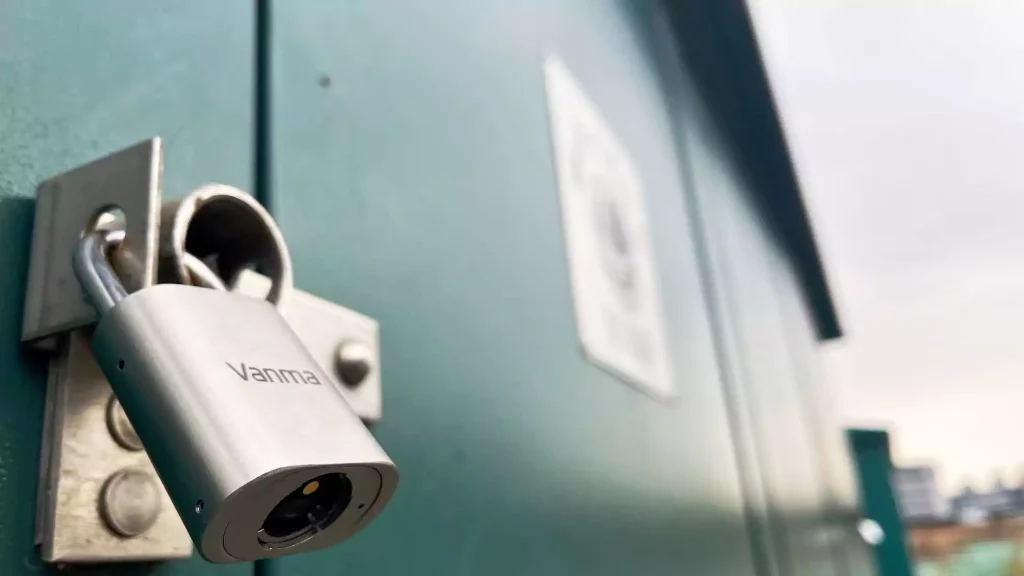
A passive lock is a battery-free lock cylinder, cam lock, or padlock that is energized and authenticated by a programmable electronic key at the moment of contact. In practice, this combines the low-maintenance feel of a mechanical lock with the auditability and role-based control of a smart lock. The key stores encrypted permissions (who/where/when) and gathers open/close records for later sync, so managers can prove “who opened what, when” even without door wiring or a live network.

Where They Shine
- Unpowered doors/cabinets: trackside cabinets, substations, telecom shelters, pump houses, traffic-signal enclosures.
- High contractor turnover: fast key revocation without re-coring locks.
- Compliance pressure: clean audit trails to demonstrate access control in inspections and investigations.
- Harsh environments: stainless bodies and sealed cores suited to outdoor/industrial duty.
Market Outlook & Investment Signal
Authoritative Data Support: The global intelligent passive electronic lock market was valued at USD 1.99B in 2024, projected to grow from USD 2.09B (2025) to USD 2.63B (2031) at a 4.6% CAGR. Intel Market Research
External Link Reference: Another independent view estimates the passive electronic lock market at USD 2.5B (2024) with potential to reach USD 4.1B by 2033 (CAGR ~6.5% from 2026–2033). Verified Market Reports
What this means: Even with differing methodologies, multiple sources converge on steady, secular growth—driven by critical-infrastructure hardening, distributed assets, and the shift from coarse mechanical key control to auditable Electronic locks.
Industries with the Highest ROI
1) Electric Power: Transmission & Substations
Business context: Transmission stations/substations are dispersed, contractor-heavy, and risk-sensitive. Wiring every door is prohibitive; mechanical re-keying after staff/contractor changes is slow and costly.
Passive-lock fit : Gate doors, relay/control rooms, yard enclosures, telecom/SCADA cabinets, battery rooms. Role-based keys and audit trails reduce truck rolls and support incident forensics.
Why now: Evolving NERC CIP-014 versions focus on identifying and protecting critical transmission stations against physical attack—stronger governance of physical access is central to compliance programs.

2) Telecom: Towers, Edge Huts & Street Cabinets
Business context : Unmanned sites, frequent vendor visits, and theft/vandalism risk.
Passive-lock fit : Shelter doors, battery compartments, RRUs, fiber/copper cabinets, rooftop enclosures. Time-bound permissions + key audit logs simplify SLA disputes and loss investigations.
3) Water & Wastewater Utilities
Business context : Remote pump houses, chemical rooms, and PLC cabinets typically lack reliable power or networking.
Passive-lock fit : Doors/gates, chlorine storage, process cabinets. Audit-ready logs aid plant audits and resilience planning.

4) Oil & Gas: Pipelines, Terminals & Well Pads
Business context : Vast footprints with limited comms; many third-party crews.
Passive-lock fit : Valve sites, RTU/PLC cabinets, perimeter gates, chemical sheds. Rapid “mark-key-lost” workflows avoid costly re-coring and reduce downtime.
Regulatory driver : Pipeline security directives reinforce coordinated physical/cyber safeguards at critical assets. (Context on physical-security expectations in bulk energy systems can be inferred from CIP-014’s transmission focus.)

5) Intelligent Transportation Systems (ITS): Traffic Signals & Field Cabinet
Business context : Thousands of signal/ITS cabinets are tamper targets; access must be controlled for both public safety and uptime.
Passive-lock fit : Signal controllers, VMS enclosures, CCTV poles, comms hubs. Cabinet-level audit trails accelerate root-cause analysis after incidents.

6) Data Centers & Edge Sites
Business context : Multi-tenant colocation and edge nodes need granular, attestable access—from perimeter doors down to individual racks—often without adding wires/batteries at the cabinet.
Passive-lock fit : Cages and racks at the edge; MMRs and distribution cabinets in colo.
Evidence base : Uptime Institute stresses layered physical security and the need to reassess human/digital risks as operations become more distributed—supporting the case for auditable, least-privilege physical access.

7) Healthcare & Pharma
Business context : Controlled-substances storage, clinical fridges, and mobile carts demand provable custody.
Passive-lock fit : Drug rooms, anesthesia carts, ward cabinets, vault compartments. Audit trails and time windows help align with inspections and SOPs.

8) Logistics, Warehousing & Ports
Business context : Certification frameworks and customer audits expect layered physical controls and clear access records.
Passive-lock fit : High-value cages, server/network rooms, perimeter gates, charging rooms for MHE. Audit logs tie directly to incident response and loss-prevention KPIs.

9) Rail & Transit
Business context : Lineside cabinets and depots are high-frequency service points with rotating crews.
Passive-lock fit : Signal/points cabinets, wayside power/telecom huts, depot rooms. Keys store open/close logs for later sync, enabling forensic timelines after service disruptions.

Decision Matrix: Where to Start
|
Industry
|
Typical Unpowered Points
|
Key Pain Points
|
Passive-Lock Advantages
|
Fast-Track KPIs
|
|---|---|---|---|---|
|
Electric Power
|
Yard gates, relay rooms, SCADA cabinets
|
Re-keying toil, contractor churn, CIP evidence
|
Role-based keys, offline audit logs, revoke without re-coring
|
Time-to-revoke, audit-pass rate, truck-roll reduction
|
|
Telecom
|
Tower shelters, street cabs, rooftops
|
Theft/vandalism, dispersed vendors
|
No door wiring, time windows, event trails
|
Theft incidents ↓, SLA disputes resolved, mean time to secure (MTTS)
|
|
Water/Wastewater
|
Pump houses, chemical rooms, PLCs
|
No mains power, compliance
|
Battery-free locks, encrypted keys, audit exports
|
Inspection findings closed, access latency, chemical-room breaches
|
|
Oil & Gas
|
Valve sites, RTUs, fence gates
|
Remote sites, multi-party access
|
Revocation without field re-coring, tamper evidence
|
Re-key cost ↓, response time, unauthorized access events
|
|
ITS/Traffic
|
Signal/ITS cabinets
|
Cabinet tampering, contractor control
|
Cabinet-level auditing, simple rollout
|
Tamper incidents ↓, cabinet uptime, work order traceability
|
|
Data Center & Edge
|
Racks, cages, MMRs
|
Granular control at scale
|
Rack-level audit trails, least-privilege at the edge
|
Unauthorized rack opens ↓, audit-ready logs, time-to-investigate
|
|
Healthcare/Pharma
|
Drug rooms, carts, fridges
|
Custody proof, inspections
|
User/time windows, exportable logs
|
Diversion events ↓, inspection pass rate
|
|
Logistics/Ports
|
HVTT cages, gates, IT rooms
|
Certification audits, loss
|
Audit trails, unified key mgmt
|
Shrinkage ↓, audit exceptions, door-to-dock latency
|
|
Rail/Transit
|
Trackside cabinets, depots
|
Crew turnover, dispersion
|
Offline logs, shared standards
|
Delays traced, access discrepancies resolved
|
Implementation Playbook
Phase 1 — Risk Mapping
Inventory unpowered doors/cabinets, contractor-touched assets, and compliance-sensitive areas. Tag each with likelihood/impact scores and visit frequency. Prioritize the quadrant: high impact × high traffic.
Phase 2 — Pilot with Clear Hypotheses
Define a 60–90 day pilot across 2–3 site types (e.g., telecom shelter, substation relay room, traffic cabinet). Hypotheses might include: 50% faster credential changes, >90% audit-log completeness, 30–40% reduction in truck rolls for re-keys.
Phase 3 — Policy & Key Governance
Codify role-based profiles (Ops, Contractor, Inspector) with time windows. Establish lost-key SOPs (immediate revocation, post-incident review). Schedule quarterly permission recertification.
Phase 4 — Scale with Integrations
Export audit logs to SIEM/GRC systems; align events with work orders. For large fleets, standardize cylinder formats/padlock types to simplify spares and field swaps.
Compliance & Best-Practice Lens
Energy Sector: Physical Security Expectations
Regulators and industry bodies reinforce systematic physical-access governance at critical grid assets. The evolution from CIP-014-1 to drafts of CIP-014-4 underscores ongoing refinement around identifying critical stations and documenting risk assessments and mitigations. Passive Electronic locks help prove control and accountability in these environments.
Data Centers: Layered Physical Controls
Industry analysis emphasizes multiple perimeters, credential hygiene, and continuous review as facilities distribute into micro-edge nodes. Cabinet-level audit trails from passive systems complement badges/biometrics at outer rings.
Quick FAQ
Are passive locks “smart locks”?
Yes—passive lock systems are a class of smart lock where the intelligence and power reside in the key. They deliver many “smart” capabilities (permissions, schedules, audit logs) without wiring or batteries in the lock hardware itself.
How do they differ from other Electronic locks?
Battery-powered locks embed electronics/batteries in the door hardware, and wired locks need power/cabling to each opening. Passive systems move that complexity to the key, simplifying field maintenance and enabling use in harsh, remote cabinets.
What happens if a key is lost?
You don’t need to re-core the field lock. Simply revoke the key in software and (optionally) reassign a new key profile—ideal for industries with rotating contractors.
Field Notes: KPI Benchmarks to Track
- Time-to-revoke (credential change latency after personnel changes)
- Re-key cost & truck rolls (compare vs. mechanical baselines)
- Audit-log completeness (percentage of openings with user/time/context)
- Incident MTTR (how quickly forensics locate unauthorized access)
- Certification/audit findings (exceptions before/after deployment)
Overall Conclusion
Passive Electronic locks sit at the sweet spot where smart lock control meets low-maintenance deployment: no door wiring, no lock batteries, full auditability. They deliver the biggest wins in industries with distributed, unmanned, and compliance-sensitive assets—energy (transmission/substations), telecom, water/wastewater, oil & gas, ITS/traffic, data centers/edge, healthcare/pharma, logistics/ports, and rail/transit. Start by mapping unpowered, high-traffic openings; pilot with tight KPIs (revocation latency, audit-pass rate, truck-roll reduction); then scale with clear governance and SIEM/GRC integrations. With compliance expectations tightening and edge footprints expanding, the business case for passive lock deployments will only strengthen in the years ahead.
Share:
Table of Contents
Try Vanma Electronic Lock
You can contact us to request samples, and to experience the convenience of Vanma electronic locks.
Contact Us NowChoose A Trusted Access Control Manufacturer for
Reliable Solutions
As a professional manufacturer of access control systems and electronic locks, Vanma offers high-quality solutions to protect your premises and assets. Contact us by filling out the form below to receive professional consultation and support.
