
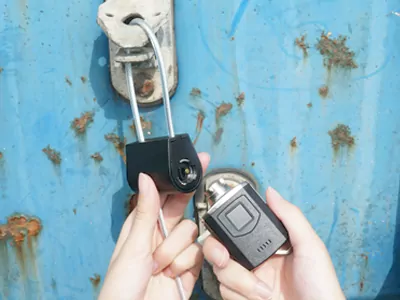
In the fast-paced world of logistics, where goods move daily across highways, ports, warehouses, and railways, one critical question remains: how secure is your cargo? Cargo theft and unauthorized access continue to pose significant risks to supply chains worldwide. Reports from transport security organizations highlight that trucks, trailers, and containers remain the most common targets for theft. The solution lies not just in surveillance or insurance, but in selecting the right trailer lock.
Today’s logistics operators face a choice between traditional mechanical locks, battery-powered active electronic locks, and innovative passive electronic locks. Each system offers distinct advantages and trade-offs. In this article, we will explore the different lock types, compare them side by side, and show how a modern trailer lock—particularly Vanma’s passive electronic lock—can transform security strategies across industries.

Main Types of Trailer Lock Systems in Logistics

Mechanical Lock
How it works: Standard padlocks or bar locks.
Advantages: Affordable, simple, widely available.
Limitations: Keys can be duplicated, locks can be picked or cut, and there is no audit trail of usage.

Active Electronic Lock
How it works: Battery-powered locks with electronic access control, often with wireless features.
Advantages: Remote unlocking, integration with fleet management systems.
Limitations: Require frequent battery replacement or charging, high maintenance costs, risk of lock failure when power is low.

Passive Electronic Lock
How it works: No battery inside the lock; powered by a rechargeable electronic key.
Advantages: Maintenance-free locks, audit trail of every unlock, role-based authorization, one key can open many locks.
Limitations: Requires initial software setup for key and lock authorization.
Comparison Table: Mechanical vs Active vs Passive Trailer Locks
| Feature | Mechanical Lock | Active Electronic Lock | Passive Electronic Lock |
|---|---|---|---|
| Power Source | None | Built-in battery | Powered by electronic key |
| Maintenance | Low | High (battery replacement/charging) | Low (rechargeable key only) |
| Access Control | Single physical key | Remote and digital | Centralized software authorization |
| Audit Trail | None | Limited | Full records of unlock time, user, location |
| Best Use Case | Low-value goods, short trips | High-tech fleets, short-term logistics | Harsh environments, global logistics, multi-site operations |
This comparison shows why Vanma’s passive electronic trailer lock offers the most balanced solution for logistics: rugged, secure, and low-maintenance.
Applications in Road Transport
Road transport forms the backbone of global logistics, and trailers are often exposed to theft when parked overnight, during rest stops, or while waiting for unloading.
- Kingpin Locks: These prevent unauthorized tractors from connecting to a trailer.
- Rear Cargo Door Locks: Protect goods inside trailers from tampering or theft.
- Vanma Passive Padlocks: With IP68 protection, they withstand dust, rain, and temperature extremes, while providing electronic access records.
Case in Point: In Kenya, a logistics railway project applied Vanma L50H electronic trailer locks across containers mounted on freight trains. A single electronic key allowed warehouse managers to open multiple locks, with all actions recorded in the system. This reduced delays and ensured accountability at every stop.
Trailer Lock Use in Container Transport
Containers move millions of tons of goods across borders, making them high-value targets. Traditional bolt seals are no longer sufficient for modern supply chains.
- High-Security Seals: Tamper-evident but lack real-time data.
- Electronic Container Locks: Provide access control and tracking.
- Vanma Container Trailer Lock: Enables one key to open multiple container doors, ensuring efficiency and eliminating the need to carry large bundles of keys.
In intermodal freight, where containers transfer between ships, trains, and trucks, a Vanma trailer lock system ensures that only authorized personnel at designated locations can unlock the cargo, strengthening security while streamlining operations.
Trailer Lock for Cargo Door Protection
Cargo doors—whether on delivery trucks, warehouse docks, or storage trailers—are prime targets for thieves.
- Challenges: Unauthorized opening, missing audit records, or damaged locks.
- Solution: Vanma’s IP68-rated padlocks resist dust, rain, and even extreme temperatures. They integrate seamlessly with fleet software to record exactly who opened a lock and when.
Trailer Lock with GPS Integration
GPS-enabled locks represent a leap forward in logistics. These locks not only secure cargo but also track its location in real time.
Benefits:
- Real-time location monitoring.
- Geofencing alerts if the trailer deviates from its route.
- Remote unlocking capability in emergencies.
Vanma Advantage: Vanma locks integrate with management software to combine GPS tracking with access control. Each unlock request can be verified against location, time, and user authorization.
For global operators moving goods across multiple countries, a GPS-enabled trailer lock ensures visibility and control over every stage of the journey.
Industry-Specific Needs for Trailer Lock Systems

- Utilities (Power & Telecom): Vanma trailer locks secure substations, electric cabinets, and telecom enclosures spread across remote areas.
- Transportation: Railway cargo containers and truck trailers rely on one-key-for-many-locks solutions for efficiency.
- Warehousing & Retail: Warehouse doors, distribution trucks, and even vending machines benefit from electronic locks that track access.
- Oil & Gas: Pipelines, tanker trucks, and hazardous storage require explosion-proof certified locks, a feature available in Vanma’s portfolio.
Why Choose Vanma Trailer Lock Solutions
When compared with standard mechanical or battery-powered locks, Vanma’s passive electronic trailer lock system provides a clear advantage:
- AES-256 Encryption: Prevents key duplication and hacking.
- Rechargeable Keys: No batteries inside the locks themselves; only the keys require charging.
- Audit Trails: Every unlock event is logged, including user, time, and location.
- One Key, Many Locks: Fleet managers can simplify key management dramatically.
- Proven Success: From telecom cabinets in Peru to railway cargo in Kenya, Vanma solutions have been tested globally.
Vanma’s software platform further enhances operations, allowing administrators to authorize, revoke, and monitor access across thousands of locks seamlessly.
Choosing the Right Trailer Lock for Your Logistics Needs
When selecting the ideal trailer lock, logistics managers should consider:
- Type of Asset: Trailer, container, warehouse door, or tanker.
- Security Requirement: Basic theft deterrence, access control, or full audit trail.
- Integration Needs: Whether the lock should work with fleet management or GPS systems.
- Environment: Outdoor, high-humidity, or explosive zones.
Summary Recommendation:
- Use mechanical locks for low-risk, short-term shipments.
- Choose active electronic locks for fleets requiring remote unlock features but manageable maintenance.
- Opt for Vanma passive electronic trailer locks when long-term reliability, low maintenance, and audit control are top priorities.
Conclusion: Strengthening Logistics with Trailer Locks
In global supply chains, securing trailers, containers, and cargo doors is not just about preventing theft—it’s about ensuring trust, accountability, and efficiency. The right trailer lock forms the frontline of logistics security.
Mechanical locks may still have their place, but modern logistics increasingly demand intelligent solutions. Active electronic locks offer convenience but require maintenance. Passive electronic locks, such as those from Vanma, combine durability, advanced access control, and cost-efficiency—making them the optimal choice for logistics providers worldwide.
As logistics networks continue to expand, investing in a robust trailer lock system is no longer optional. It is the key to safeguarding assets, streamlining operations, and building customer confidence in every delivery.
