
What Is Access Control System and Why It Matters
What Is Access Control System
An access control system is a security solution that decides who can access a specific place, device, or system, and under what conditions they are allowed to do so. In real business scenarios, this is not just about locking a door. It is about managing risk, controlling operations, and ensuring accountability across distributed assets like telecom cabinets, power substations, or logistics containers. If you are managing multiple locations or sensitive equipment, you already know that traditional keys quickly become a problem. They get lost, copied, or misused, and once that happens, you lose control completely.
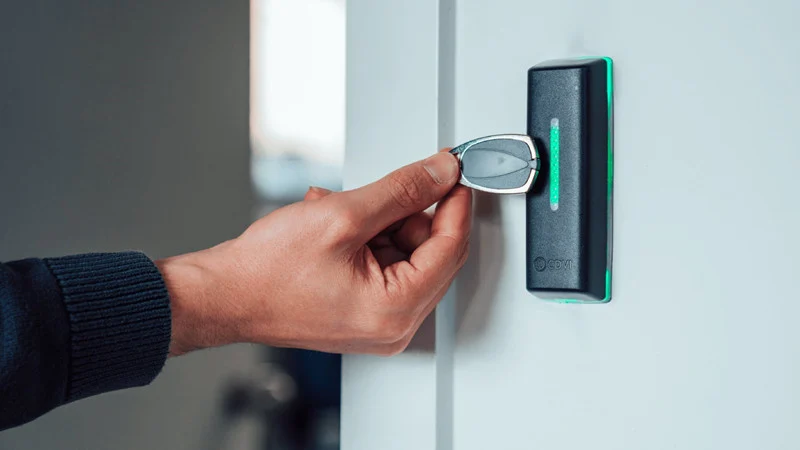
So how does an access control system solve this? Instead of relying on physical keys, it uses digital permissions, electronic keys, or identity verification methods to control access. This means every action can be tracked, every user can be verified, and every access point can be centrally managed. For industries like telecom and electricity, where equipment is spread across cities and remote areas, this is not just useful, it is necessary for safe and efficient operations.
How Access Control Systems Work in Real Situations
Identity Verification Comes First
The most important step in any access control system is verifying who is trying to gain access. This can be done using different methods such as RFID cards, passwords, biometrics, or electronic keys. In industrial environments, electronic keys are often preferred because they are more reliable in outdoor conditions and do not depend on unstable network connections. Imagine a field engineer arriving at a telecom site. Instead of carrying a bunch of keys, they use one authorized device that confirms their identity instantly.
Permission Control Based on Roles
After identity is confirmed, the system checks what that person is allowed to do. This is where access control becomes powerful. Not everyone should have the same level of access. A technician may only open certain cabinets, while a supervisor may access multiple sites. Permissions can also be limited by time, meaning access is only valid during working hours. This reduces the risk of unauthorized operations and ensures that every action follows company policy.
Full Tracking and Audit Records
Every access attempt is recorded, including who accessed the lock, when it happened, and where it took place. This creates a complete audit trail. If something goes wrong, companies can quickly identify what happened and who was responsible. In industries with strict compliance requirements, such as energy or banking, this level of traceability is critical for both safety and accountability.
Types of Access Control Systems You Should Know
Role-Based Access Control
Role-based access control is widely used because it is simple and effective. Instead of assigning permissions individually, access is granted based on job roles. For example, engineers, inspectors, and managers each have predefined access rights. This makes it easier to manage large teams and reduces the chance of human error when assigning permissions.
Attribute-Based Access Control
Attribute-based systems go a step further by considering multiple factors such as location, time, and user behavior. This allows for more flexible and precise control. For example, a technician may only unlock a device if they are physically near the site and within a scheduled time window. This approach is especially useful for companies managing high-value or sensitive infrastructure.
Physical vs Digital Access Control
Physical Access Control in Industry
Physical access control focuses on protecting real-world assets like cabinets, equipment enclosures, and storage units. In telecom and power industries, these assets are often located outdoors and unattended. Without proper control, unauthorized access can lead to service interruptions or safety risks. This is why more companies are replacing traditional padlocks with electronic locking systems that offer better control and visibility.
Digital Access Control for Systems
Digital access control protects software systems, databases, and internal platforms. While it operates differently from physical control, both are often connected. For example, a technician may need permission in both the software system and the physical lock to perform a task. This integration helps companies maintain consistent security across all levels of operation.
Key Technologies Behind Access Control
RFID and Card-Based Systems
RFID cards are commonly used in offices and hotels because they are easy to deploy. However, in industrial environments, they may not be reliable due to harsh conditions or risk of loss. This makes them less suitable for outdoor infrastructure.
Biometric Systems
Biometric systems use fingerprints or facial recognition for access. While they provide strong identity verification, they can be affected by dirt, weather, or lighting conditions. This limits their use in certain field applications.
Passive Electronic Lock Systems
Passive electronic locks are designed specifically for harsh environments. They do not require a power source inside the lock, which makes them highly reliable for outdoor use. Systems like Vanma allow one electronic key to manage multiple locks, while permissions and records are handled through a centralized platform. This combination of durability and control is why they are widely used in telecom, electricity, and transportation sectors.
Where Access Control Systems Are Used
Access control systems are used across many industries, especially where assets are distributed and require strict management. In telecom, they protect base stations and network cabinets. In power systems, they secure substations and distribution boxes. In logistics, they are used for containers and warehouse access. Each of these scenarios involves multiple users, multiple locations, and a high need for accountability. Without a proper system, managing access becomes inefficient and risky.
Why Businesses Are Moving Away from Traditional Locks
Traditional locks may seem simple, but they create serious management challenges at scale. Keys can be duplicated, lost, or misused, and there is no way to track who used them. When a key is lost, the only solution is often to replace the entire lock system, which increases cost and downtime. Access control systems eliminate these issues by providing controlled access, real-time tracking, and flexible permission management. This shift is not just about security, it is about improving operational efficiency and reducing long-term costs.
Why Passive Electronic Locks Fit Harsh Environments
In outdoor industries like telecom and electricity, locks must withstand extreme conditions such as rain, dust, and temperature changes. Passive electronic locks are built for this. They do not rely on internal batteries, which removes the risk of power failure. They also support encrypted communication, such as AES256, ensuring that access data is secure. For companies managing remote infrastructure, this type of system offers a practical and reliable solution.
FAQs About Access Control Systems
What is the main purpose of an access control system
The main purpose is to control who can access specific resources and to ensure that all access activities are recorded. This helps businesses improve security, reduce risks, and maintain accountability across operations.
Is access control only used for doors
No, access control is used for much more than doors. It is widely applied to cabinets, equipment, containers, and even digital systems. In industrial scenarios, it often focuses on protecting critical infrastructure rather than just buildings.
What makes passive electronic locks different
Passive electronic locks do not require internal power and are controlled by electronic keys. This makes them more reliable in outdoor environments compared to traditional electronic locks that rely on batteries or wiring.
Can access control systems reduce operational costs
Yes, they can significantly reduce costs by eliminating the need for key replacement, reducing security incidents, and improving efficiency in managing multiple locations. Over time, this leads to better resource management and lower maintenance expenses.
How do companies manage large numbers of locks
Companies use centralized management software to assign permissions, monitor access records, and control multiple locks with a single system. This makes it possible to manage thousands of access points efficiently without increasing complexity.

