
Top Electronic Lock Solutions for Secure & Smart Access
Locks have been an integral part of human civilization, safeguarding our possessions and ensuring privacy. From rudimentary wooden mechanisms to intricate metal designs, the evolution of locks reflects our continuous pursuit of security. In today's digital age, electronic lock solutions have emerged as a revolutionary step forward, offering enhanced security features and unparalleled convenience.
What Are Electronic Locks?
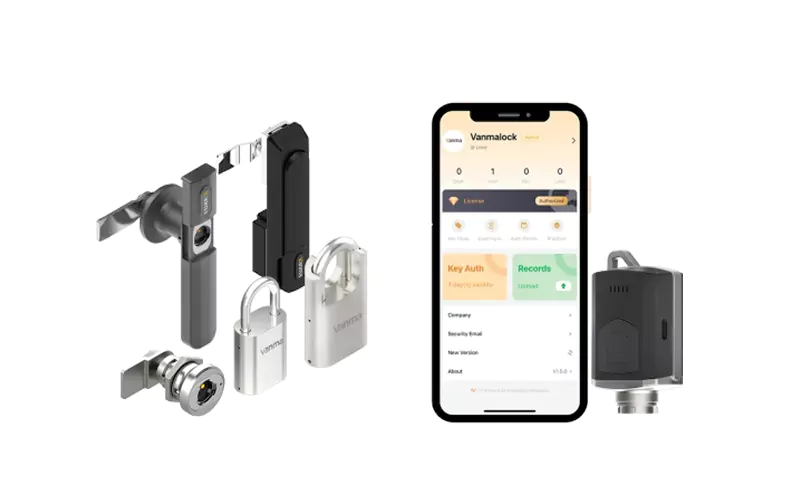
Electronic locks, as the name suggests, utilize electronic mechanisms to secure doors and entry points. Unlike traditional locks that rely on physical keys, electronic locks operate using various methods such as keypads, biometric data, RFID cards, or smartphone applications. This shift not only modernizes security but also introduces a plethora of features that cater to contemporary needs.
Types of Electronic Locks
Keypad Locks
Keypad locks require users to input a specific code to gain access. They're commonly used in both residential and commercial settings due to their simplicity and reliability. Users can easily change codes, eliminating the need to replace locks when security is compromised.
Biometric Locks
Biometric locks utilize unique biological traits, such as fingerprints or facial recognition, to grant access. This ensures that only authorized individuals can enter, significantly reducing the risk of unauthorized access.
RFID and Keycard Locks
These locks operate using radio-frequency identification or magnetic cards. Commonly found in hotels and office buildings, users simply swipe or tap their card to unlock doors, streamlining access control.
Smart Locks
Smart locks integrate with home automation systems, allowing users to control access remotely via smartphones or voice commands. Features often include real-time notifications, temporary access codes, and integration with other smart devices.
Magnetic and Electric Strike Locks
Magnetic locks use electromagnets to secure doors, while electric strike locks replace traditional strike plates and control the latch mechanism electronically. Both are prevalent in commercial settings, offering robust security and integration capabilities.
Advantages of Electronic Locks
Enhanced Security
Electronic locks often come equipped with features like audit trails, which record access times and users, providing an added layer of security. Additionally, many models offer tamper alerts and automatic locking mechanisms.
Convenience and Accessibility
Gone are the days of fumbling for keys. With electronic locks, users can enjoy keyless entry, remote access, and the ability to grant temporary access to guests or service providers.
Integration with Other Systems
Electronic locks can seamlessly integrate with security systems, surveillance cameras, and home automation setups, creating a cohesive and responsive security environment.
Potential Drawbacks
Power Dependency
Most electronic locks rely on batteries or external power sources. In the event of power failures or drained batteries, access can be hindered unless backup solutions are in place.
Technical Glitches
As with any electronic device, there's a risk of software bugs or malfunctions. Regular updates and maintenance are essential to ensure smooth operation.
Cost Considerations
While prices have become more competitive, electronic locks generally require a higher initial investment compared to traditional locks. However, the added features and security often justify the cost.
Applications of Electronic Locks
Residential Use
Homeowners are increasingly adopting electronic locks for their convenience and enhanced security. Features like remote access and integration with smart home systems make them a popular choice.
Commercial and Industrial Use
Businesses benefit from electronic locks by streamlining access control, monitoring employee entry, and integrating with broader security systems.
Hospitality Industry
Hotels and resorts utilize electronic locks to manage guest access efficiently, often integrating with booking systems and offering features like keyless entry via smartphones.
Healthcare Facilities
Hospitals and clinics require stringent access controls to protect sensitive areas and patient information. Electronic locks provide customizable access levels and detailed audit trails.
Choosing the Right Electronic Lock
Assessing Security Needs
Determine the level of security required based on the environment. High-traffic areas or sensitive zones may necessitate advanced features like biometric access or audit trails.
Compatibility and Integration
Ensure the chosen lock is compatible with existing doors and can integrate with other systems, such as security cameras or home automation platforms.
Budget and Cost Analysis
While it's essential to consider the initial investment, also factor in long-term benefits, maintenance costs, and potential savings from enhanced security.
Installation and Maintenance
Professional vs. DIY Installation
While some electronic locks are designed for easy DIY installation, others may require professional setup to ensure optimal functionality and integration.
Regular Maintenance Tips
Replace batteries periodically to prevent lockouts. Update software or firmware as recommended by manufacturers. Clean sensors and keypads to maintain responsiveness.
Future Trends in Electronic Lock Solutions
Advancements in Biometric Technology
Emerging biometric methods, such as vein recognition or iris scanning promise, even higher security levels and faster authentication.
AI and Machine Learning Integration
Future locks may utilize AI to detect unusual access patterns, automatically adjusting security protocols or alerting users to potential threats.
Sustainability and Energy Efficiency
As environmental concerns grow, manufacturers are focusing on energy-efficient designs, utilizing sustainable materials and reducing power consumption.
Conclusion
Electronic lock solutions represent a significant leap forward in security technology, offering a blend of convenience, advanced features, and robust protection. As technology continues to evolve, these locks will undoubtedly become even more integral to our daily lives, safeguarding our homes, businesses, and institutions.
FAQs
What is the lifespan of an electronic lock?
Most electronic locks are designed to last between 5 to 10 years, depending on usage and maintenance. Regular upkeep can extend their lifespan.
Can electronic locks be hacked?
While no system is entirely immune, reputable electronic locks employ advanced encryption and security protocols to minimize hacking risks.
Are electronic locks suitable for all door types?
Many electronic locks are versatile and can be installed on various door types. However, it's essential to check compatibility before purchase.
How do I reset my electronic lock if I forget the code?
Most locks have a reset procedure outlined in the user manual. This often involves a combination of button presses or using a master key.
Do electronic locks work during power outages?
Battery-powered electronic locks continue to function during power outages. It's crucial to monitor battery levels and replace them as needed.
