
The Ultimate Guide to Electronic Keyless Locks
The world of locks has come a long way from traditional keys. In today’s fast-paced, technology-driven world, convenience and security are top priorities. This is where electronic keyless locks shine, offering an advanced, secure, and user-friendly way to control access to homes, offices, and other spaces. These locks are not just a trend—they’re a revolution in security systems.
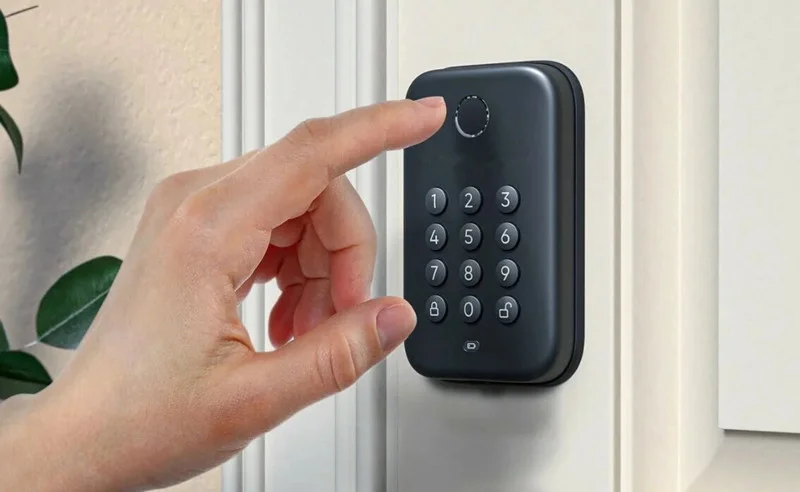
What Are Electronic Keyless Locks?
Electronic keyless locks are locks that allow you to open doors without needing a traditional key. Instead, these locks use methods like PIN codes, fingerprint recognition, RFID cards, or even smartphone apps to grant access. These systems have become a common choice for residential, commercial, and industrial applications due to their ease of use and enhanced security. The components usually include a digital keypad or biometric scanner, an electric motor to control the bolt, and a management system that records access logs.
How Do Electronic Keyless Locks Work?
The basic principle behind an electronic keyless lock is fairly straightforward: the lock receives an authentication input—whether it's a PIN, fingerprint, or a card scan—and compares it to its stored data. If the input matches, the lock's internal motor triggers the bolt, allowing the door to open. Most modern keyless locks are powered by batteries or connected to a central power source, and many are also integrated into smart home systems for remote operation through Wi-Fi or Bluetooth connections.
Types of Electronic Keyless Locks
PIN Code Locks
These locks require the user to input a numeric code to gain access. PIN code locks are popular due to their simplicity and widespread use in both homes and commercial properties. Users can set personalized codes, and some models allow for temporary codes that expire after a set period. The downside is that if someone learns your code, your lock's security is compromised.
Biometric Locks
Biometric locks use your fingerprint or facial recognition to grant access. Since fingerprints and facial features are unique, this type of lock provides an exceptionally high level of security. Biometrics are increasingly used in office buildings and secure areas. However, the technology can sometimes be unreliable if the fingerprint scanner gets dirty or the software doesn’t recognize a face in different lighting conditions.
RFID Card Locks
RFID card locks are popular in hotels and office buildings. Users simply need to tap a pre-programmed card near the lock to gain access. These locks are easy to use and manage, particularly in large facilities where multiple users need access. However, lost or stolen cards can pose a security risk if not quickly deactivated.
Smart Locks (Bluetooth/Wi-Fi enabled)
Smart locks offer the most advanced features in electronic keyless locks. These locks are integrated with your smartphone via Bluetooth or Wi-Fi, allowing you to lock and unlock doors remotely, share digital keys with others, and even receive notifications when someone accesses your home or office. Some smart locks also sync with voice-controlled assistants like Amazon Alexa or Google Home, making them a convenient option for tech-savvy users. However, they are dependent on reliable internet connectivity and battery power.
Advantages of Using Electronic Keyless Locks
Convenience
One of the most significant benefits of keyless locks is convenience. You never have to worry about losing your keys or fumbling with them in the dark. Just enter a code, scan your fingerprint, or use your phone to unlock the door. This ease of access is especially helpful for people with busy lifestyles or those who frequently misplace their keys.
Enhanced Security
Electronic keyless locks provide higher levels of security compared to traditional locks. Features like audit trails allow you to see who accessed the lock and when, which is invaluable for businesses. Biometric locks, in particular, offer unparalleled security, as fingerprints and facial recognition are much harder to fake or steal than a physical key.
Audit Trails and Access Management
Another major advantage is the ability to track access. Many electronic locks record every entry and exit, creating an audit trail that can be reviewed for security purposes. Some systems even allow you to manage who has access to certain areas, setting time-based permissions or temporary access codes.
Disadvantages of Electronic Keyless Locks
Cost
While electronic keyless locks offer numerous benefits, they often come at a higher cost than traditional locks. The initial purchase price can be substantial, especially for advanced smart locks with multiple features. Additionally, there may be installation and maintenance costs to consider.
Vulnerability to Hacking or Malfunctions
As with any electronic device, keyless locks are not immune to technical malfunctions or even hacking attempts. While most modern keyless locks come with encryption to protect against such threats, no system is entirely foolproof. A hacked or malfunctioning lock can potentially lead to a security breach, making it crucial to choose a reputable brand and keep the software updated.
Power Dependency
Electronic locks rely on electricity or batteries to function. This dependence can become a problem if the power goes out or the batteries die. Many locks provide a backup key or a low-battery indicator, but it’s important to stay on top of battery maintenance to avoid being locked out.
Popular Brands of Electronic Keyless Locks
Kwikset
Kwikset offers a wide range of electronic keyless locks that are known for their reliability and ease of use. Their products are particularly popular among homeowners looking for secure, user-friendly solutions.
August Home
August Home is one of the leading names in smart lock technology. Their locks are sleek, modern, and feature advanced integrations with smart home systems. They allow users to control access remotely and offer features like virtual keys for guests.
Yale
Yale has been in the security industry for decades and is known for producing durable and reliable locks. Their electronic keyless locks are highly secure and compatible with a range of smart home systems, making them a versatile choice for both residential and commercial properties.
FAQs
Can electronic keyless locks be hacked?
Yes, electronic keyless locks can be hacked, but the risk is minimal if you choose a reputable brand with strong encryption and regularly update your lock’s software. Modern locks come with advanced security protocols to prevent hacking attempts.
How long do batteries last in an electronic keyless lock?
Battery life varies depending on the lock model and how often it is used, but most batteries last between 6 months to 2 years. Many locks will alert you when the battery is running low, so you have time to replace it.
Can I use a key as a backup?
Some electronic keyless locks come with a traditional key slot as a backup, while others rely entirely on electronic mechanisms. If having a backup key is important to you, make sure to choose a model that offers this feature.
Are keyless locks weatherproof?
Many electronic keyless locks are designed to withstand outdoor conditions like rain, wind, and extreme temperatures. However, it’s important to check the specifications of your lock to ensure it’s suitable for outdoor use in your climate.
Do electronic keyless locks work with smart home systems?
Yes, many electronic keyless locks are compatible with smart home systems such as Amazon Alexa, Google Home, and Apple HomeKit. These integrations allow you to control your locks using voice commands or remotely through apps.
