
The Ultimate Guide to Electronic Door Locks
In today’s world, securing your home or office is more important than ever. While traditional locks have been used for centuries, electronic door locks are now taking center stage with advanced features, ease of use, and enhanced security.
These locks are no longer reserved for high-end homes or businesses but are becoming an integral part of everyday security solutions. This guide covers everything you need to know about electronic door locks, from how they work to their various types, advantages, and installation.
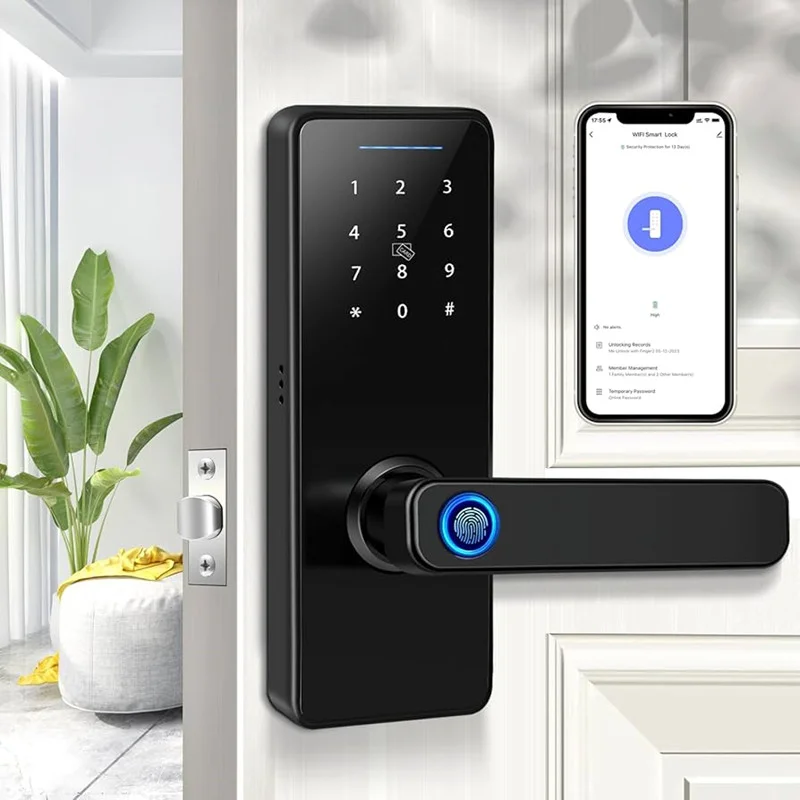
What is an Electronic Door Lock?
An electronic door lock is a sophisticated locking mechanism that operates without a traditional key. Instead of relying on a metal key to turn a cylinder, these locks use an electronic system to either recognize input, such as a code or biometric data,
or communicate with a smart device like a phone. This keyless technology offers numerous benefits, including added convenience, customizable security features, and remote access options.
As a result, electronic door locks are often integrated into modern smart homes and business security systems.
The Evolution of Door Locks
The evolution of door locks reflects the ongoing advancements in security technology. Initially, locks were purely mechanical, relying on pins and tumblers to secure doors. However, as the need for enhanced security grew, so did the complexity of locks.
Electronic door locks are a natural progression from mechanical systems, incorporating technology that allows for more flexible, secure, and convenient access methods. These new-age locks represent a significant leap in security, offering features like biometric scanning,
remote access, and audit trails.
Traditional Mechanical Locks
Traditional mechanical locks have been the foundation of security for centuries. They use a combination of physical components like keys, tumblers, and cylinders to lock and unlock doors.
However, these locks, while reliable, have limitations. Losing a key or duplicating it without the owner's knowledge poses significant security risks.
The need for enhanced control over who can enter or exit a property has led to the adoption of electronic alternatives.
Introduction of Electronic Locks
The shift from mechanical to electronic locks has been a game-changer in the security industry. Electronic locks use keypads, smart cards, or biometric data instead of traditional keys.
This advancement allows for greater flexibility and control over access, with features like temporary codes for guests or employees and remote lock management via mobile apps.
These innovative solutions are not only more secure but also offer users the ability to monitor and log entries and exits.
Types of Electronic Door Locks
There are various types of electronic door locks available, each designed to cater to specific needs. The best type for you will depend on your security requirements, the level of convenience you seek,
and the location where the lock will be installed. Below are some of the most common types of electronic door locks available in the market today.
Keypad Locks
Keypad locks are one of the most popular and easiest forms of electronic locks. They operate by inputting a code on a keypad to unlock the door.
These locks are widely used in residential and commercial settings because they eliminate the need for physical keys. Users can create unique access codes for family members, friends, or employees,
making it a flexible solution for controlled access.
Smart Card Locks
Smart card locks, often seen in hotels and large corporations, operate by swiping or tapping a card against the lock to gain access.
These systems are convenient in environments where access needs to be granted quickly and securely. Smart cards can be easily deactivated if lost,
making them a secure option without the hassle of rekeying or changing locks.
Biometric Locks
Biometric locks offer one of the highest levels of security, relying on unique biological features such as fingerprints or facial recognition to grant access.
Because biometric data cannot be easily replicated, these locks are ideal for high-security environments such as government buildings or corporate offices.
However, they are becoming increasingly common in residential homes as the technology becomes more accessible and affordable.
Bluetooth and Wi-Fi Enabled Locks
Bluetooth and Wi-Fi-enabled locks provide a convenient way to lock and unlock doors using a smartphone. These locks are perfect for tech-savvy homeowners or business owners who want to control their locks remotely.
With Wi-Fi, you can lock or unlock your door from anywhere in the world, while Bluetooth allows for proximity-based unlocking, meaning the door unlocks when you are close by.
Key Features of Electronic Door Locks
Electronic door locks come with a host of features that make them far more convenient than traditional locks. These include keyless entry, customizable access control, and security alerts,
which provide peace of mind by ensuring that you know who is accessing your property at all times. Let's dive deeper into these key features.
Keyless Entry
Keyless entry is perhaps the most significant advantage of electronic door locks. Instead of carrying a key, users can input a code, swipe a card, or use their fingerprint to gain access.
This not only reduces the chances of losing keys but also makes it easier to manage access, especially in situations where multiple people need entry to the same door.
Remote Access
With remote access, you can control your locks from your smartphone or computer, regardless of your location. This feature is particularly useful for homeowners who travel often or for business owners who want to monitor access to their premises.
Remote access also allows you to lock or unlock the door for guests, employees, or contractors without needing to be physically present.
Security Alerts
Some advanced electronic locks provide real-time security alerts that notify you whenever someone attempts to unlock your door.
This feature is especially helpful for monitoring unauthorized access attempts, allowing you to take immediate action to protect your property.
Customizable Access Control
Electronic door locks give you the ability to set different access levels for various users. For instance, you can provide your family with full-time access, while giving guests or employees temporary or restricted access.
This flexibility is invaluable in both residential and commercial settings where access needs to be tailored to individual users.
Advantages of Using Electronic Door Locks
There are several advantages to using electronic door locks. From increased security to added convenience, these locks offer a modern solution to traditional locking systems. Let’s take a closer look at the benefits they bring.
Enhanced Security
Electronic locks are far more secure than traditional mechanical locks, as they offer features such as biometric recognition, audit trails, and encryption.
These features make it much harder for unauthorized individuals to gain access, as traditional lock-picking techniques are rendered useless.
Convenience and Flexibility
One of the key selling points of electronic locks is their convenience. With keyless entry and remote access, managing who enters and exits your property is a breeze.
You no longer have to worry about losing keys or making multiple copies for different users.
Integration with Smart Home Systems
Electronic locks easily integrate with smart home systems like Amazon Alexa, Google Home, and Apple HomeKit. This allows you to control your locks using voice commands, set automated schedules, and even monitor access through apps,
making your home smarter and more secure.
Conclusion
Electronic door locks offer unparalleled convenience, flexibility, and enhanced security compared to traditional mechanical locks. Whether for residential or commercial use, these locks provide a modern solution for managing access,
reducing security risks, and integrating seamlessly into smart home systems. With various types and features available, there’s an electronic lock to suit every need, making them a crucial component in today’s security landscape.
FAQs
Can electronic door locks be hacked?
While electronic door locks provide a higher level of security, like any digital system, they can potentially be hacked. However, choosing a lock with strong encryption and regularly updating the software will significantly reduce the risk of hacking.
Do electronic door locks work during a power outage?
Most electronic locks come equipped with a backup power source, such as batteries, to ensure they remain operational during a power outage. Additionally, many models have a mechanical key option for manual access if needed.
Are electronic door locks difficult to install?
Installation difficulty varies depending on the model. While some electronic door locks are designed for easy DIY installation, others might require professional installation to ensure proper functionality and security.
How long do the batteries last in electronic door locks?
The battery life of electronic door locks can vary based on usage and features, but most batteries last between six months to a year. Many locks offer low-battery alerts, so you’ll have ample time to replace them before they run out.
Can I integrate electronic door locks with my existing smart home system?
Yes, most electronic door locks are compatible with major smart home systems, allowing for seamless integration. You can control the lock via voice commands, set automation schedules, or receive notifications about the lock’s status on your smart devices.
