
The Ultimate Guide to Electronic Front Door Locks: Everything You Need to Know
Home security is evolving, and it is becoming smarter than ever. Imagine never having to fumble with keys again or wondering if you remembered to lock the door on your way out. Electronic front door locks are the ultimate answer for those looking for both convenience and enhanced security. With the rise of smart home technology, these locks are now more popular than ever. But what exactly are electronic front door locks, and how can they improve your day-to-day life? Let’s explore the fascinating world of electronic locks.
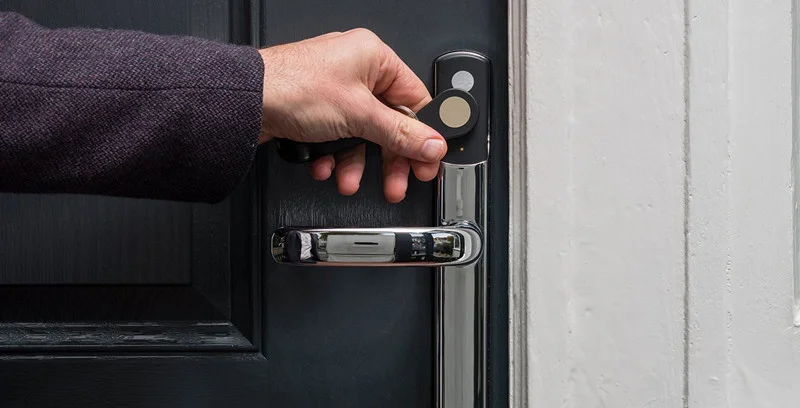
What is an Electronic Front Door Lock?
An electronic front door lock is a modern, technology-driven version of the traditional door lock, which uses digital components to provide greater access control and convenience. Instead of relying on a standard metal key, these locks offer various entry methods such as PIN codes, fingerprint authentication, or even smartphone access.
By removing the need for physical keys, electronic locks make accessing your home much easier. Depending on the model, you can enter your home using a tap on your smartphone, your fingerprint, or a passcode that only you know. Unlike conventional locks, electronic ones offer homeowners a high level of convenience and control, allowing you to manage access, monitor activity, and enhance the safety of your home.
Benefits of Electronic Front Door Locks
Enhanced Security
One of the primary reasons people opt for electronic front door locks is for the extra level of security they provide. Many electronic locks come equipped with state-of-the-art security features like encryption, tamper alerts, and two-factor authentication, all of which make unauthorized access far more difficult compared to traditional locks.
Convenience and Keyless Access
Gone are the days when you need to carry around a key for your home. With keyless entry, you can enter your home with ease, using a code, fingerprint, or your smartphone. This also makes it more convenient to provide temporary access to trusted visitors, such as family members, friends, or even maintenance workers—without the need to hand over a physical key.
Remote Monitoring
Many electronic locks can be connected to the internet, allowing you to monitor your front door remotely. Whether you're at work, running errands, or on vacation, you can easily check whether the door is locked, receive notifications if someone enters, and even lock or unlock your door from anywhere. This feature provides an added sense of security, knowing that you are always in control.
Different Types of Electronic Front Door Locks
Keypad Locks
One of the most common types of electronic locks is the keypad lock. These locks use a numeric keypad where users can enter a unique PIN code to gain entry. This makes them highly convenient for homeowners, as there are no keys to misplace. You can also easily change the code if you think it has been compromised, making it a secure choice for many.
Fingerprint Locks
Fingerprint locks are a popular choice for those looking for biometric security. These locks scan your fingerprint and use it to unlock the door. Since fingerprints are unique to each person, this method provides a high level of security. Fingerprint locks are ideal for households that prioritize quick and secure access without the need for a code or key.
Bluetooth and Wi-Fi-Enabled Locks
For tech enthusiasts and smart home users, Bluetooth and Wi-Fi-enabled locks are the perfect option. These locks allow you to control access via a smartphone app, monitor who enters your home, and receive real-time alerts of any suspicious activity. Bluetooth and Wi-Fi locks often integrate with other smart devices in your home, creating a cohesive and automated environment.
How Do Electronic Front Door Locks Work?
Electronic locks operate using a keyless entry system that might use codes, biometrics, or a smartphone app to verify a user’s identity. When a user is authenticated, a small motor inside the lock disengages, allowing the door to open. Depending on the type, the lock might use Bluetooth, Wi-Fi, or NFC technology to communicate with the user’s device.
Some electronic locks are also part of a larger smart home system, allowing integration with virtual assistants like Amazon Alexa or Google Home. This makes it possible to lock or unlock your door with simple voice commands, providing ultimate convenience and a futuristic experience.
Choosing the Right Electronic Front Door Lock for Your Home
Before purchasing an electronic front door lock, it’s essential to consider a few key factors. The first thing to consider is your home's specific needs. Is the lock compatible with your door type? Will it fit securely? You also need to think about whether you want a lock that connects to Wi-Fi or if a simpler keypad version will meet your needs.
It's also important to consider the power source of the lock. Most electronic locks are battery-operated, so you’ll need to be comfortable with changing batteries when needed. Finally, consider the additional features you want—such as remote monitoring, alarms, or integration with other smart devices.
Installation Process
DIY vs Professional Installation
Installing an electronic front door lock can often be a DIY project for those comfortable with basic tools and following instructions. Many manufacturers design their locks to be user-friendly, making it possible for the average homeowner to handle the installation. However, more complex systems, especially those involving biometric or network features, might require a professional to ensure proper setup and full functionality.
Step-by-Step Guide to Installing an Electronic Lock
1. **Remove the Old Lock**: Begin by unscrewing and removing your existing lock.
2. **Prepare the Door**: Ensure that your door is properly aligned and that the holes for the lock are of the appropriate size.
3. **Install the New Lock**: Carefully follow the manufacturer’s instructions, ensuring that all components are fitted securely and that any wiring is correctly connected.
4. **Test the Lock**: Before calling it a day, make sure the lock is functioning properly, and that you can lock and unlock the door with your chosen access method.
Top Brands for Electronic Front Door Locks
There are several leading brands when it comes to electronic front door locks. Some of the most well-known include:
- **August**: August is popular for its ease of installation and smart home compatibility. They offer sleek designs that fit most standard deadbolts, making it an excellent choice for those upgrading their locks.
- **Schlage**: Schlage provides a range of electronic locks that include keypads and smart features. Their products are known for their durability and high security standards.
- **Yale**: Yale’s electronic locks are highly versatile, with numerous options for integration into smart home systems. Yale’s models are also well-regarded for their solid construction and secure features.
Security Features to Consider
Encryption and Anti-Tamper Technologies
The level of **security** provided by electronic locks depends largely on the technologies they use to protect against unauthorized access. Look for locks with **encryption** that helps prevent hacking attempts. Additionally, many models feature tamper alerts that will notify you if someone is trying to force the lock open.
Alarm Systems and Intrusion Detection
Some locks also come with built-in **alarm systems** that will trigger if someone attempts to tamper with the door. This is an effective way to deter burglars and alert homeowners of suspicious activity. Intrusion detection provides an added layer of security, ensuring that your home remains protected even if someone attempts to bypass the lock.
Pros and Cons of Electronic Front Door Locks
Advantages
The advantages of electronic front door locks are numerous. They provide **keyless convenience**, allowing you to unlock your door without fumbling for keys. Remote access is another major benefit, enabling you to control your lock from anywhere in the world. The enhanced safety features, such as alarms, encryption, and notifications, also make these locks a popular choice for those who take home security seriously.
Disadvantages
While there are many advantages, it’s also important to consider the **downsides**. Electronic locks rely on power—most are battery-operated—so there’s always the chance that your battery could run out unexpectedly. Additionally, some locks are dependent on internet connectivity, which means that if your Wi-Fi goes down, you might lose some functionality, such as remote monitoring.
Maintenance Tips for Electronic Front Door Locks
Like any electronic device, **routine maintenance** is essential to ensure your electronic front door lock works effectively.
- **Battery Replacement**: Always keep an eye on the battery life of your lock. Most locks will alert you when the battery is running low. Make a habit of replacing or recharging batteries every six months to a year, depending on usage.
- **Regular Cleaning**: Dust and grime can affect the sensors or keypads of your lock. Wipe the keypad or fingerprint sensor with a soft cloth periodically to maintain optimal performance.
Common Myths About Electronic Door Locks
Myth 1: Electronic Locks Can Easily Be Hacked
Many people fear that **electronic locks** are easy to hack. However, modern electronic locks are equipped with advanced encryption and robust security protocols that make unauthorized access extremely difficult. While no system is entirely foolproof, the likelihood of a successful hacking attempt is low, especially if you choose a reputable brand with top security features.
Myth 2: They Aren’t Secure If the Power Goes Out
Another common myth is that electronic locks fail during a **power outage**. Most electronic locks are powered by batteries, which means that they continue to function independently of your home’s power supply. Additionally, many models offer backup options, such as a physical key or emergency battery terminals, so you’re never truly locked out.
Are Electronic Front Door Locks Safe?
When compared to traditional deadbolts, electronic front door locks offer equal—if not better—security. In addition to providing solid physical protection, electronic locks come with additional safety features such as **audit trails** that let you track who comes and goes. This is something that’s simply not possible with a traditional key lock, making electronic locks a better choice for those concerned about security.
Integrating Electronic Front Door Locks into a Smart Home System
One of the major advantages of electronic front door locks is their ability to integrate with **smart home ecosystems**. This allows for enhanced automation and control, making your home safer and more convenient. Imagine being able to lock and unlock your door using your voice, or setting up automation rules so that your door automatically locks when you leave the house. These integrations help make your home truly smart and secure.
Conclusion
Electronic front door locks are changing the way we think about home security. Combining convenience, technology, and enhanced safety, they provide a superior living experience. Whether you’re looking to upgrade to a smart home or simply want better security, electronic locks have a lot to offer. Their ease of use, advanced features, and integration capabilities make them an ideal solution for any modern household. As technology continues to evolve, these locks will undoubtedly become an integral part of our homes.
FAQs
Can an electronic lock be hacked?
While it is technically possible for an electronic lock to be hacked, it is highly unlikely. Modern electronic locks feature **encryption and advanced security measures** that make hacking extremely difficult. To further protect your lock, always choose reputable brands and keep your firmware updated to the latest version.
How long do the batteries in an electronic lock last?
Most electronic locks are powered by batteries that typically last between six months to a year, depending on how frequently the lock is used. Many models feature a **low battery indicator**, which will alert you well in advance when it is time to replace the batteries.
What happens if the electronic lock loses power?
If an electronic lock loses power, it is generally equipped with **backup options** to ensure that you are not locked out. This might include using a physical key or having an emergency battery terminal that allows you to power the lock temporarily to gain access. It is always a good idea to familiarize yourself with these backup options.
Are electronic locks worth the investment?
Yes, for many homeowners, **electronic locks are worth the investment**. They offer a combination of convenience, security, and advanced features that traditional locks simply cannot match. If you value enhanced security and enjoy the benefits of smart home technology, electronic locks can be an excellent addition to your home.
Can I use an electronic front door lock on any door?
Most electronic front door locks are designed to fit **standard door types**. However, it is important to check the specifications of the lock to ensure that it will fit properly. Some older or non-standard doors may require slight modifications to accommodate an electronic lock.
