
Ball Valve Locking Handle
Ball valves are crucial components in fluid systems that control the flow of liquids and gases. Adding a locking handle to a ball valve not only improves the safety of operations but also prevents unauthorized access to the system. In this article, we will explore the role, types, and benefits of ball valve locking handles, as well as discuss installation, maintenance, and more.
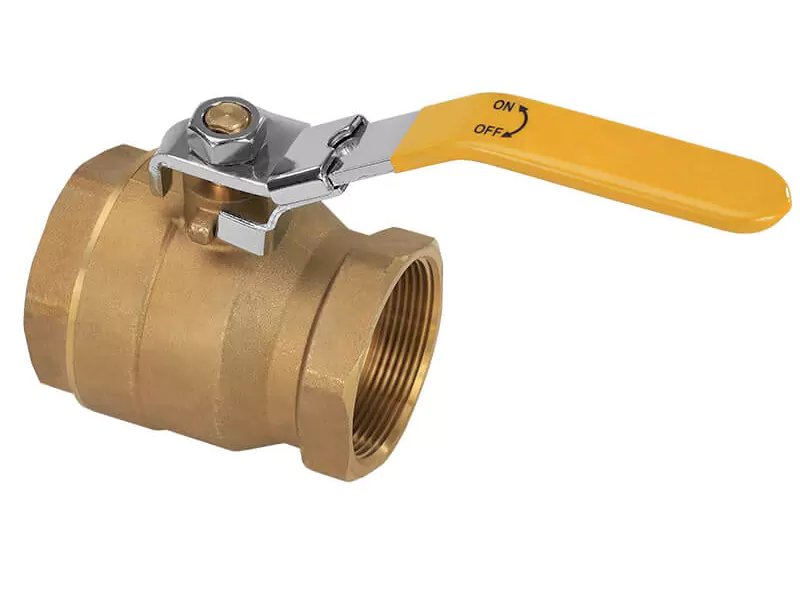
What Is a Ball Valve?
Overview of Ball Valves
A ball valve is a mechanical device used to regulate the flow of a fluid by using a spherical ball with a hole through its center. When the valve handle is turned, the ball rotates. When the hole aligns with the fluid passage, the valve is open, allowing flow; when it rotates 90 degrees, the valve closes, stopping the flow. This makes ball valves highly effective for quick shutoff operations, making them ideal for various industrial and residential applications.
Common Uses of Ball Valves
Ball valves are used across numerous industries. In residential applications, they are commonly found in plumbing systems to control water flow. In industrial settings, they are used for managing the flow of gases, oils, and chemicals, particularly in systems where the ability to quickly start or stop flow is critical. Industries like oil and gas, chemical processing, and water treatment heavily rely on ball valves due to their durability and high level of performance.
The Purpose of Locking Handles
Enhancing Safety
Locking handles are essential for preventing accidental valve operations, especially in hazardous environments where an unintentional valve movement could cause catastrophic damage. By securing the handle in place, a locking mechanism ensures that only authorized personnel can operate the valve, thereby improving workplace safety and minimizing risks.
Preventing Unauthorized Access
In industrial settings, security is paramount. Unauthorized access to control valves can lead to serious operational disruptions or even safety hazards. By incorporating a locking handle, you can prevent tampering and restrict valve operation to those with the proper clearance. This feature is especially important in environments where sensitive fluids or gases are being controlled.
Types of Locking Handles for Ball Valves
Manual Locking Handles
Manual locking handles are straightforward and easy to use. They often feature a slot for a padlock, enabling a simple and effective way to secure the valve. These handles are ideal for applications where security is required but not at an automated or remote level, making them a cost-effective choice for many businesses.
Automated Locking Mechanisms
For operations that require frequent access control, automated locking mechanisms provide a higher level of convenience and security. These systems are often electronically controlled and can be integrated into broader safety protocols, enabling remote locking and unlocking of valves. Automated systems are typically found in large-scale industrial settings, where manual control may not be practical or efficient.
How Locking Handles Work
Key-Based Locking Handles
Key-based locking handles require a specific key to unlock the valve, providing a high level of security. These handles are often used in high-security environments where access control is critical, such as chemical plants, oil refineries, and high-risk industrial sites.
Padlock-Compatible Locking Handles
Padlock-compatible handles allow the use of a standard padlock to secure the valve. This method is both simple and effective, making it suitable for a wide range of applications. It is particularly popular in environments where simplicity and cost-effectiveness are key considerations, such as warehouses and smaller industrial facilities.
Benefits of Using a Locking Handle on Ball Valves
Safety and Security
The primary benefit of adding a locking handle to a ball valve is the increased safety and security it provides. In industries where valve mismanagement can lead to hazardous conditions, a locking handle is an essential tool for ensuring that only authorized individuals can operate the valve. This feature significantly reduces the risk of accidents, tampering, or system malfunctions.
Operational Efficiency
Locking handles improve operational efficiency by limiting valve access to authorized personnel only. This control helps prevent unauthorized or accidental operations that can lead to downtime, leaks, or system damage. In turn, operational efficiency increases as maintenance and troubleshooting efforts are minimized.
Preventing Accidental Operations
In busy work environments, accidental valve operations can happen, often leading to unwanted disruptions or hazardous conditions. Locking handles eliminate this risk by ensuring that a valve cannot be opened or closed without proper authorization, reducing the chances of operational errors.
Applications of Ball Valves with Locking Handles
Industrial Uses
Locking handles are frequently used in industrial environments where controlling the flow of dangerous or valuable materials is critical. Industries such as oil and gas, chemical processing, and power generation rely heavily on ball valves equipped with locking handles to ensure safe and efficient operation.
Residential and Commercial Applications
While more common in industrial settings, locking handles are also used in residential and commercial environments. In plumbing systems, they can prevent unauthorized adjustments to water flow, and in commercial buildings, they help maintain security in areas where fluid control is necessary, such as HVAC systems or water supply lines.
Materials and Durability
Stainless Steel Handles
Stainless steel is the preferred material for locking handles in high-performance applications due to its excellent resistance to corrosion, heat, and chemicals. This makes it ideal for use in harsh environments like chemical plants or marine industries, where long-term durability is essential.
Plastic and Aluminum Handles
For less demanding applications, plastic or aluminum locking handles offer a cost-effective alternative. While not as robust as stainless steel, these materials still provide adequate strength and security for many residential and light commercial uses, making them a versatile choice for different needs.
How to Install a Locking Handle on a Ball Valve
Step-by-Step Installation Process
1. Ensure the ball valve is in the closed position before starting the installation.
2. Choose a locking handle that matches the size and specifications of your ball valve.
3. Attach the handle to the valve stem, securing it with screws or fasteners.
4. Test the locking mechanism to ensure it operates smoothly before putting the valve back into service.
Best Practices for Installation
Always follow the manufacturer’s installation instructions to ensure proper operation of the locking handle. Regular testing after installation is also recommended to ensure the locking mechanism remains functional and secure over time.
Maintenance and Longevity
Regular Maintenance Tips
To maintain the performance of your ball valve locking handle, regularly inspect it for signs of wear or damage. Lubricate any moving parts, and make sure the locking mechanism operates smoothly. Cleaning the handle and surrounding area helps prevent debris buildup, which could affect performance.
Signs of Wear and Tear
Over time, locking handles may show signs of wear, such as difficulty in turning or locking the valve. These are signs that maintenance is required, and in some cases, parts may need to be replaced to ensure continued security and functionality.
Locking Handles and Compliance with Safety Standards
Industry-Specific Regulations
Many industries have specific regulations regarding the use of locking handles on ball valves, particularly in environments where hazardous materials are involved. It is important to ensure that the locking handles you use meet all relevant safety standards to ensure compliance and minimize risk.
Compliance in High-Risk Environments
In high-risk environments, such as chemical plants or oil refineries, compliance with safety standards is non-negotiable. Locking handles designed for these environments must meet stringent requirements to prevent accidental or unauthorized valve operations, which could lead to serious safety incidents.
Challenges When Using Locking Handles
Potential Compatibility Issues
Not all ball valves are compatible with every type of locking handle. Before purchasing, it is important to ensure that the locking handle you select matches the size, type, and material of the ball valve in use. Failing to do so could result in operational problems or even safety risks.
Maintenance Requirements
Although locking handles are generally low-maintenance, they still require occasional upkeep. Regular inspections can identify potential issues before they become problems, and keeping the locking mechanism in good working order ensures continued protection against unauthorized access or accidental operations.
How to Choose the Right Locking Handle for Your Ball Valve
Assessing Your Requirements
Choosing the right locking handle for your ball valve depends on your specific needs. Consider factors such as the level of security required, the environment the valve is in, and whether you need manual or automated control. Matching the locking handle to your operational needs will ensure long-term efficiency and safety.
Compatibility with Ball Valve Size and Type
Before selecting a locking handle, ensure that it is compatible with your ball valve in terms of size, material, and operational requirements. Different valves require different locking mechanisms, so it’s important to get the right match for optimal performance and security.
Popular Brands Offering Ball Valve Locking Handles
Leading Industry Players
Some of the top brands that offer ball valve locking handles include Honeywell, Apollo, and Dwyer. These brands are known for their quality, reliability, and adherence to industry standards, making them trusted names in the field of fluid control solutions.
What to Look for in a Reliable Brand
When choosing a locking handle for your ball valve, look for brands that prioritize durability, safety, and ease of installation. Brands that comply with industry safety standards and offer warranties on their products are often the best choices for long-term use.
Conclusion
In conclusion, a ball valve locking handle is an essential tool for ensuring safety, preventing unauthorized access, and enhancing the operational efficiency of fluid control systems. Whether you are working in a high-risk industrial environment or managing a residential plumbing system, selecting the right locking handle will provide the security and peace of mind you need. By understanding the various types, benefits, and applications of locking handles, you can make an informed decision that meets your specific requirements.
FAQs
What is the difference between a locking and non-locking ball valve?
A locking ball valve is equipped with a mechanism that prevents unauthorized or accidental operation, ensuring that the valve can only be opened or closed by authorized personnel. In contrast, a non-locking ball valve can be operated by anyone with access to the valve.
Can I add a locking handle to any ball valve?
No, not all ball valves are compatible with locking handles. It is essential to check the specifications of both the valve and the locking handle to ensure they are a good match in terms of size, material, and operational requirements.
How do I ensure my ball valve is compliant with safety standards?
To ensure compliance with safety standards, select locking handles that meet the industry-specific regulations applicable to your field. Always review safety certifications and ensure that your valve is installed and maintained according to best practices.
Are ball valve locking handles weatherproof?
Many ball valve locking handles, especially those made from stainless steel, are weatherproof and suitable for outdoor use. However, it is essential to verify the material and specifications of the handle to ensure it can withstand the environmental conditions of your application.
What materials are best for ball valve locking handles?
The best material for a ball valve locking handle depends on the environment in which it will be used. Stainless steel is ideal for corrosive or harsh environments, while plastic or aluminum may be suitable for lighter-duty applications.
