
Electronic Door Lock for Home
Introduction
Home security has always been a top priority for homeowners. With the advancement of technology, the methods of securing our homes have evolved significantly. One such innovation is the electronic door lock. This article delves into the world of electronic door locks, exploring their benefits, types, and how they work to enhance your home security. From the rise of smart home technology to the specific features that make electronic locks a great choice, we'll cover everything you need to know to make an informed decision.
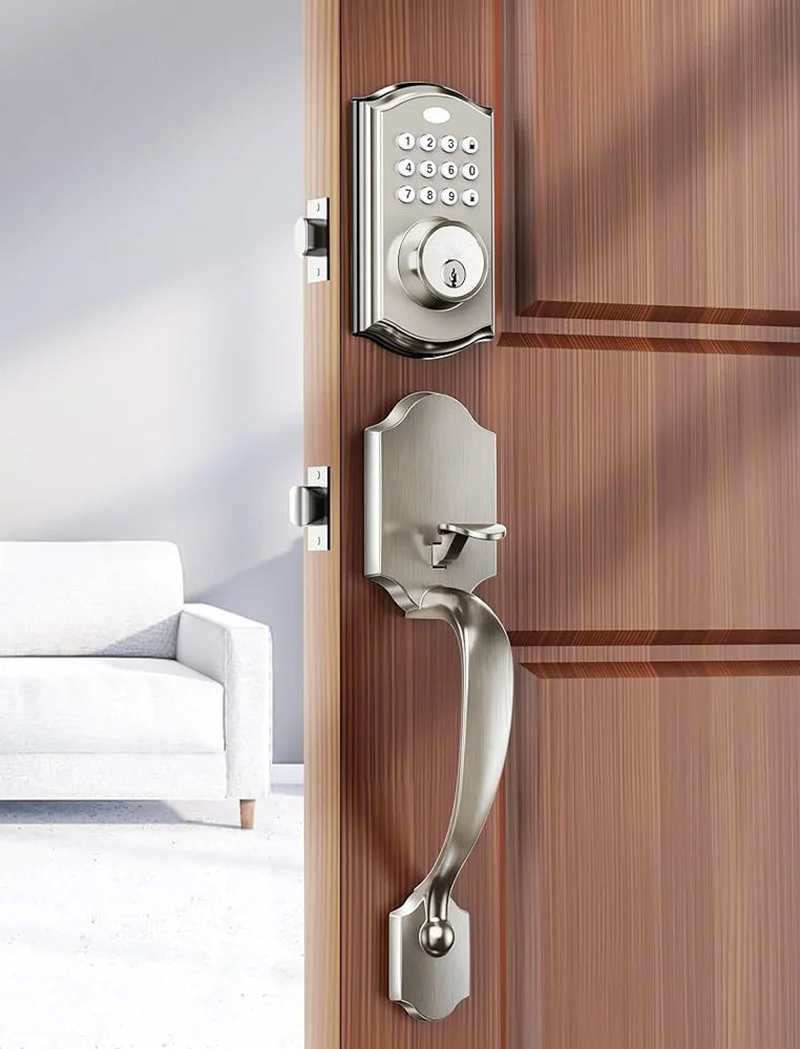
What is an Electronic Door Lock?
Definition and Basic Functionality
An electronic door lock is a locking device that operates by means of electric current. They are a key component of smart home systems, offering various modes of access control beyond traditional keys. Unlike conventional locks, electronic door locks use digital keys, such as keypads, biometric scanners, or even smartphone apps, to grant or deny access.
Types of Electronic Door Locks
Electronic door locks come in various types, each offering unique features and benefits. These include keypad locks, biometric locks, card key locks, and remote access locks. Understanding the differences between these types can help you choose the right lock for your home.
Benefits of Electronic Door Locks for Homes
Enhanced Security
Electronic door locks offer superior security features compared to traditional locks. They are designed to be tamper-proof and often come with alarm systems that trigger if unauthorized access is attempted. Many models also include encryption to protect against hacking attempts.
Convenience and Ease of Use
No more fumbling for keys! Electronic locks provide various methods of entry, making it convenient for homeowners. You can use a keypad, fingerprint, or even your smartphone to unlock the door. This ease of use is especially beneficial for families with children or elderly members.
Integration with Smart Home Systems
These locks can be integrated with other smart home devices, allowing you to control your entire home security system from a single app. This includes monitoring who enters and exits your home and setting up automated routines. Integration with smart home systems can enhance your overall home automation experience.
Types of Electronic Door Locks
Keypad Locks
These locks require a code to unlock. They are easy to use and eliminate the need for physical keys. Keypad locks are particularly popular for their simplicity and reliability.
Biometric Locks
Biometric locks use fingerprint recognition technology. They offer high security as fingerprints are unique to each individual. These locks are ideal for those who want an extra layer of security and convenience.
Card Key Locks
These locks use a card that you swipe to unlock. They are commonly used in hotels and office buildings but are becoming popular in homes as well. Card key locks are easy to manage and provide a secure access control method.
Remote Access Locks
Remote access locks can be controlled via an app on your smartphone. This allows you to lock or unlock your door from anywhere, providing added convenience and security. Remote access is perfect for those who frequently travel or need to let in guests when they are not home.
How Electronic Door Locks Work
Keypad Operation
You enter a preset code on the keypad to unlock the door. Some models allow you to set multiple codes for different users. This feature is useful for granting temporary access to guests or service providers.
Biometric Recognition
Place your finger on the sensor, and the lock scans your fingerprint to verify your identity before unlocking the door. Biometric recognition is fast and highly secure, making it a popular choice for high-security applications.
Remote Access Mechanisms
Using a smartphone app, you can lock or unlock your door remotely. Some systems also offer integration with voice assistants like Alexa or Google Assistant. Remote access mechanisms provide flexibility and peace of mind.
Key Features to Look For
Security Features
Look for locks with features like tamper alarms, auto-locking, and advanced encryption. These features enhance the security of your home and protect against unauthorized access.
User-Friendly Design
Ensure the lock is easy to operate for all family members, including children and the elderly. User-friendly design features can include intuitive interfaces, clear instructions, and ergonomic keypads.
Battery Life and Backup Options
Check the battery life and whether the lock has backup options like a physical key or an emergency power source. Reliable battery life and backup options ensure that you won't be locked out in case of power failure.
Connectivity and Integration
Ensure the lock can connect to your existing smart home system and that it supports features like remote access and monitoring. Connectivity options may include Wi-Fi, Bluetooth, or Z-Wave.
Popular Brands and Models
August Smart Lock
Known for its easy installation and compatibility with smart home systems. The August Smart Lock offers features like auto-locking, voice control, and remote access.
Schlage Encode
Offers built-in Wi-Fi, eliminating the need for additional hubs. Schlage Encode provides robust security features and seamless integration with smart home platforms.
Yale Assure Lock
Features multiple unlocking options, including keypad, voice assistant, and biometric access. Yale Assure Lock is known for its reliability and comprehensive feature set.
Installation Process
DIY vs Professional Installation
While many electronic locks are designed for easy DIY installation, you might prefer professional installation for complex systems. Professional installation ensures that the lock is installed correctly and functions optimally.
Step-by-Step Installation Guide
1. Remove the existing lock.
2. Install the new electronic lock according to the manufacturer’s instructions.
3. Connect the lock to your smart home system if applicable.
4. Test the lock to ensure it operates correctly.
Following these steps can help you successfully install your electronic door lock without issues.
Maintenance and Troubleshooting
Regular Maintenance Tips
Regularly check the batteries and replace them as needed. Clean the lock and keypad to ensure optimal performance. Performing regular maintenance can extend the life of your lock and ensure it continues to function smoothly.
Common Issues and Fixes
If the lock doesn’t respond, check the batteries and connections. For connectivity issues, ensure your Wi-Fi or Bluetooth is working properly. Addressing common issues promptly can prevent more significant problems down the line.
Security Considerations
Protecting Against Hacking
Use strong, unique passwords and enable two-factor authentication if available. Regularly update the lock’s firmware to protect against security vulnerabilities. Taking these steps can help safeguard your electronic door lock from potential threats.
Importance of Regular Software Updates
Keeping your lock’s software updated ensures you have the latest security features and bug fixes. Regular updates can enhance the performance and security of your electronic door lock.
Comparing Electronic and Traditional Locks
Pros and Cons of Each
Electronic Locks: Offer advanced security and convenience but can be vulnerable to hacking.
Traditional Locks: Simple and reliable but lack the advanced features of electronic locks.
Weighing the pros and cons of each type can help you determine which lock best suits your needs.
Which is Right for You?
Consider your security needs, budget, and the level of convenience you desire. Electronic locks offer more features, but traditional locks can be more straightforward and cost-effective. Evaluating your specific requirements can guide you in choosing the right lock.
Cost Analysis
Initial Costs
Electronic locks tend to be more expensive upfront compared to traditional locks. However, the initial investment can be justified by the added security and convenience they provide.
Long-Term Savings
They can save you money in the long run by reducing the need for locksmith services and enhancing home security, potentially lowering insurance premiums. Long-term savings can make electronic locks a worthwhile investment.
User Experiences and Reviews
Real-Life Testimonials
Users often praise electronic locks for their convenience and the peace of mind they provide. Positive testimonials can provide valuable insights into the benefits and reliability of electronic door locks.
Customer Satisfaction Ratings
High customer satisfaction ratings are common, especially for brands like August, Schlage, and Yale. Reviewing customer ratings can help you identify the most reliable and popular electronic door locks on the market.
Future Trends in Electronic Door Locks
Emerging Technologies
Expect advancements in biometric technology, AI integration, and enhanced connectivity features. Emerging technologies will continue to shape the future of electronic door locks, offering new capabilities and improved performance.
Predictions for the Next Decade
Electronic locks will become more sophisticated, affordable, and widespread, becoming a standard feature in smart homes. Predictions indicate that the adoption of electronic door locks will continue to grow, driven by advancements in technology and increasing consumer demand for smart home solutions.
Conclusion
Electronic door locks offer a modern, secure, and convenient way to protect your home. With various types and features available, there’s an option for every need and budget. As technology advances, these locks will only become more integrated into our daily lives, making home security simpler and more effective. Investing in an electronic door lock can enhance your home’s security and provide peace of mind.
FAQs
Are electronic door locks safe?
Yes, electronic door locks are generally very safe, offering advanced security features and encryption. They are designed to provide a higher level of security compared to traditional locks, protecting your home against unauthorized access.
Can electronic door locks be hacked?
While any electronic device can be vulnerable, using strong passwords and regular updates significantly reduces the risk. Implementing security best practices can help protect your electronic door lock from potential hacking attempts.
How long do the batteries last in electronic door locks?
Battery life varies but typically lasts between six months to a year, depending on usage and the model. Regularly checking and replacing the batteries can ensure your lock continues to function properly.
What happens if the electronic lock fails?
Most electronic locks have backup options like physical keys or external battery connections to ensure you can still gain access. Having backup options in place can prevent lockouts and provide additional security.
Do electronic door locks require a Wi-Fi connection?
Not all electronic locks require Wi-Fi; some use Bluetooth or standalone keypads. However, Wi-Fi-enabled locks offer remote access and integration with smart home systems. Choosing the right type of lock depends on your specific needs and preferences.
