
Bank Locker Security
Introduction
In today's world, safeguarding our valuables is more crucial than ever. Bank lockers offer a reliable solution for storing precious items securely. However, the security of these lockers is a paramount concern for both banks and customers. This article delves into the intricate world of bank locker security, exploring various aspects that ensure the safety of your valuables.
Understanding Bank Lockers
Definition and Purpose
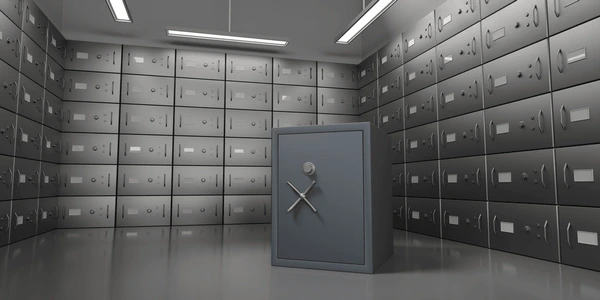
Bank lockers are secure storage spaces provided by banks to their customers for safekeeping valuable items such as jewelry, important documents, and other precious belongings. These lockers offer a high level of security that surpasses what is typically available in personal residences. Customers rely on these secure spaces to store items that are either of high monetary value or sentimental importance, trusting the bank's infrastructure to provide a safer environment than their own homes.
Historical Background
The concept of bank lockers dates back to ancient times when individuals stored their valuables in temples and secure locations guarded by trusted authorities. Over time, this evolved into the modern bank locker system, incorporating advanced security features. Historically, these systems were managed by trusted figures in society, and over the centuries, they have transformed into highly sophisticated vaults managed by financial institutions, leveraging technology to enhance security measures.
Why Bank Locker Security is Crucial
Protection of Valuables
Bank lockers provide a fortified environment to protect valuables from theft, fire, and other unforeseen events. This protection is especially critical for irreplaceable items and documents. Whether it’s heirloom jewelry, property deeds, or confidential documents, the assurance that these items are secure within a bank’s vault offers invaluable peace of mind.
Peace of Mind
Knowing that your valuables are stored securely in a bank locker offers peace of mind. This mental assurance allows individuals to focus on other aspects of their lives without constantly worrying about the safety of their precious belongings. The psychological benefit of this security cannot be overstated, as it allows for greater personal and financial freedom, knowing that one’s most important items are safe.
Types of Bank Lockers
Traditional Lockers
Traditional bank lockers use physical keys for access. These have been the standard for many years and are still widely used due to their simplicity and reliability. While not as technologically advanced as newer systems, traditional lockers offer a robust level of security through mechanical means that have stood the test of time.
Digital Lockers
Digital lockers utilize electronic access systems, such as keypads or cards, providing an additional layer of security through passcodes and other digital verification methods. These lockers offer enhanced convenience and security features, such as the ability to track access and generate alerts for unauthorized attempts.
Smart Lockers
Smart lockers incorporate cutting-edge technology like biometrics and remote monitoring, offering the highest level of security currently available. These lockers are designed to be tamper-proof and provide real-time alerts to both the bank and the customer in case of unauthorized access attempts. The integration of smart technology ensures that security measures are continually updated and improved.
Security Features in Bank Lockers
Biometric Access
Biometric systems use unique physical characteristics, such as fingerprints or iris scans, to grant access to the locker. This technology ensures that only authorized individuals can open the locker. Biometric access is highly secure as it leverages unique individual traits that are extremely difficult to replicate or forge.
Dual Key System
The dual key system requires two keys to open a locker—one held by the bank and the other by the customer. This system adds an extra layer of security, ensuring that unauthorized access is nearly impossible. The dual key mechanism necessitates the presence of both parties, thereby significantly reducing the risk of unauthorized entry.
Time-Lock Mechanisms
Time-lock mechanisms restrict access to the lockers during certain hours, reducing the risk of unauthorized entry outside of regular banking hours. These systems ensure that lockers can only be accessed during predefined times, which adds an additional layer of security and control over access.
Alarm Systems
Advanced alarm systems are installed to detect unauthorized access attempts. These alarms alert both bank security and local authorities, ensuring a swift response to potential breaches. Alarms provide an immediate deterrent to potential intruders and facilitate rapid intervention by security personnel.
Surveillance Cameras
High-definition surveillance cameras monitor the locker area 24/7, deterring potential thieves and providing crucial evidence in case of security incidents. The presence of surveillance cameras acts as both a deterrent and a means of capturing real-time evidence, crucial for investigating any security breaches.
Technological Advances in Bank Locker Security
Integration of AI and Machine Learning
AI and machine learning technologies enhance security by analyzing patterns and detecting unusual activities. These systems can predict potential threats and prevent security breaches before they occur. By leveraging vast amounts of data, AI systems can identify anomalies and trigger preventative measures, offering a proactive approach to security.
Blockchain Technology
Blockchain technology offers a decentralized and tamper-proof method for recording transactions and access logs, ensuring that all locker activities are securely documented. The immutable nature of blockchain records ensures transparency and security, making it nearly impossible to alter access logs without detection.
Remote Monitoring
Remote monitoring allows customers to keep an eye on their lockers through mobile apps, receiving instant notifications about any access attempts or security alerts. This feature provides real-time oversight and the convenience of being able to monitor locker security from anywhere in the world.
Challenges in Bank Locker Security
Physical Breaches
Despite advanced security measures, physical breaches remain a threat. Sophisticated tools and techniques can sometimes bypass traditional security systems. It is essential for banks to continually upgrade their physical security measures to stay ahead of potential threats.
Digital Threats
As bank lockers incorporate more digital technology, they become susceptible to hacking and other cyber threats. Ensuring robust cybersecurity measures is essential. Regularly updating software, employing encryption, and conducting security audits are vital steps in mitigating digital risks.
Insider Threats
Insider threats, where bank employees misuse their access privileges, pose a significant risk. Vigilant monitoring and strict protocols are necessary to mitigate this danger. Implementing checks and balances, and ensuring accountability can significantly reduce the risk of insider breaches.
How Banks Mitigate Security Risks
Rigorous Access Protocols
Banks implement stringent access protocols, ensuring that only authorized personnel and customers can access the lockers. This includes thorough identity verification processes. Access control systems, background checks, and multi-factor authentication are commonly used to secure access points.
Regular Security Audits
Regular security audits help identify potential vulnerabilities and ensure that all security measures are up to date and effective. These audits involve reviewing both physical and digital security systems, testing for weaknesses, and implementing improvements.
Employee Training Programs
Comprehensive training programs for bank employees ensure that they are aware of the latest security protocols and can effectively handle any security incidents. Continuous education and training help employees stay informed about new security threats and best practices for mitigating them.
Customer Responsibilities for Locker Security
Safe Locker Usage Practices
Customers should follow best practices, such as not sharing their locker access details with others and regularly changing digital access codes. Adhering to these practices helps maintain the security integrity of the locker.
Regularly Updating Access Details
Keeping access details, such as biometric data and passcodes, up to date ensures that the security measures remain effective. Regular updates help prevent unauthorized access and ensure that only the rightful owner can access the locker.
Reporting Suspicious Activities
Customers should immediately report any suspicious activities or potential security breaches to the bank, allowing for prompt action. Early reporting helps the bank take swift measures to address and mitigate any security threats.
Case Studies of Bank Locker Breaches
Notable Incidents
Several high-profile bank locker breaches have occurred over the years, highlighting the importance of robust security measures. These incidents provide valuable lessons on improving security protocols. By examining past breaches, banks can understand common vulnerabilities and enhance their security strategies.
Lessons Learned
Analyzing past breaches helps banks identify weaknesses in their security systems and develop better strategies to prevent future incidents. Implementing lessons learned from these breaches ensures that similar incidents are less likely to occur in the future.
Future of Bank Locker Security
Emerging Technologies
New technologies, such as quantum encryption and advanced biometrics, promise to enhance bank locker security further, making them nearly impenetrable. Continuous innovation in security technology will lead to more sophisticated and reliable systems.
Predictive Security Measures
Predictive security measures use data analytics and AI to foresee potential threats and take proactive steps to mitigate them. By anticipating threats before they occur, banks can implement preemptive measures to enhance security.
How to Choose a Secure Bank Locker
Evaluating Bank Security Measures
Customers should evaluate the security measures in place at a bank before opting for a locker. This includes looking into the technologies used and the bank's track record in handling security. Thorough research and evaluation ensure that customers choose a bank that prioritizes security.
Comparing Locker Types
Understanding the differences between traditional, digital, and smart lockers helps customers choose the best option for their needs. Each type of locker offers different levels of security and convenience, and customers should select one that aligns with their requirements.
Reading Customer Reviews
Customer reviews provide insights into the actual security and service quality of the bank, helping in making an informed decision. Reviews can reveal potential issues or highlight strengths, guiding customers to make the best choice.
Insurance for Bank Lockers
Importance of Insuring Valuables
Even with the best security measures, insuring valuables stored in bank lockers is crucial to safeguard against unforeseen events. Insurance provides a financial safety net, ensuring that customers can recover the value of their items in case of loss or damage.
Types of Insurance Available
Various insurance options are available to cover the contents of bank lockers, providing financial protection in case of theft, damage, or loss. Customers should explore different insurance policies to find one that offers comprehensive coverage for their valuables.
Legal Aspects of Bank Lockers
Regulations Governing Bank Lockers
Understanding the legal framework surrounding bank lockers helps customers know their rights and the obligations of the banks. Regulations ensure that both banks and customers adhere to standardized security practices and protocols.
Customer Rights and Bank Liabilities
Customers should be aware of their rights regarding access, security, and compensation in case of security breaches, as well as the liabilities of the banks. Knowing these legal aspects ensures that customers can take appropriate actions if necessary.
Conclusion
Bank locker security is a complex but vital aspect of safeguarding valuable items. With advancements in technology and stringent security protocols, banks are continually enhancing their security measures. However, customers also play a crucial role in ensuring the safety of their belongings. By staying informed and vigilant, we can collectively ensure the security of bank lockers.
FAQs
How secure are bank lockers?
Bank lockers are designed with multiple security layers, including biometric access, dual key systems, and surveillance cameras, making them highly secure. These measures collectively provide a robust defense against unauthorized access and ensure the safety of the contents.
Can bank employees access my locker?
Bank employees do not have access to customer lockers unless accompanied by the customer, as per the dual key system protocol. This system ensures that both the customer and bank official need to be present to open the locker, minimizing the risk of unauthorized access.
What should I do if I lose my locker keys?
Immediately inform the bank. They will follow a secure protocol to access the locker and replace the keys. The process involves verifying the customer's identity and ensuring that the locker contents remain secure during the key replacement.
Are the contents of my locker insured by the bank?
Banks do not typically insure the contents of lockers. It is advisable to take out a separate insurance policy for valuables stored in bank lockers. This additional insurance provides coverage for loss or damage, offering peace of mind to customers.
How can I ensure the security of my bank locker?
Regularly update access details, use the locker responsibly, and promptly report any suspicious activities to the bank. By following these practices, customers can contribute to maintaining the security and integrity of their bank lockers.

Loved the detailed breakdown of bank locker security layers. The insights on biometrics, dual‑key systems, and surveillance truly elevate trust and peace of mind. Great work!