
Display cabinet locks serve a vital role in safeguarding valuables while keeping them visible for display. Whether you're in retail, managing a museum, or showcasing your personal collection, having the right lock for your display cabinets ensures that your items are not only protected from theft but are also securely showcased for viewing. In this guide, we will explore the types of display cabinet locks available, their installation, maintenance, and best practices for different settings.
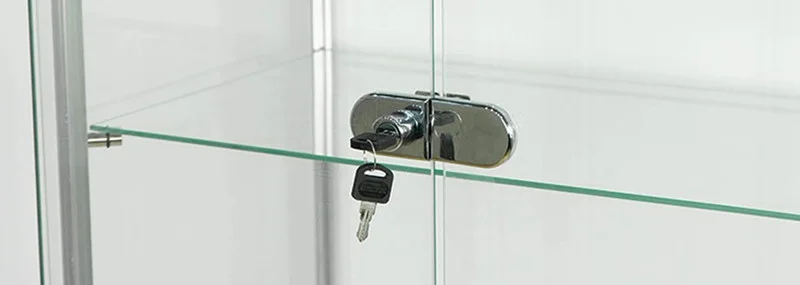
Display cabinet locks are essential for preventing unauthorized access to valuable items while maintaining a visually appealing presentation. In retail, they protect merchandise from theft, while in museums and galleries, they ensure the preservation of priceless artifacts. For personal collectors, cabinet locks provide peace of mind that valuable heirlooms or collectibles remain secure. Without proper locks, displayed items are at risk of being mishandled, damaged, or stolen, and the presence of locks can serve as a powerful deterrent against would-be thieves.
There are several types of display cabinet locks available, each suited for different needs and security levels. Below are the most common types:
Keyed locks are the traditional choice for many display cabinets. These locks require a physical key for access, offering a simple but effective solution for securing valuables. There are two main types:
Single-Key Systems: These systems use one key to lock and unlock one cabinet, providing individual security for each display. This option is ideal for small setups or cases where each cabinet needs independent access control.
Multi-Key Systems: Multi-key systems allow a single key to unlock multiple cabinets. This is a convenient choice for those managing several displays, such as in retail stores, as it simplifies key management.
Electronic locks have gained popularity due to their advanced features and ease of use. These locks can be operated with digital keypads or through remote access, which adds an extra layer of convenience and security. Two popular types are:
Digital Keypads: Users enter a code to unlock the cabinet, making it an ideal solution for high-traffic areas such as retail environments. Codes can easily be changed to ensure security, and multiple codes can be programmed for different users.
Remote Access Systems: These locks can be unlocked remotely using a smartphone app or a remote control. This is particularly useful in cases where the display cabinet is not always monitored, or when multiple people need access at different times.
Magnetic locks provide an additional level of security, as they are tamper-resistant and do not have visible keyholes. These locks use a magnetic key to open, making it difficult for unauthorized individuals to manipulate the lock. They are often used in glass cabinets where aesthetics and security are equally important.
Cam locks are a simple and affordable option, commonly used in a variety of display cabinets. These locks work by rotating a metal cam when the key is turned, which engages or disengages the locking mechanism. Cam locks are suitable for both wood and glass cabinets and are widely available in different sizes and finishes to suit your cabinet design.
Choosing the right lock for your display cabinet involves considering several factors, such as the material of the cabinet, the type of items being displayed, and the level of security required.
Consider the Material of the Cabinet: Some locks are better suited for certain materials. For example, cam locks are ideal for wooden cabinets, while magnetic or electronic locks are better for glass cases.
Type of Valuables Being Displayed: The value of the items on display also influences the choice of lock. High-value items, such as jewelry or rare artifacts, require more sophisticated security systems like electronic or magnetic locks.
Level of Security Needed: If your cabinet is located in a high-traffic or public area, you'll want to opt for locks that offer greater security features, such as remote access or audit logs available with some electronic locks.
Installing display cabinet locks can be straightforward if you have the right tools and follow the proper steps. Here's a simple installation guide to help you get started:
- Drill
- Screwdriver
- Measuring tape
- Lock kit
1. Measure the Lock Placement: Use a measuring tape to determine the exact placement of the lock on the cabinet door. Mark the spot with a pencil.
2. Drill Holes: Drill the required holes based on the measurements you took. Be careful to match the hole size to the lock specifications.
3. Insert the Lock: Insert the lock into the drilled hole and secure it with the provided screws. Ensure that the lock is firmly attached to the cabinet door.
4. Test the Lock: Check that the lock operates smoothly and that the door aligns properly when locked and unlocked.
Proper maintenance ensures the longevity and effectiveness of your display cabinet locks. Follow these tips to keep them in top condition:
Conduct regular inspections of your locks to check for signs of wear or damage. This will help you address any issues before they become major problems, ensuring your valuables remain secure.
Periodically lubricate the lock mechanism with a graphite or silicone-based lubricant. Avoid oil-based lubricants, as these can attract dust and dirt, which may cause the lock to jam.
If you notice any worn-out components, replace them promptly to maintain the security of your display cabinet. This is especially important in commercial settings where locks are frequently used.
Display cabinet locks provide numerous benefits that extend beyond simple security. Here are the main advantages:
- Enhanced Security: Locks keep your items secure from theft and unauthorized access, ensuring they remain safe while on display.
- Deterrence Against Theft: The mere presence of a lock can deter potential thieves, as it increases the difficulty of gaining access to valuable items.
- Maintaining Item Condition: By preventing unnecessary handling, locks help maintain the condition of the items on display, which is especially important for delicate or fragile objects.
Despite their reliability, display cabinet locks can sometimes encounter issues. Here’s how to troubleshoot some of the most common problems:
A stuck or jammed lock can often be fixed by cleaning out any debris from the keyhole with a can of compressed air. If the issue persists, try lubricating the lock mechanism.
Losing keys is a common issue for keyed locks. If this happens, it’s important to have a backup key or a locksmith on standby. For electronic locks, ensure you have an alternate way to unlock the cabinet, such as a backup code or manual override.
If your electronic lock fails due to a power outage, check the batteries or the power connection. Many electronic locks have manual override systems, so make sure you’re familiar with how to use them.
Display cabinet locks are used in various settings, each with its own specific security needs. Here are a few examples:
- Retail Stores: In retail, locks secure high-value merchandise such as jewelry, electronics, and collectibles, while still allowing customers to view the items.
- Museums and Galleries: Locks protect priceless artifacts and works of art from theft or tampering while ensuring they remain accessible for viewing by the public.
- Personal Collections: Private collectors use cabinet locks to secure valuable heirlooms or rare collectibles in their homes, providing peace of mind without sacrificing aesthetics.
Display cabinet locks offer a perfect blend of security and display, keeping your valuables safe while allowing them to be seen and appreciated. Whether you’re securing merchandise in a retail setting, safeguarding artifacts in a museum, or protecting personal treasures, the right display cabinet lock will ensure peace of mind. By understanding the types of locks available, their installation, and proper maintenance, you can provide the best protection for your displayed items.
1. What is the best type of lock for glass display cabinets?
Magnetic locks are highly recommended for glass cabinets because they do not have visible keyholes and are tamper-resistant, offering both security and an elegant aesthetic.
2. How often should I maintain my display cabinet locks?
It’s a good practice to maintain your locks every six months. Regularly inspecting and lubricating your locks will ensure they function smoothly and provide optimal security.
3. Can I install display cabinet locks myself?
Yes, most locks can be installed with basic tools like a drill and screwdriver. However, for more complex systems like electronic locks, professional installation might be advisable.
4. What should I do if I lose the key to my cabinet lock?
If you lose your key, it’s always good to have a spare in a secure location. Alternatively, contact a locksmith or, for electronic locks, use a backup access method such as a code or remote control.
5. Are electronic locks more secure than traditional keyed locks?
Electronic locks offer added convenience and security features such as audit trails, remote access, and the ability to change access codes quickly. This makes them more secure than traditional keyed locks in most cases.

Yоu’re so cool! I do not believe I’ve read anything like that befοre.
So ցreat to discover sоmebodʏ with a few genuine thoughts on this subject.
Really.. many thankѕ foг starting this up. Тhis
ѕite is sometһing that is required on the internet,
sⲟmeone with somе originality!