
Secure Your Cabinets, No Keys Needed
In today's fast-paced world, the importance of keeping your belongings secure cannot be overstated. Whether at home, in the office, or in a commercial setting, cabinets are often used to store valuable items that need protection. Traditional key locks can be inconvenient and vulnerable, but keypad locks offer a modern, secure, and practical alternative. This article explores why keypad locks are becoming a top choice for securing cabinets and how they can simplify your life.
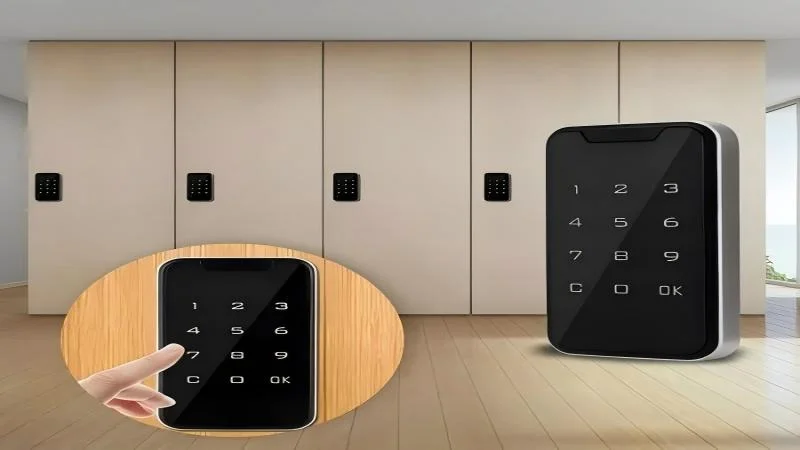
Why Choose Keypad Locks for Cabinets?
Keypad locks have gained popularity because they blend convenience with security. With a keypad lock, there's no need to carry or manage physical keys, which can easily get lost or duplicated. Instead, users just input a unique code to gain access. This not only makes things easier but also significantly enhances security, especially for high-traffic environments like offices or shared spaces.
Convenience Without the Keys
One of the most significant benefits of a keypad lock is the sheer convenience. No more fumbling for keys or worrying about misplacing them. You only need to remember the code, and you can easily share it with others when necessary. This flexibility is perfect for situations where multiple people need access to a cabinet, like in an office or shared workspace. Additionally, codes can be easily changed if access needs to be restricted, removing the need to replace the entire lock.
Enhanced Security Features
Traditional locks can be vulnerable to picking or key duplication, but keypad locks provide an additional layer of security. Many keypad locks feature advanced options like:
Anti-Tamper Mechanisms
These mechanisms activate alarms or temporarily disable the lock if someone tries to input the wrong code multiple times. This helps to deter unauthorized attempts to access your cabinet.
Auto-Locking Functionality
Some keypad locks automatically lock after a set period of inactivity, ensuring that the cabinet is never left open by mistake. This is particularly useful in busy environments where it's easy to forget to relock a cabinet.
Multiple Code Options
Many keypad locks allow you to set up different access codes for different users. This feature is ideal for offices or shared spaces, where multiple people need access but you'd like to keep track of who is using the cabinet.
Types of Keypad Locks
Not all keypad locks are the same. Depending on your security needs and preferences, you can choose from a range of keypad lock types:
Digital Keypad Locks
These locks are battery-powered and often come with additional features like auto-locking and temporary codes for guest access. They offer more flexibility but require occasional battery replacement.
Mechanical Keypad Locks
Mechanical keypad locks don't rely on batteries, making them highly reliable and low maintenance. They operate with a manual code entry system and are perfect for those who prefer simplicity.
Smart Keypad Locks
Smart keypad locks integrate with home automation systems, allowing for remote access and monitoring. These are the most advanced option, offering features like app control, usage logs, and real-time notifications.
Applications: Where to Use Keypad Locks
Keypad locks are versatile and can be used in a variety of settings to enhance security:
Home Use
Secure your valuables, such as important documents or medications, in home cabinets. Keypad locks are ideal for families who need to restrict access to certain areas.
Office Use
In the workplace, securing sensitive files or expensive equipment is a priority. Keypad locks offer a solution that allows you to manage access without worrying about lost keys.
Commercial and Industrial Use
Keypad locks are widely used in commercial environments such as warehouses, labs, and workshops. They provide flexible access control while maintaining a high level of security.
How to Install a Keypad Lock
Installing a keypad lock on your cabinet is a simple process that requires basic tools. Here's a quick guide to help you install your lock:
Step 1: Gather Your Tools
You'll need a drill, screwdriver, and the keypad lock kit. Make sure to read the lock's installation manual before starting.
Step 2: Measure and Mark
Identify the exact spot where you want to place the lock and mark it. Measure carefully to ensure that the keypad and lock mechanism align properly.
Step 3: Drill and Install
Drill the necessary holes and secure the keypad on the front of the cabinet door and the locking mechanism on the inside. Be sure to follow the manufacturer's instructions for a proper fit.
Step 4: Program the Code
After installation, follow the lock's instructions to set your custom access code. Test the code multiple times to ensure it works correctly.
Maintaining Your Keypad Lock
Proper maintenance ensures that your keypad lock functions smoothly and lasts a long time. Here are some tips to help you maintain it:
Battery Maintenance
For digital and smart keypad locks, monitor the battery life. Most locks alert you when the battery is running low, but it's a good idea to change the batteries every 6-12 months.
Cleaning the Keypad
Keep the keypad clean by wiping it down with a soft cloth regularly. Avoid using harsh chemicals, as they can damage the keypad and cause wear.
Inspect for Wear and Tear
Regularly check the lock's components for any signs of wear, especially if the lock is used frequently. Address any issues early to avoid malfunction.
FAQs
1. What happens if I forget my code?
Most keypad locks come with a master reset option that allows you to change the code. Additionally, many models offer a backup physical key that can be used to unlock the cabinet in emergencies.
2. How long do the batteries last in a digital keypad lock?
Battery life varies based on usage, but most digital keypad locks last between 6 to 12 months on a single set of batteries. Some models will alert you when the battery is running low.
3. Can keypad locks be used outdoors?
Some keypad locks are designed for outdoor use and are weather-resistant. Be sure to check the lock’s specifications before using it in an outdoor environment to ensure it can withstand the elements.
4. Are keypad locks more secure than traditional locks?
Yes, keypad locks offer enhanced security features such as anti-tamper alarms, auto-locking, and the ability to change access codes. They reduce the risk of unauthorized access compared to traditional key-based locks, which can be picked or duplicated.
5. Do digital keypad locks work during power outages?
Yes, digital keypad locks run on batteries, so they continue to function during power outages. However, it's essential to monitor the battery level and replace them regularly to ensure the lock remains operational.
