
Smart Lock vs Electronic Lock: What’s the Real Difference
If you are trying to decide between a smart lock vs electronic lock, the most important thing to understand first is this: the difference is not just about technology level, but about how you manage access, security, and daily operations. Many buyers assume these two are interchangeable, but in real-world applications, especially in commercial, industrial, or high-security environments, choosing the wrong type can lead to operational inefficiencies, security risks, or unnecessary costs. So before you even look at features, ask yourself this simple question: do you need remote control and system integration, or do you need stable, offline reliability? That answer will guide everything that follows.
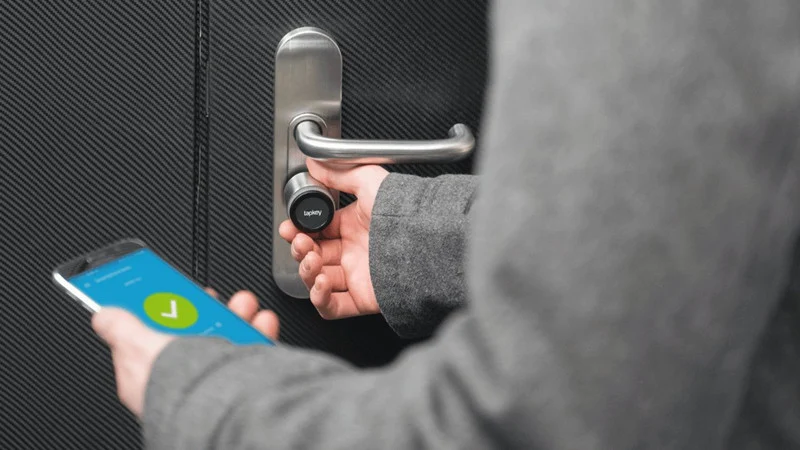
What Is an Electronic Lock and How It Works
An electronic lock is essentially a digitally controlled locking system that replaces traditional keys with credentials like PIN codes, RFID cards, or biometric verification. But here’s the key point that many people overlook: most electronic locks are designed to operate independently, without relying on internet connectivity or cloud systems. This makes them extremely reliable in environments where network access is limited or unstable. For example, in industrial sites, warehouses, or utility infrastructure, electronic locks provide consistent performance without the risk of connectivity failure.
What makes electronic locks especially valuable is their simplicity combined with controlled access. You can assign access through cards or codes, limit entry to specific users, and reduce the risk of lost keys. However, all management actions usually require physical interaction with the lock or a local system. That means if you want to change permissions or audit usage, you often need to be on-site or use a dedicated device. This limitation becomes more noticeable as your operation scales.
What Is a Smart Lock and Why It’s Different
A smart lock takes everything an electronic lock does and adds connectivity, intelligence, and automation. The biggest difference is that a smart lock is part of a larger ecosystem. It connects to apps, cloud platforms, and other systems, allowing you to control access remotely, monitor activity in real time, and automate permissions based on schedules or roles. If you are managing multiple locations or need flexible access control, this is where smart locks start to shine.
Imagine this scenario: you need to grant temporary access to a contractor while you are not on-site. With a smart lock, you can send a digital key instantly, set a time limit, and track exactly when the lock is used. This level of control is what makes smart locks attractive for offices, co-working spaces, and modern facilities. However, this convenience comes with dependency on network connectivity, software systems, and sometimes ongoing maintenance.
Smart Lock vs Electronic Lock: Core Differences That Matter
When comparing smart locks and electronic locks, the most critical difference is not the unlocking method, but the management capability behind it. Electronic locks focus on access control at the point of entry, while smart locks extend that control into a fully managed system. This means smart locks are not just hardware—they are part of a digital infrastructure that includes apps, servers, and data analytics.
Another major difference is visibility. With electronic locks, you may have limited or delayed access logs, depending on the system. With smart locks, you get real-time tracking, remote authorization, and detailed audit trails. According to industry trends, businesses are increasingly prioritizing visibility and traceability in access control systems, especially in sectors like telecom, energy, and logistics where accountability is critical.
Advantages of Electronic Locks in Real Applications
Electronic locks are often the preferred choice in environments where stability and independence are more important than connectivity. Because they do not rely on internet access, they eliminate the risk of network-related failures. This makes them ideal for remote infrastructure, outdoor installations, and harsh environments where conditions are unpredictable. In these scenarios, a lock that works every time without external dependency is more valuable than one with advanced features.
Another advantage is cost efficiency. Electronic locks typically have lower upfront costs and minimal ongoing expenses. There is no need for subscription services, complex setup, or IT support. This makes them a practical choice for organizations that need to deploy access control across a large number of locations without significantly increasing operational complexity.
Advantages of Smart Locks for Modern Access Control
Smart locks excel in environments where flexibility, scalability, and remote management are essential. If you are managing multiple users, locations, or access schedules, a smart lock system allows you to centralize control and reduce manual work. You can update permissions instantly, monitor usage in real time, and generate reports for compliance or analysis.
One of the biggest benefits is automation. For example, you can set access rules based on time, role, or event triggers. This reduces the need for manual coordination and minimizes human error. In industries where access control is complex, such as property management or shared workspaces, this level of automation can significantly improve efficiency and security.
Where Hybrid Solutions Like Vanma Fit In
In many industrial scenarios, neither fully connected smart locks nor completely standalone electronic locks are ideal. This is where hybrid solutions come into play. Systems like Vanma combine the reliability of electronic locks with the management capabilities of smart systems, without requiring constant power or network connections. :contentReference[oaicite:0]{index=0}
For example, Vanma locks use encrypted keys and audit trails to provide controlled access and traceability, while maintaining strong resistance to harsh environments such as extreme temperatures, humidity, and physical impact. This makes them particularly suitable for industries like telecom, electricity, transportation, and logistics, where both security and reliability are non-negotiable.
Smart Lock vs Electronic Lock Comparison Table
| Feature | Smart Lock | Electronic Lock |
|---|---|---|
| Connectivity | Wi-Fi / Bluetooth / Cloud | Standalone |
| Remote Access | Yes | No |
| Installation | Moderate to complex | Simple |
| Security Control | Advanced with logs | Basic local control |
| Reliability | Depends on network | High |
| Best Use | Smart environments | Industrial/offline |
Cost, Maintenance, and Long-Term Value
When evaluating cost, it is important to look beyond the initial purchase price. Smart locks often come with higher upfront costs and may require additional investment in infrastructure, software, or subscriptions. Over time, maintenance and updates can also add to the total cost of ownership. However, for businesses that benefit from automation and remote control, the efficiency gains can justify the investment.
Electronic locks, on the other hand, offer predictable costs and minimal maintenance requirements. They are easier to deploy at scale and do not require ongoing system management. This makes them a strong choice for organizations that prioritize stability and cost control over advanced features.
Which One Should You Choose
The best choice ultimately depends on your specific use case. If your priority is convenience, remote management, and integration with other systems, a smart lock is likely the better option. It allows you to manage access dynamically and provides visibility that is difficult to achieve with standalone systems.
However, if your environment demands reliability, simplicity, and independence from networks, an electronic lock or a hybrid solution may be the smarter investment. In industries where downtime is not acceptable, a stable and durable system often outweighs advanced features.
Conclusion
Choosing between a smart lock vs electronic lock is not about picking the most advanced technology, but about selecting the right tool for your environment. Smart locks bring flexibility and intelligence, while electronic locks deliver reliability and simplicity. As industries continue to evolve, hybrid solutions are bridging the gap, offering both control and stability. The key is to align your choice with your operational needs, security requirements, and long-term goals.
FAQs
Are smart locks more secure than electronic locks
Smart locks can offer higher levels of security through encryption, real-time monitoring, and detailed audit trails. However, they also introduce potential cybersecurity risks if not properly managed. Electronic locks, while simpler, are less exposed to digital threats and can be more reliable in certain environments. The best option depends on how security is defined in your specific use case.
Do electronic locks require internet connection
No, most electronic locks operate independently without internet connectivity. This makes them highly reliable in remote or industrial environments where network access may be limited or unstable. Their standalone nature is one of their biggest advantages.
What are the main disadvantages of smart locks
Smart locks depend on connectivity, software systems, and power sources. This means they can be affected by network outages, system errors, or battery issues. Additionally, they may require more maintenance and technical support compared to simpler electronic locks.
Can smart locks be used in industrial environments
Yes, but it depends on the environment. In highly controlled settings, smart locks can provide excellent management capabilities. However, in harsh or remote environments, their reliance on connectivity may be a limitation. In such cases, hybrid solutions are often more suitable.
Why are hybrid lock systems becoming popular
Hybrid lock systems combine the reliability of electronic locks with the management capabilities of smart systems. They provide features like audit trails and controlled access without requiring constant connectivity. This balance makes them ideal for industries that need both security and reliability.

