
How to Open a Lock the Safe and Smart Way
If you are searching for how to open a lock, the first thing you usually need is not a trick, but the right decision. In real life, most people look up this topic because they are locked out of a room, dealing with a misplaced key, facing a jammed door lock, or trying to understand what their safest next step should be. That is where this article starts. Instead of pushing risky shortcuts, it focuses on what actually helps in a real lockout situation: checking the lock type, understanding why it will not open, choosing legal non-destructive options, and knowing when a professional locksmith is the best move. That approach is not only safer for your property, but also more realistic for homeowners, renters, office managers, facility staff, and buyers who care about security, compliance, and long-term cost. A damaged lock can easily turn a small inconvenience into a bigger repair bill, so the smart path is to solve the problem without creating a second one. If you want practical guidance on what to do when a house key is lost, when a padlock is stuck, when a door latch will not retract, or when a commercial lock fails during a busy workday, you are in the right place. The goal here is simple: help you deal with a locked door or locked device in a legal, safe, and sensible way while protecting both your time and your hardware.
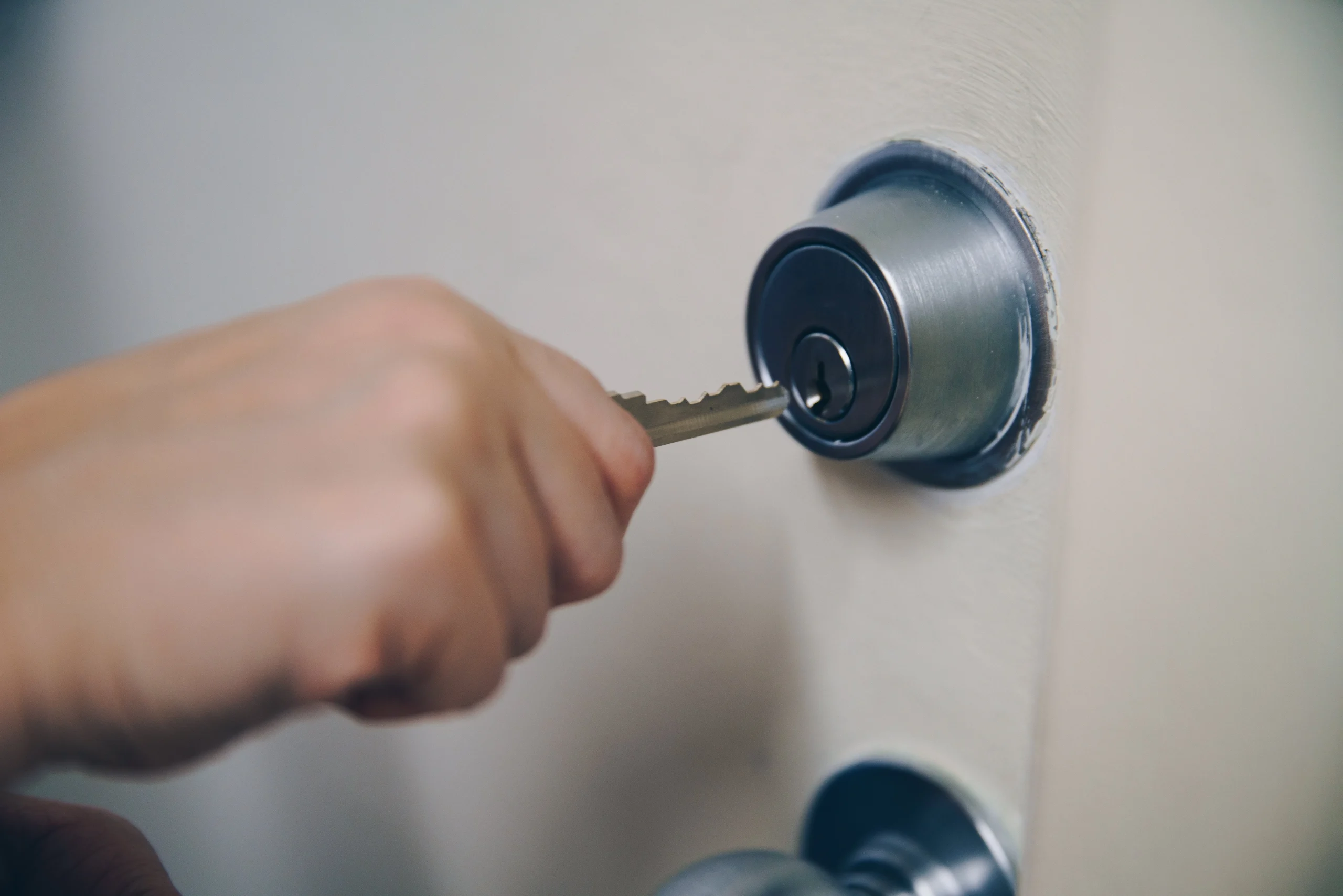
Why People Search How to Open a Lock in the First Place
Most lock problems are not dramatic. They are frustrating, inconvenient, and often caused by ordinary issues that build up over time. Maybe the key was left inside. Maybe the lock cylinder is worn. Maybe humidity caused the wooden door to swell and put pressure on the latch. Maybe a padlock sat outdoors for months and corrosion made it difficult to turn. These are the real-world reasons people search for phrases like how to open a lock without damaging it, what to do when a key breaks in a lock, how to deal with a stuck door lock, or who to call when a commercial lock will not open. In other words, the problem is usually mechanical or logistical, not mysterious. That is important, because the best solution depends on the cause. A lock that is blocked by dirt needs a different approach from a door that is misaligned. A smart lock with a dead battery is a different problem from a rusted gate padlock. Once you understand that, you stop looking for one magic answer and start looking for the right answer. That is how professionals approach lockouts. They diagnose first, act second. And if you are responsible for a home, an office, a warehouse, a rental property, or a facility with access control needs, that mindset saves money, reduces damage, and helps maintain security instead of weakening it.
What to Check Before You Try to Open a Locked Door or Padlock
Before doing anything else, slow down and inspect the situation. That one habit solves more lock problems than people expect. Start with the basics. Is it actually locked, or is the latch stuck because the door is under pressure? Is the key entering fully, or is debris blocking the keyway? Is the lock on an indoor door, an exterior entry, a cabinet, a gate, or a piece of equipment? Each of those situations changes the right response. If you are dealing with a front door lock that suddenly feels tight, for example, the issue may be seasonal door movement rather than a failed key. If you are dealing with an outdoor padlock that has not been used for weeks, moisture and rust may be the reason it will not turn. If this is a commercial space, you also need to think about authorization, access records, and whether opening the lock improperly could create a compliance issue later. That is why experienced property teams usually ask a short checklist: who owns the lock, who is authorized, what type of lock is this, what changed recently, and what is the least destructive path forward. People often want speed, but good lock handling is really about controlled decisions. In many cases, what looks like a lock problem is actually a maintenance problem, and the fix begins with diagnosis, not force.
How Different Lock Types Change Your Options
Not all locks behave the same way, and that matters a lot when you are deciding what to do next. A basic interior privacy lock, a residential deadbolt, a commercial lever lock, a weather-exposed padlock, a cabinet cam lock, and an electronic access lock all fail in different ways. A bathroom privacy lock is often designed with an emergency release feature because accidental lockouts are expected. A house deadbolt is built for stronger security, so the priority becomes avoiding damage while restoring entry through authorized means such as spare keys, building management, or locksmith service. A corroded padlock on a gate usually points to lubrication, exposure, or replacement issues rather than a sudden access event. A smart lock that stops responding may need battery attention, app credentials, or manufacturer recovery steps. For office buyers and facility managers, this is where EEAT really matters. Good guidance comes from understanding hardware classes, environmental conditions, user behavior, and the risks of making the wrong move. If you treat every lock the same, you create unnecessary damage and may even reduce security after the lockout is over. The practical takeaway is simple: identify the lock family first. That step tells you whether the next move should be a spare key, a maintenance fix, an admin override, a manufacturer support step, or a call to a locksmith who works with that specific type of locking system.
Legal and Ethical Rules You Should Never Ignore
Any article about how to open a lock needs to be clear on one point: authorization comes first. You should only open a lock that you own, manage, or are explicitly allowed to access. That sounds obvious, but it is the line that separates responsible lockout handling from misuse. For homeowners, that means your own property. For renters, it may mean contacting the landlord or property manager if lease terms require it. For businesses, it means following internal access policies, especially if the lock protects inventory, records, restricted rooms, or critical equipment. For security teams and operations staff, it means documenting who requested access, why access is needed, and what method was used to restore entry. That documentation matters more than many people realize. It protects your team, helps with incident review, and reduces the chance of future disputes. It also supports good security culture. When people see access problems handled with discipline instead of shortcuts, they are more likely to follow process the next time a key goes missing or a digital credential fails. So yes, this topic is practical, but it also touches responsibility. The safest approach is always the one that restores authorized access while preserving the integrity of the lock, the door, the surrounding hardware, and the access policy behind it.
The Best First Step Is Usually the Least Destructive One
When people panic during a lockout, they tend to jump straight to aggressive ideas. That is almost always a mistake. The best first step is the least destructive one that has a reasonable chance of working. In a home setting, that may mean checking for a spare key with a trusted person, using another authorized entrance, contacting building management, or verifying whether the issue is the door frame rather than the lock itself. In a workplace, it may mean using an access log, checking whether another authorized manager has credentials, reviewing battery status for an electronic lock, or calling the approved locksmith vendor listed in your building procedure. If a key turns halfway, for example, the answer may be lubrication and alignment rather than hardware replacement. If a smart lock keypad lights up but does not actuate, the problem may be permissions or power rather than a failed mechanism. These small distinctions matter because they keep you from escalating a simple problem into a broken lock, damaged trim, bent latch, or compromised security rating. Think of it like medicine: you do not start with surgery when hydration and rest would fix the issue. Lock access works the same way. Start with the smallest reasonable intervention, confirm the cause, and move up only if needed. That mindset is the difference between a quick recovery and a costly repair.
What to Do When a Key Is Lost
A lost key is one of the most common reasons people search for how to open a lock, but the real solution is often not about opening the lock at all. It is about restoring access while protecting future security. If the missing key belongs to a home, apartment, office, storage unit, or equipment lock, ask two questions immediately: do you need entry right now, and could that lost key be found by someone else? If the answer to the second question is yes, then regaining access is only half the job. You may also need to rekey or replace the lock. That is especially important for rental properties, commercial buildings, gated facilities, or any door protecting confidential items or controlled tools. In the short term, a verified spare key, landlord help, or locksmith entry service may solve the access problem. In the medium term, you need to decide whether the old key should still work. Many people skip that second step and leave the same cylinder in place, which is risky if the key was lost with identifying information attached. For buyers and facility operators, this is where lock system planning matters. Key control policies, spare key logs, and restricted key systems reduce both downtime and exposure. So if a key is gone, do not only think about how to get in. Think about how to stay secure after you get in.
What to Do When the Key Is Broken Inside the Lock
A broken key changes the situation because now the lock may be blocked as well as locked. The first rule is not to push the broken piece deeper. That usually makes professional extraction harder and may increase the chance of cylinder damage. If part of the key is still visible, keep the area stable and avoid twisting the lock aggressively. If the lock is on a frequently used entry, try to reduce traffic through that door so the hardware does not suffer more stress while you decide what to do next. In many cases, the smartest option is to call a locksmith for extraction and inspection, because a broken key often signals wear in either the key, the cylinder, or both. Even after the fragment is removed, you still need to ask why the break happened. Was the key already bent? Was the lock dry and resistant? Was the door misaligned and putting extra pressure on the bolt? Those questions matter because otherwise the same failure can happen again. For commercial teams, this is also a maintenance data point. A broken key is not just a one-time inconvenience. It is evidence that a lockset or key management process may need attention. Solving the immediate blockage matters, but preventing the repeat event is what turns a lockout into a useful operational lesson.
What to Do When the Lock Is Jammed or Stiff
A jammed lock is often treated like a security problem, but in practice it is usually a hardware condition problem. Dirt, corrosion, old lubricant, door movement, internal wear, and weather exposure can all make a lock feel stuck. If the key enters but does not turn smoothly, or if it only turns when the door is pushed or lifted, the problem may involve alignment between the latch or bolt and the strike plate. That means the cylinder itself may not be the main issue at all. For an outdoor padlock, exposure is the most likely suspect. Rain, dust, freezing conditions, and neglected maintenance can make even a decent lock feel seized. For a front door, seasonal expansion and frame movement are common causes. In these situations, the safest path is controlled troubleshooting: identify whether the resistance comes from the keyway, the cylinder turn, the latch travel, or the door pressure. That careful approach is much better than forcing the key, which can snap it or damage internal components. A stiff lock is the hardware equivalent of a squeaky machine. It is telling you that friction, misalignment, or wear is already present. Listen to it early, and you may avoid a full lockout later. Ignore it, and the day you are in a hurry is usually the day it fully fails.
When Calling a Locksmith Is the Right Decision
There is a reason locksmiths exist, and it is not just because opening locks is difficult. It is because access issues often involve more than getting the door open. A qualified locksmith can verify the hardware type, restore entry with less risk of damage, inspect the lock afterward, recommend rekeying or replacement if needed, and help you avoid repeat failures. That matters for residential users, but it matters even more in commercial settings where a bad decision can affect safety, insurance questions, employee access, or customer trust. If the lock protects a business entrance, equipment room, stock area, server cabinet, or controlled asset space, a professional is usually the right choice sooner rather than later. The same applies if the lock is high security, electronic, weather-damaged, or part of a master key system. Calling a locksmith is not an admission of failure. It is a practical risk decision. People sometimes hesitate because they want to save money, but damaging the cylinder, the door edge, or the frame can cost more than a proper service call. A good locksmith also gives you information you can use later: what caused the issue, whether the lock is nearing end of life, and whether your current key control approach is good enough. That advice often ends up being as valuable as the entry itself.
How Commercial Properties Should Handle Lockouts
Commercial lockouts are not just bigger versions of residential lockouts. They involve policy, accountability, and operational continuity. If an office manager, warehouse supervisor, school administrator, hotel team, or facility operator needs to open a lock, the question is not simply how to regain access. The question is how to regain authorized access while preserving security records, limiting downtime, and protecting the organization from avoidable risk. That usually means having a lockout procedure in place before the emergency happens. The procedure should identify who can authorize entry, which locksmith vendor is approved, what documentation is required, when rekeying is mandatory after a lost key, and how temporary access should be controlled. In higher-security environments, it may also include incident logging, badge deactivation, audit checks, and post-event review. This is where low-cost shortcuts often become expensive mistakes. If a staff member forces a solution without proper approval, the business could end up with damaged hardware, unclear chain of custody, and a future vulnerability that nobody documents. Commercial buyers looking at locks should keep this in mind too. A lock is not just a product. It is part of a wider access process. Choosing hardware that supports better administration, easier maintenance, and clear override procedures can reduce lockout pain in the long run.
How to Prevent Lockouts Before They Happen
The best answer to how to open a lock is often how to avoid needing to ask that question again. Lockout prevention is rarely glamorous, but it works. For homes, that can be as simple as storing a spare key responsibly, replacing worn keys before they fail, checking batteries in electronic locks on schedule, and paying attention when a lock starts to feel rough. For businesses, prevention goes deeper. Good practice includes spare key control, employee offboarding procedures, battery maintenance for digital devices, approved locksmith lists, documented door hardware inspections, and clear rules for who can authorize after-hours access. Environmental planning matters too. Outdoor locks need weather-appropriate hardware and routine care. Busy commercial doors need alignment checks because constant traffic can slowly shift frames and strike positions. Facility teams that track small warning signs usually experience fewer full lockouts. That is the core lesson. Most access failures do not come out of nowhere. They leave clues first: sticky turns, delayed latch retraction, inconsistent keypad response, or duplicate keys that stop working cleanly. If you treat those clues early, the actual lockout may never happen. Prevention is cheaper, calmer, and better for security than reacting under pressure. It is not flashy, but it is exactly how experienced operators keep entry systems dependable.
Why Good Lock Maintenance Matters More Than People Think
Locks are often treated like silent hardware that should work forever without attention, but that is not how real-world hardware behaves. A lock is a working mechanical or electromechanical device. It experiences friction, contamination, weather exposure, user error, and wear over time. That is why maintenance matters. For a homeowner, maintenance may mean checking whether the key turns smoothly, whether the strike aligns cleanly, and whether the lock body shows signs of age or corrosion. For a commercial site, maintenance becomes part of asset reliability. If one entrance starts acting up, that can affect staff movement, service continuity, and security confidence across the whole facility. Regular inspections reduce surprises. So does replacing old keys that are visibly worn, reviewing door closer tension, and making sure electronic lock batteries are changed before failure, not after it. This point is important for buyers researching lock solutions too. The right lock is not only the one that looks secure on day one. It is the one that stays dependable in its actual environment, whether that environment is a dry indoor office, a wet exterior gate, a high-traffic warehouse entry, or a cabinet in a utility room. Long-term performance is part of security, and maintenance is how you protect that performance.
When a Lock Should Be Repaired, Rekeyed, or Replaced
Not every access issue ends with keeping the same lock in place. Sometimes the smarter answer is repair, rekeying, or full replacement. Repair makes sense when the hardware is otherwise sound but affected by alignment problems, minor wear, or serviceable parts. Rekeying is often the best option after a lost key, staff turnover, tenant change, or any situation where the existing lock still works well but you no longer want old keys to function. Replacement becomes the better path when the cylinder is worn out, the lock has repeated failures, the hardware is rusted or damaged, or your security needs have changed. For example, a basic lock that was acceptable for a low-risk interior room may no longer be appropriate for a higher-value asset area. In some cases, buyers also use a lockout event as the trigger to upgrade from basic keyed access to a better-managed system. That can be a practical move, especially if the cost of repeated key loss, emergency service calls, and user confusion is already adding up. The point is that opening the lock is not always the end of the story. Sometimes it is the moment you realize the current setup no longer matches the environment. Smart operators use that moment to improve the system rather than simply reset the same weakness and wait for the next failure.
How to Choose a Better Lock if You Are Replacing One
If a lockout pushes you toward replacement, do not just buy something that looks similar and move on. Use the event to choose more intelligently. Start by asking what the lock actually needs to do. Is this for a home entry, a rental unit, an office, a cabinet, a gate, a server rack, a storage room, or industrial equipment? Then ask who uses it, how often it is used, whether weather exposure is a factor, and how important auditability or key control is. A lock that is fine for occasional indoor use may be a poor fit for high-traffic commercial access or harsh outdoor conditions. Buyers also need to think about lifecycle cost, not just sticker price. Cheap hardware can become expensive if it creates more maintenance, more lockouts, and more emergency calls. If multiple people need access, managed key systems or digital credentials may reduce confusion. If the site is remote or sensitive, solutions with better access oversight may be worth the investment. This is where a lot of long-tail search questions come from, such as best lock for frequent employee access, better lock for outdoor gate security, or how to reduce lockouts in commercial buildings. Those are good questions because they focus on use case, not marketing labels. The better the fit between the lock and the environment, the fewer problems you will have later.
How to Talk to a Locksmith or Supplier So You Get the Right Help
One simple way to solve lock problems faster is to describe them better. Whether you are calling a locksmith, talking to a building manager, or asking a hardware supplier for advice, the information you provide affects the quality of the answer you get. Start with the basics: what kind of door or asset is involved, whether this is residential or commercial, whether the lock is mechanical or electronic, whether the key is lost, broken, or present, and what changed right before the issue began. Mention if the door is hard to close, if the lock feels stiff, if the keypad has power, or if the problem happens only sometimes. Those details help professionals separate a true cylinder issue from a frame, latch, battery, or authorization issue. If you manage a facility, also mention how urgent the access is and whether the area contains sensitive items or affects operations. That changes the response priority. A good service conversation is not about sounding technical. It is about giving useful context. When you do that, you get a more accurate diagnosis, a more efficient visit, and a better chance of solving the root cause instead of just the symptom. In practical terms, that means less downtime and fewer repeat calls, which is exactly what most users and buyers want.
Safe Alternatives to Risky DIY Lock Opening
A lot of bad outcomes happen because people feel they must choose between being locked out and trying something aggressive on their own. In reality, there is a middle ground. Safe alternatives exist, and they are often faster in the long run. These include verified spare key access, master key procedures for authorized building staff, smart lock backup methods, battery jump features where supported, approved locksmith service, landlord assistance, and manufacturer recovery steps for certain electronic systems. These options may sound less dramatic than DIY ideas, but they are the ones most likely to preserve the lock, the door, and the access record. They also matter for insurance, warranty, and compliance. If you damage a commercial door while improvising, the cost is not just repair. It may also affect your audit trail and internal accountability. For homeowners, the benefit is simpler but still important: you avoid turning one bad evening into a weekend hardware project. That is why the safest long-tail advice on this topic always points toward legitimate entry recovery, not forced shortcuts. The more valuable the door, the asset, or the security context, the more important that becomes. You do not win by getting in fast if the lock is ruined afterward. You win by restoring access with the least loss.
Conclusion
If you came here searching how to open a lock, the best answer is to approach the situation like a problem solver, not like a gambler. Start by identifying the lock type and the reason access failed. Choose the least destructive legal option first. Use authorized help when the situation involves a lost key, a broken key, a jammed lock, commercial access, or anything tied to stronger security requirements. That approach protects your property, your budget, and your long-term security far better than risky shortcuts. In homes, that usually means spare key planning, maintenance, and timely service. In businesses, it means procedures, documentation, better key control, and hardware choices that match the real environment. Locks are supposed to create controlled access, and the way you handle a lockout should follow that same principle. Restore access, protect the system, learn from the event, and reduce the chance of repeating it. That is the practical, responsible, and buyer-minded way to deal with locked doors, stuck padlocks, failed cylinders, and everyday access headaches.
FAQs About How to Open a Lock Safely
Can I open my own lock if I lost the key?
If it is your own lock or you are explicitly authorized to access it, the priority should be legal, non-destructive entry. In many cases, the safest solution is using a verified spare key, contacting building management, or calling a locksmith. If the missing key could be found by someone else, you should also think about rekeying or replacement after entry is restored. Getting in is only part of the problem. Keeping the property secure afterward matters just as much.
What should I do if my key is stuck or broken in the lock?
Do not force it deeper and do not keep twisting aggressively. A stuck or broken key often means the lock, the key, or the door alignment already had a problem before the failure happened. The best next step is usually professional extraction and inspection, especially if the lock protects an exterior door or a commercial space. Once the key fragment is removed, it is worth checking whether the cylinder needs service, rekeying, or replacement so the same problem does not return.
Is a jammed lock the same as a damaged lock?
Not always. A jammed lock may be caused by dirt, corrosion, old lubrication, weather exposure, or misalignment between the door and strike. A damaged lock may involve worn internal parts, a bent key, or cylinder failure. The symptoms can look similar at first, which is why diagnosis matters. If the keyway is clear but the door only works when pushed or lifted, the issue may involve the door rather than the core locking mechanism.
When should I rekey a lock instead of replacing it?
Rekeying is often the smart choice when the lock hardware is still in good condition but you no longer want existing keys to work. That commonly happens after a lost key, tenant turnover, employee departure, or change in access responsibility. Replacement makes more sense when the lock is heavily worn, rusted, unreliable, or no longer suitable for the security level of the space. A locksmith can help determine which option is more cost-effective.
What is the best way to avoid future lockouts?
The best prevention plan combines spare access, maintenance, and better process. For homes, that may mean a trusted spare key, routine battery checks for smart locks, and replacing worn keys before they fail. For businesses, it usually means clear access authorization, spare key logging, approved locksmith support, battery schedules for electronic locks, and routine checks on high-traffic doors. Most lockouts leave warning signs early, so paying attention to them is one of the easiest ways to avoid a bigger problem later.
Should businesses handle lockouts differently from homeowners?
Yes, because businesses have more than convenience at stake. A commercial lockout may affect employees, customers, inventory, equipment, data security, and compliance records. That is why businesses should use documented authorization steps, approved locksmith vendors, and post-incident review when necessary. A home lockout is usually personal and local. A business lockout can become an operational event, so the response should be more structured and accountable.
Does a lockout mean the lock is low quality?
Not necessarily. Even good locks can fail if they are installed poorly, exposed to harsh weather, used heavily, or maintained inconsistently. Sometimes the weak point is the key, the door alignment, the battery in an electronic unit, or the access process around the lock. That said, repeated lockouts are a sign that something in the system is not working well. If the same door keeps causing problems, it is worth reviewing both the hardware quality and the way it is being used.

