
Keypad Locking Cabinet Trends Buyers Care About
If you are researching a keypad locking cabinet right now, you are probably trying to solve a very specific problem: you want secure storage, but you do not want the headache of keys. That is the core reason keypad cabinets are trending. In many workplaces, keys get lost, copied, shared, or simply never returned when staff changes. A keypad cabinet lock feels like a clean upgrade because it replaces the physical key with something people already understand: a code. But the real question buyers ask in 2025 is not just whether a keypad locking cabinet works. The question is whether it works reliably in your daily workflow, with real people, real shift changes, and real security risks.

Why Keypad Locking Cabinets Are a Hot Topic in 2025
Keypad locking cabinets are getting attention because modern workplaces are more shared than ever. Tools are shared between shifts, laptops are checked in and out, medical supplies are controlled, and spare parts are stored in cabinets that multiple departments may need. That shared access creates friction when you rely on traditional locks. People waste time locating keys, supervisors waste time managing duplicates, and the business quietly absorbs the cost of lost productivity. A keypad locking cabinet is popular because it removes those small daily delays. It also feels more professional during audits and facility inspections, because you can change codes quickly when roles change.
Another reason the topic is hot is the rise of mixed work environments. Think about coworking spaces, labs, schools, clinics, and warehouse offices where temporary workers come and go. A keypad cabinet with a short-term PIN sounds like the perfect solution. It is not just a lock. It is a simple access policy you can change fast without calling a locksmith. That flexibility is exactly why searches for keypad locking cabinet options keep rising.
How a Keypad Locking Cabinet Works in Real-World Use
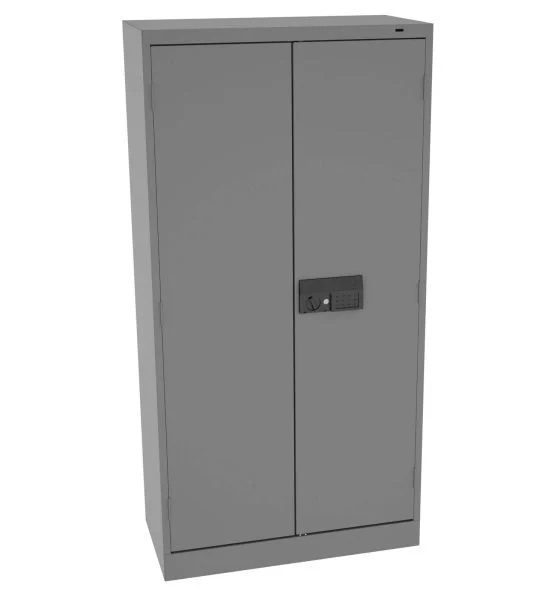
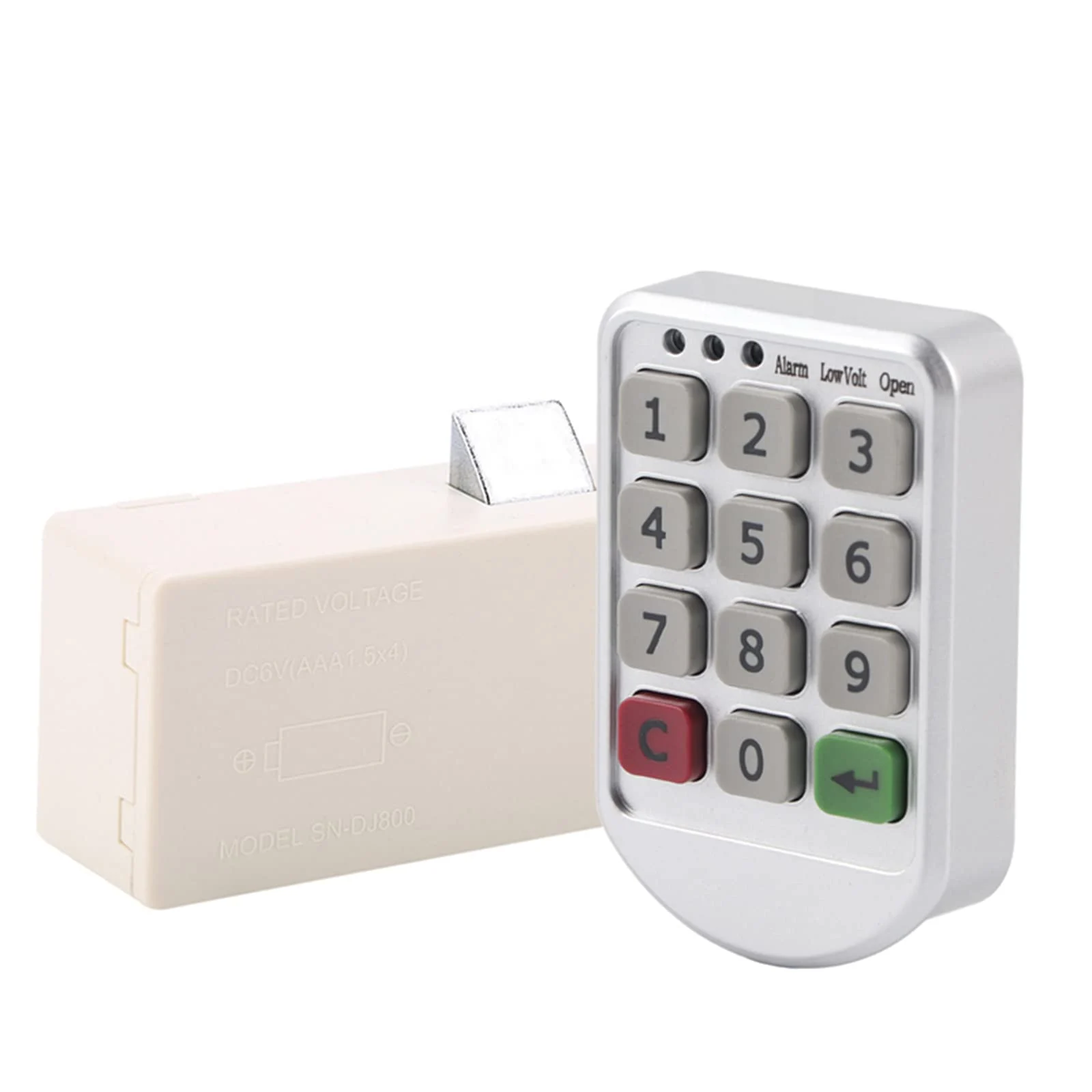
A keypad locking cabinet uses a keypad on the cabinet door, paired with an electronic latch or cam. When a user enters the correct PIN code, the lock releases. The best part is speed. A trained worker can open the cabinet in seconds, and there is no key to carry. For many organizations, that is enough to justify the switch. But real-world use also introduces real-world behavior. People share codes. People forget codes. People write codes on stickers. So while the mechanism is simple, the management side still needs clear rules.
In practice, most buyers pick from three common PIN styles. The first is a fixed PIN, used by a team. The second is a manager PIN plus user PINs. The third is a time-limited PIN, where codes can be rotated weekly or per project. Your choice should match your workflow. If you have high staff turnover, rotating codes matters. If you have strict separation between departments, multiple codes or user-level control matters. If you are just securing office supplies, a simple PIN may be fine.
Where Keypad Cabinet Locks Work Best
A keypad locking cabinet shines in environments where convenience matters and users are generally trusted, but you still want a basic barrier against casual access. Offices often use keypad cabinets for shared IT equipment, document storage, and small asset control. Clinics and labs use keypad cabinets for supplies that need controlled access but are not high-risk enough to require enterprise access control. Warehouses use keypad cabinets for tools, scanners, and spare parts where speed and accountability are important, but budgets are still practical.
- Office storage cabinets for shared devices, laptops, and sensitive files
- Warehouse tool cabinets used across shifts
- Retail back-office cabinets storing returns, POS accessories, and keys
- Schools and universities using keypad lockers for staff equipment
- Clinics and labs securing supplies and controlled access areas
If your cabinet access is mostly internal and you want to reduce key chaos quickly, keypad locking cabinets are often an easy win. Buyers like that they can install them without changing the entire cabinet system. Many keypad cabinet locks fit common cam lock cutouts, which makes retrofits simpler than people expect.
The Downsides Buyers Should Know Before Purchasing
Let’s talk honestly about the limitations, because that is where experienced buyers make better decisions. A keypad locking cabinet can reduce key problems, but it can introduce code problems. The biggest risk is that PINs get shared. If a code is known by ten people, your cabinet is not really secured to an individual. It is secured to a group, and that matters when something goes missing. Another issue is lockouts. If the person who knows the manager code is on vacation, and someone forgets the user code, you can lose access at the worst possible time.
Battery dependence is also something buyers overlook. Most keypad cabinet locks run on batteries. If batteries die and you do not have a backup plan, access becomes a problem. Some models offer a backup key or emergency power port, but that changes the security discussion again. The final limitation is traceability. Many keypad cabinets do not provide a reliable audit trail. You might know the cabinet was opened, but you may not know which person opened it unless every user has a unique code and your lock supports logs. For higher-value assets, that gap matters.
Keypad Locking Cabinet vs Electronic Cabinet Access Control
This is a popular discussion right now, because many companies start with keypad cabinet locks and later realize they need better accountability. Keypads are great for convenience, but they are not always ideal for audit-grade security. If your environment requires real identity-based access, you may want electronic cabinet access control that assigns permissions to specific users or credentials. This is especially common in telecom, utilities, and distributed infrastructure, where access must be controlled across multiple sites and teams.
For example, Vanma’s electronic lock system is built around authorized electronic keys and permission management, rather than shared PIN codes. In these deployments, access is granted based on authorization, time windows, and user identity. Keys can be revoked if lost, and access records can be reviewed. This is the kind of approach buyers consider when they outgrow keypad locking cabinets or when they cannot accept shared codes as a security model.
What to Look for When Buying a Keypad Locking Cabinet
If you are comparing keypad locking cabinets, focus on the features that protect your daily workflow. Convenience matters, but reliability and management matter more. A good keypad cabinet lock should be easy to use for operators, easy to reset for managers, and clear about what happens during battery failure or lockout situations. If you buy for a warehouse or industrial environment, durability and weather resistance may also matter, even if the cabinet is indoors but exposed to dust and vibration.
- PIN management: fixed codes, multiple user codes, or rotating codes
- Lockout recovery: manager reset method and emergency access option
- Battery behavior: low-battery alerts and safe replacement process
- Installation: fits common cam lock cutouts or requires custom work
- Security model: shared code vs user-level access
- Audit needs: whether you need logs or accountability
A simple rule helps: if your biggest issue is lost keys and daily convenience, a keypad locking cabinet can be a strong first step. If your biggest issue is accountability, audits, and controlled authorization, you may need a more identity-based electronic lock approach.
FAQs About Keypad Locking Cabinets
Are keypad locking cabinets actually secure, or just convenient?
They can be secure enough for many office and commercial use cases, especially when codes are managed properly and changed when staff roles change. However, the security depends heavily on PIN confidentiality. If codes are shared widely or written down near the cabinet, the security level drops quickly. For high-value assets, consider locks that support user-level access or audit trails.
What happens if someone forgets the code for a keypad cabinet lock?
This depends on the model. Many keypad cabinet locks include a manager code that can reset user PINs. Some include a backup key or emergency power input. If there is no recovery option and the code is lost, forced entry may be required, which is exactly what most buyers are trying to avoid. Before purchasing, confirm the lockout recovery process and make sure your team knows it.
Do keypad locking cabinets work well in warehouses with multiple shifts?
Yes, they can work well if you set clear rules. Warehouses often benefit because workers do not need to carry keys, and supervisors can rotate codes when shifts change. The key is to prevent code sharing across departments and to change codes when staff leave. If you need accountability for tool loss, consider solutions that assign access to individuals rather than shared PINs.
Can keypad cabinet locks provide an audit trail of who opened the cabinet?
Many basic keypad cabinet locks do not provide meaningful access logs. Some advanced models support multiple user codes and event logs, but you still need a process for assigning unique codes to each person. If audit trail is a requirement, look for locks designed for accountability, or consider electronic systems that record user identity by key or credential.
Are keypad locking cabinets better than key locks for staff turnover?
In most cases, yes. With a keyed lock, staff turnover often means collecting keys, changing cylinders, or worrying about copied keys. With a keypad locking cabinet, you can change the code immediately. That is why keypad cabinets are so popular in environments with contractors, seasonal workers, and rotating teams.
What is a good alternative if I do not want shared PIN codes?
If you want access control without shared codes, consider electronic locks that use authorized electronic keys or credential-based permissions. These systems are common in telecom, power utilities, and multi-site operations where managers need controlled access windows, clear responsibility, and access records. This approach reduces the biggest weakness of keypad systems: shared knowledge.
Final Thoughts
The keypad locking cabinet trend is not random. It is a response to real workplace pain: lost keys, slow access, and messy handovers. For many businesses, keypad cabinet locks are a practical upgrade that improves daily efficiency and reduces key-related problems quickly. Just make sure you buy with your workflow in mind. Think about who needs access, how often codes should change, and what you will do if someone forgets the PIN on a busy day.
If you are protecting higher-value assets or managing cabinets across multiple sites, do not be afraid to look beyond keypad solutions. Convenience is important, but accountability and controlled authorization become more important as your operation grows. Choosing the right cabinet lock is less about the lock style and more about the access policy you want to run every day.

