
Introduction to Padlock Covers
Padlock covers are essential accessories designed to protect padlocks from environmental elements and enhance their longevity and functionality. These covers come in various materials and designs, each serving a specific purpose and offering different levels of protection. Protecting your padlock with a cover can prevent rust and other wear that can compromise security.
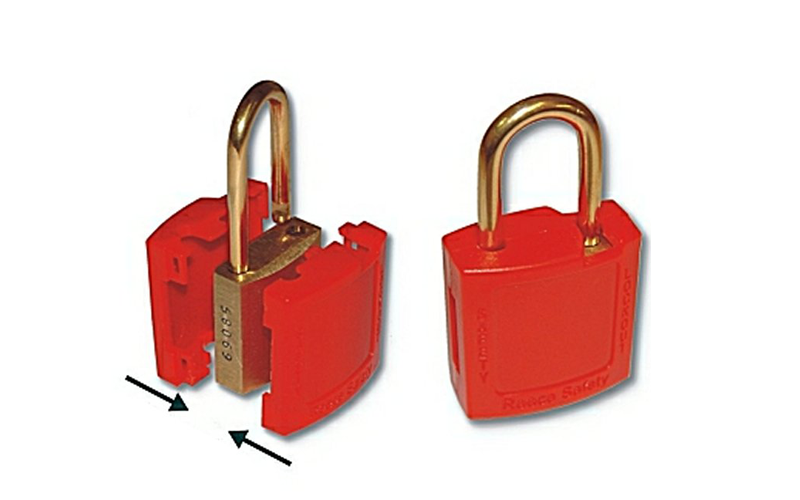
Types of Padlock Covers
Metal Covers
Metal covers are durable and provide excellent protection against physical damage and tampering. However, they may be prone to rust if not treated properly, especially in moist environments. Their robust nature makes them ideal for high-security needs where strength and resilience are priorities.
Plastic Covers
Plastic covers are lightweight and resistant to corrosion. They are an economical choice but may degrade under UV exposure and extreme temperatures. These covers typically offer a versatile fit and easy handling, making them suitable for less severe conditions.
Waterproof Covers
Waterproof covers are ideal for outdoor use where moisture is a concern. These covers prevent water from seeping into the locking mechanism, thus preventing rust and freezing in cold conditions. They often come in flexible materials that ensure a tight seal around the lock.
Choosing the Right Padlock Cover
Size Compatibility
Ensuring that the cover fits the padlock snugly is crucial for effective protection. Covers that are too large can allow elements to enter, while too small covers may not fit at all. It's important to measure your padlock before purchasing a cover to ensure a good fit.
Environmental Considerations
Choose a cover based on the typical environment where the padlock will be used. For harsh conditions, robust materials like metal or specialized plastics are recommended. Consider the typical weather patterns and any chemical exposures that might affect the cover.
Security Enhancements
Some covers offer additional security features, such as tamper alerts or reinforced designs to discourage unauthorized access. These enhancements can provide an extra layer of protection, making it more difficult for thieves to tamper with or break the lock.
Installation Tips
Step-by-Step Installation
A simple guide to correctly installing a padlock cover to ensure maximum protection and ease of use. Start by cleaning the padlock and the area around it, align the cover with the lock, and gently place it over the lock until it snaps into place, ensuring there are no gaps.
Common Installation Mistakes
Avoid common pitfalls such as forcing the cover on, which could damage both the cover and the padlock. Make sure not to obstruct the lock's keyhole or combination dial, as this can prevent proper functioning.
Maintenance and Care
Cleaning Techniques
Specific methods for cleaning different types of padlock covers to maintain their effectiveness and appearance. Regular cleaning involves wiping the cover with a damp cloth and mild soap, avoiding harsh chemicals that might degrade the material.
Longevity Tips
Advice on regular checks and minor adjustments to extend the cover's life. This includes periodically checking for signs of wear and tear, ensuring the cover remains securely fitted, and replacing it if it becomes damaged or begins to degrade.
Conclusion
Summarize the importance of using a padlock cover and how it contributes to the overall security and durability of a padlock. By choosing the right cover and maintaining it properly, you can significantly enhance the lifespan and functionality of your padlock.
FAQs About Padlock Covers
1. What types of padlock covers are best for marine environments?
For marine environments, stainless steel or specially coated plastic covers are best as they resist saltwater corrosion effectively.
2. How often should I replace my padlock cover?
Replace your padlock cover if you notice significant wear or if it no longer fits properly. Typically, a cover should last several years under normal conditions.
3. Can a padlock cover improve the lock's resistance to lock picking?
While a cover itself doesn't prevent picking, it can obscure the lock mechanism, making it more difficult for a picker to access the lock.
4. Are there universal covers that fit all types of padlocks?
Universal covers are available, but it's better to choose a cover specifically designed for your lock type for optimal protection.
5. What is the best way to measure my padlock for a cover?
Measure the padlock's height, width, and depth using a ruler or caliper. Compare these dimensions with the cover specifications to ensure a good fit.
For marine environments, stainless steel or specially coated plastic covers are best as they resist saltwater corrosion effectively.
2. How often should I replace my padlock cover?
Replace your padlock cover if you notice significant wear or if it no longer fits properly. Typically, a cover should last several years under normal conditions.
3. Can a padlock cover improve the lock's resistance to lock picking?
While a cover itself doesn't prevent picking, it can obscure the lock mechanism, making it more difficult for a picker to access the lock.
4. Are there universal covers that fit all types of padlocks?
Universal covers are available, but it's better to choose a cover specifically designed for your lock type for optimal protection.
5. What is the best way to measure my padlock for a cover?
Measure the padlock's height, width, and depth using a ruler or caliper. Compare these dimensions with the cover specifications to ensure a good fit.
