
How to Choose High Security Locks for Industrial Sites
High security locks are an essential part of protecting industrial facilities, equipment, and restricted access points. However, choosing the right lock involves more than finding a hardened steel body or a complicated key mechanism. Industrial sites face different security challenges, including unauthorized entry, lost keys, contractor access, harsh weather, and the need to protect equipment across multiple locations. A lock that performs well on an indoor storage cabinet may not be appropriate for an outdoor electrical enclosure or a remote telecommunications facility. For purchasing managers and security professionals, the goal is to select a locking system that provides appropriate physical protection, reliable access control, and manageable operating costs throughout its service life. This article explains the main types of high security locks, how their security features differ, and what industrial buyers should evaluate before making a purchasing decision.
1. What Are High Security Locks?
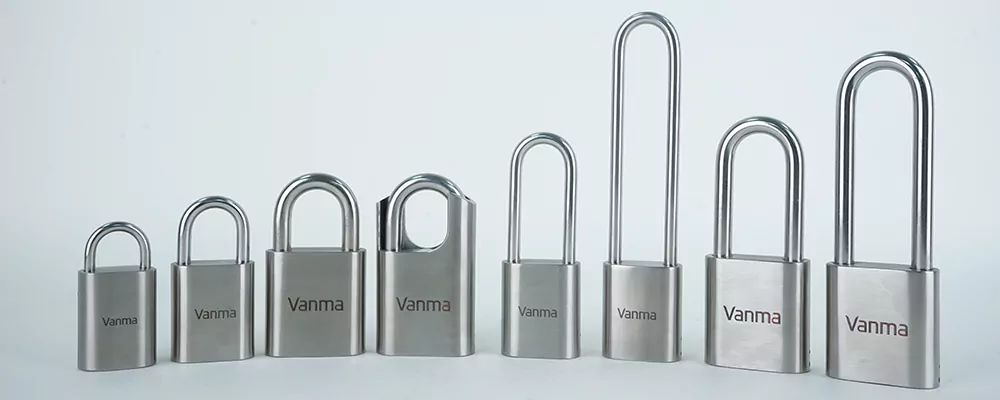
High security locks are locking devices designed to provide stronger protection against specified forms of unauthorized access than ordinary general-purpose locks. Depending on their construction and intended application, they may incorporate reinforced bodies, hardened shackles, restricted key systems, advanced cylinders, electronic authentication, or centrally managed access permissions. Their purpose is to make unauthorized entry more difficult while allowing legitimate users to access protected areas or equipment through controlled procedures.
In industrial environments, the term covers several product categories. High security padlocks may secure perimeter gates and equipment cabinets, while high security door locks are used on commercial entrances, utility rooms, and restricted building areas. Electronic locks can introduce digital authorization and access records, and passive electronic locks can provide managed access without requiring a battery inside each lock body. Although these products serve related purposes, their construction, installation requirements, and security capabilities are not interchangeable.
Buyers should also recognize that "high security" is often a descriptive marketing term rather than proof of a particular independently verified performance level. A product should be evaluated against documented requirements, relevant standards, test results, and the threats present at the facility. For example, a padlock with a strong shackle but an easily attacked cylinder may provide inadequate protection against the methods most likely to be used at a particular site.
2. What Makes a Lock Suitable for High-Security Applications?
The effectiveness of high security locks depends on both their mechanical construction and the way access is controlled. A lock must be capable of resisting realistic physical threats, but it should also prevent unauthorized individuals from obtaining or using valid credentials. Industrial security managers should examine these two requirements separately because improvements in one area do not automatically solve weaknesses in the other.
2.1 Physical Attack Resistance and Lock Construction
Physical attack resistance starts with the materials and design of the lock body, shackle, cylinder, and locking mechanism. Hardened steel components may improve resistance to cutting and mechanical damage, while suitable protective designs can reduce access to vulnerable areas. Some padlocks use shrouded shackles to limit exposure to cutting tools, and certain cylinder designs incorporate features intended to resist drilling, manipulation, or forced rotation.
Material selection must reflect the installation environment. A hardened steel shackle may provide useful resistance to mechanical attack, but corrosion protection becomes important when the same lock is installed near the coast or exposed to industrial chemicals. Stainless steel components may offer corrosion advantages, although their physical attack resistance depends on the specific alloy, treatment, geometry, and overall design.
A strong padlock is only one part of the security assembly. If the mounting plate, hasp, chain, or cabinet door can be easily removed, upgrading the lock alone may provide limited protection. Buyers should therefore inspect the complete locking arrangement and identify the weakest accessible component before deciding which product offers an appropriate security improvement.
2.2 Key Control and Access Authorization
Key control determines who can obtain, duplicate, retain, or use the credentials required to open a lock. Conventional mechanical locks depend primarily on possession of a physical key. Restricted key systems can introduce additional controls over duplication, but lost or unreturned keys may still require administrative intervention, replacement hardware, or changes to the locking arrangement.
Electronic high security locks offer another approach by allowing access permissions to be assigned to specific users or electronic credentials. Depending on the system, administrators may define authorized locations, permitted access periods, and individual responsibilities. When employees leave or contractors finish an assignment, their electronic permissions can be revoked through supported management procedures rather than automatically requiring replacement of every affected lock.
The quality of access authorization depends on the system architecture. Buyers should confirm how electronic credentials are authenticated, how lost credentials are disabled, whether offline permissions have expiration limits, and what records are available for investigation. A digital system without disciplined permission management can still allow excessive access, even when its physical locking hardware is robust.
3. Types of High Security Locks for Industrial Sites
Different industrial applications require different lock designs. Selecting a locking device based only on its appearance or advertised security level can create problems with installation, maintenance, and access control. The following categories represent common approaches used to protect commercial and industrial assets.
| Lock Type | Main Characteristics | Suitable Applications |
|---|---|---|
| High Security Mechanical Padlocks | Reinforced construction, mechanical key operation, and attack-resistant components. | Industrial gates, storage cages, equipment enclosures, and general facility security. |
| Restricted-Key Cylinder Locks | Mechanical cylinders with controlled key duplication arrangements. | Commercial doors, utility rooms, and facilities requiring organized mechanical key management. |
| Battery-Powered Electronic Locks | Electronic authentication powered by an internal battery. | Commercial facilities and equipment requiring compatible digital credential access. |
| Passive Electronic Locks | No battery inside the lock body; compatible electronic keys supply power and authorization. | Distributed infrastructure, industrial cabinets, remote equipment, and centrally managed access points. |
| High Security Door Lock Systems | Purpose-built locking assemblies for commercial and industrial doors. | Restricted rooms, industrial buildings, service entrances, and controlled facility access. |
A warehouse with several perimeter gates may need rugged padlocks that withstand frequent outdoor use, while a utility company operating hundreds of electrical cabinets may prioritize electronic authorization and centralized key management. In both cases, physical security is important, but the way personnel access the protected equipment can influence the overall purchasing decision.
4. Mechanical vs. Electronic High Security Locks
Mechanical and electronic high security locks address different operational needs. Mechanical locks can offer straightforward operation without electronic dependencies, while electronic systems can provide more flexible credential management and access records. Neither category is automatically superior in every application. The appropriate choice depends on how many locks are installed, how frequently permissions change, and what level of accountability the facility requires.
| Factor | Mechanical High Security Locks | Electronic High Security Locks |
|---|---|---|
| Access Method | Physical mechanical key | Authorized electronic key, credential, or supported digital interface |
| Permission Changes | May require key recovery, rekeying, or hardware replacement | Can support software-based authorization updates |
| Access Records | Generally requires separate procedures to record access | May record supported credential and unlocking events |
| Power Requirements | No electrical power required | Battery-powered or externally powered, depending on design |
| System Management | Physical key inventory and distribution | Electronic credential and permission management |
| Maintenance | Mechanical inspection and servicing | Mechanical inspection plus relevant electronic components and credentials |
Mechanical locks remain practical where access rights rarely change and there are relatively few authorized users. Electronic locking systems become more attractive when personnel regularly move between locations or when the business must manage temporary contractors. For example, a telecommunications operator with cabinets across several districts may find electronic permissions easier to manage than distributing numerous permanent mechanical keys.
A passive electronic locking system offers another option for distributed industrial sites. Unlike battery-powered locks, passive electronic locks receive operating power from compatible smart keys. This removes the need to change batteries inside individual locks, although the keys themselves still need charging and maintenance. Products such as Vanma passive electronic locks demonstrate how electronic authorization and managed smart keys can be applied to industrial locking systems.
5. Where Are High Security Locks Most Commonly Used?
High security locks are used wherever unauthorized access could cause equipment loss, operational interruption, security incidents, or exposure of sensitive infrastructure. However, the appropriate locking arrangement depends on how the protected asset is used. A restricted warehouse entrance and an electrical distribution cabinet may require different physical hardware, access policies, and inspection procedures.
- Power distribution facilities: Access to electrical cabinets, substations, and equipment enclosures must be restricted to appropriately authorized personnel. Access-control locks must remain separate from required electrical isolation and lockout/tagout procedures.
- Telecommunications infrastructure: Remote communications cabinets and equipment shelters often require access by maintenance teams and external service contractors.
- Warehouses and logistics centers: Security locks can protect equipment cages, restricted storage areas, external gates, and valuable industrial assets.
- Water treatment facilities: Pumping stations, service enclosures, and control cabinets may require durable locking systems with controlled maintenance access.
- Oil and gas installations: Equipment access points may require strong physical protection and controlled authorization. Where hazardous-area classifications apply, suitable certified equipment must be selected.
- Railway and transportation infrastructure: Service cabinets, maintenance facilities, and restricted equipment areas may be protected using centrally administered locking arrangements.
These applications share a common requirement: the organization must protect physical assets while ensuring authorized personnel can perform necessary work. In locations with frequent contractor changes, electronic credential management may provide greater administrative flexibility. At isolated access points with limited users, carefully selected mechanical high security locks may remain entirely appropriate.
6. How to Choose the Right Security Level
Choosing the right security level begins with assessing the consequences of unauthorized access and the likely methods of attack. A lock protecting low-value maintenance supplies does not necessarily require the same physical resistance as one protecting critical industrial equipment. Security managers should identify the asset value, location, visibility, expected attack methods, and availability of additional safeguards before comparing products.
For exposed perimeter locations, resistance to cutting, pulling, drilling, and other physical attacks may be important. For sensitive equipment cabinets, controlling unauthorized keys and restricting technician access may be equally significant. Facilities should also consider whether the lock is monitored by cameras, alarms, or on-site security staff. A locking device is most effective when it forms part of a broader security arrangement.
Independent testing can make product comparisons more meaningful. Relevant standards and certification programs may evaluate lock performance against particular attack methods or test conditions. Examples include appropriate padlock standards such as ASTM F883 or EN 12320, depending on the market and application. Buyers should verify the exact standard, classification, certified model, and scope of testing instead of relying on a general statement that a product is certified or industrial grade.
Where security risks are particularly high, request supporting test documentation from the manufacturer and check whether the complete installed locking assembly meets the required protection level. A certified padlock installed on a weak mounting bracket may fail to provide the expected overall resistance.
7. Why Access Management Matters as Much as Lock Strength
Strong locking hardware cannot compensate for poor key control. If unauthorized personnel can obtain a valid key, the lock may be opened without any physical attack. This is why large industrial organizations increasingly consider credential management when evaluating high security locks. The challenge is not simply preventing forced entry but making sure authorized access remains limited, identifiable, and consistent with operational responsibilities.
Consider an industrial site that uses one mechanical master key for numerous equipment cabinets. Although the arrangement may simplify maintenance, losing that key could expose multiple access points. Recovering control might involve locating spare keys, changing cylinders, and issuing replacements. The administrative cost can be significant when cabinets are spread across multiple sites.
A managed electronic locking system can reduce some of these problems by allowing users to receive permissions for designated locks. Depending on the product, permissions may be limited by location, time, role, or maintenance assignment. A single compatible electronic key may operate multiple locks without giving its holder unrestricted access to every lock in the system.
Electronic access records can also support investigations and maintenance supervision. However, buyers should confirm precisely what information is captured. Some products record authorization and unlocking events without independently verifying that a door or padlock was closed afterward. If confirmed closed status is necessary, additional sensors, operational checks, or other verified locking features may be required.
8. What Should Buyers Know About Outdoor Durability?
Outdoor durability is an important consideration for industrial security locks because environmental exposure can affect both physical and electronic components. Rain, dust, industrial contaminants, salt spray, and temperature changes may contribute to corrosion or interfere with operation. A lock that performs reliably indoors may require additional protection when installed at an exposed coastal facility or a remote infrastructure site.
Buyers should examine the specified operating temperature range, body material, shackle construction, corrosion protection, and sealing design. For electronic locks, the ingress protection rating helps describe resistance to dust and water under defined test conditions. However, an IP rating does not automatically demonstrate resistance to salt corrosion, mechanical attack, chemical exposure, or prolonged environmental deterioration.
When evaluating a passive electronic padlock, inspect both the lock body and the compatible electronic key. The lock may have a higher ingress protection rating than the key, and the two components may be exposed to different working conditions. For example, a permanently installed outdoor lock can remain in heavy rain while its smart key may be intended for shorter periods of field use. Buyers should verify the environmental ratings of every component instead of assuming that the entire system shares one protection level.
Industrial operators should also consider the physical mounting arrangement. A locking point that traps water around the body or permits a shackle to strike nearby equipment can shorten service life. Appropriate installation and routine inspection often contribute as much to reliability as the materials used in the lock itself.
9. Installation and Maintenance Considerations
Proper installation is necessary to achieve the intended protection of high security locks. Before purchasing, check the dimensions of the existing locking point, including shackle clearance, hasp opening, body width, and available operating space. A large padlock may provide strong mechanical resistance but become difficult to operate if the cabinet door or surrounding structure prevents the user from inserting a key or releasing the shackle.
For electronic locking systems, installation planning should also cover credential provisioning, administrator responsibilities, user training, and recovery procedures. Employees need to understand how permissions are issued and how access records are synchronized. If an electronic key becomes unavailable, the organization should have a documented replacement or recovery process approved by the manufacturer and consistent with the facility's security policy.
Maintenance intervals should reflect operating conditions rather than a single fixed schedule for every lock. Frequently used outdoor locks may need closer inspection than protected indoor locks with limited activity. Common inspection points include shackle movement, body damage, corrosion, mounting hardware, and the operation of the locking mechanism.
Battery-powered electronic locks require attention to their battery condition and replacement procedures. Passive electronic locks remove the battery from the lock body but still require reliable smart keys, functioning electrical contacts, and appropriate credential management. Maintenance personnel should follow manufacturer instructions for cleaning and servicing rather than applying lubricants or cleaning agents that could damage seals or electronic interfaces.
10. How Much Do High Security Locks Cost Over Time?
The total cost of high security locks includes more than the original hardware purchase. Industrial facilities must consider installation, key distribution, maintenance, replacement parts, access management, and the potential cost of security incidents. An inexpensive locking product can become costly when repeated failures or lost keys require frequent service visits, while an expensive electronic system may be difficult to justify if the facility has only a few access points.
Mechanical high security padlocks generally have a simpler cost structure because they do not require electronic credentials or management software. However, organizations with large numbers of locks may incur costs associated with physical key issuance, rekeying, replacing lost keys, and maintaining master key records. These activities can consume substantial staff time across multiple locations.
Electronic systems introduce expenses for compatible keys, management software, training, and technical support. Battery-powered products may also require periodic battery replacement, while passive electronic designs concentrate battery maintenance in the reusable electronic keys rather than individual lock bodies. The potential operational benefit is greatest where many locks are managed by changing groups of authorized personnel.
| Cost Factor | Mechanical Locks | Managed Electronic Locks |
|---|---|---|
| Initial Hardware | Lock bodies and mechanical keys | Lock bodies, compatible credentials, and supporting equipment |
| Key Replacement | Physical key replacement and possible rekeying | Credential replacement and authorization updates |
| Maintenance | Mechanical servicing and inspection | Mechanical servicing plus electronic components and credential maintenance |
| Management | Physical key records and distribution | Software administration and credential management |
| Expansion | Additional locks, keys, and possible master key planning | Additional locks, credentials, and possible software capacity |
Purchasing teams should estimate costs over the expected operating life instead of comparing only quoted unit prices. For a multi-site project, obtain information on software licensing, supported user capacity, spare key availability, maintenance requirements, and replacement procedures. A pilot deployment can help establish realistic operating costs before the organization invests in a larger installation.
11. Common Purchasing Mistakes to Avoid
Industrial buyers can reduce security and operating problems by identifying common mistakes during product evaluation. Many purchasing difficulties result from incomplete application requirements rather than defects in the locks themselves. A technically capable product may still be unsuitable if it cannot be installed correctly, managed efficiently, or maintained under actual site conditions.
- Choosing by appearance alone: A heavy or large lock is not necessarily resistant to the specific attacks relevant to a site. Request documented specifications and relevant test results.
- Ignoring mounting hardware: A strong padlock cannot compensate for a weak hasp, chain, or cabinet structure.
- Overlooking key management: Mechanical strength offers limited protection when keys are freely copied, shared, or left unaccounted for.
- Assuming all electronic locks are identical: Battery-powered, wireless, and passive electronic designs have different communication and maintenance requirements.
- Failing to check environmental specifications: Outdoor installations require verified protection against the relevant operating conditions.
- Ignoring offline access requirements: Remote facilities must understand how credentials operate when network connections are unavailable.
- Buying without testing: A representative pilot helps confirm compatibility, usability, authorization procedures, and management software performance.
One of the most important purchasing questions is whether the selected product solves the facility's actual security problem. If the primary concern is forced entry, mechanical resistance and mounting strength deserve particular attention. If the problem involves lost keys and uncontrolled contractor access, credential management may deliver greater operational benefits. Many industrial sites need a combination of both approaches.
12. Frequently Asked Questions
12.1 Are High Security Locks Completely Pick-Proof?
No lock should be assumed completely pick-proof or resistant to every possible form of attack. High security mechanical locks may incorporate advanced cylinder designs, hardened components, and other measures intended to make unauthorized manipulation more difficult. However, actual resistance depends on the complete product design, relevant testing, and the skills and tools used during an attack.
Industrial buyers should avoid relying on absolute claims such as "impossible to pick" or "cannot be opened without a key." Instead, review independently verified performance where available and evaluate the lock against realistic threats. Security also depends on how the lock is installed and whether valid keys or credentials are properly controlled. A strong lock fitted to an easily damaged hasp cannot deliver the same protection as a carefully designed complete locking arrangement.
12.2 Are Electronic Locks Safer Than Mechanical Locks?
Electronic locks are not automatically safer than mechanical locks, but they can provide valuable access management functions that ordinary mechanical products do not offer. An electronic system may allow administrators to assign individual permissions, withdraw access rights, and review supported unlocking records. These capabilities are especially useful when a facility has numerous restricted access points or regularly works with external contractors.
Mechanical security still matters because electronic authorization cannot prevent physical damage to a weak lock body or mounting point. Electronic systems also introduce considerations such as credential protection, power availability, software administration, and device compatibility. For industrial applications, buyers should compare both the physical resistance of the hardware and the reliability of the access management process. The best option is the one that addresses the organization's documented security requirements.
12.3 Can High Security Locks Be Used Outdoors?
Yes, many high security locks are designed for outdoor use, but their suitability depends on their materials, construction, and verified environmental performance. Outdoor industrial padlocks may be exposed to rain, dust, salt, temperature variations, and industrial contaminants. Buyers should review corrosion protection, operating temperature specifications, and the manufacturer's recommendations for the intended installation conditions.
For electronic locks, an ingress protection rating can help assess resistance to dust and water under specified test conditions. However, it does not guarantee resistance to corrosion, physical attacks, or every environmental hazard. Electronic keys and accessories may have different environmental ratings from the locks they operate. A complete evaluation should therefore include both the installed lock and the equipment personnel will use to open it.
12.4 How Often Should Industrial Security Locks Be Maintained?
Industrial security locks should be inspected at intervals based on the manufacturer's recommendations, operating frequency, environmental exposure, and importance of the protected asset. A padlock installed on a frequently accessed outdoor gate may require more regular attention than a lock used occasionally in a protected indoor cabinet. Organizations should establish inspection schedules appropriate to their actual operating conditions.
Routine maintenance normally involves checking for visible damage, corrosion, smooth mechanical operation, and secure mounting. Electronic systems may also require credential testing, battery checks where applicable, record synchronization, and software administration. Passive electronic locks avoid internal lock-battery replacement but still depend on properly maintained electronic keys. Maintaining accurate inspection records can help facilities identify recurring failures and plan replacement before a lock becomes unusable.
13. Final Recommendations for Industrial Buyers
The best high security locks are those that match the physical threats, access requirements, and operating conditions of the facility. Industrial purchasing teams should begin by identifying the equipment or area being protected, assessing likely security risks, and determining how authorized personnel will obtain access. These requirements provide a practical basis for comparing mechanical padlocks, restricted-key systems, and electronically managed locking solutions.
Mechanical high security locks can be effective where access is relatively stable and electronic management offers limited additional value. Electronic and passive electronic systems deserve consideration when an organization needs to manage numerous locks, temporary permissions, or geographically dispersed assets. Regardless of the technology selected, physical resistance, reliable installation, appropriate environmental protection, and disciplined credential control remain essential.
Before finalizing a purchase, request relevant technical documentation, confirm installation compatibility, examine access recovery procedures, and assess long-term maintenance responsibilities. If the project requires centralized management of industrial locks, comparing mechanical and passive electronic options can help identify the most suitable arrangement. Businesses evaluating electronically managed industrial locking solutions can contact Vanma to discuss application requirements, compatible equipment, and access management needs.

