
Handle Lock Screw: A Complete Guide to Functionality and Application
Handle lock screws are more than just simple fasteners—they are essential components in securing various types of handles, whether in doors, industrial machinery, or even vehicles. These screws offer a strong grip, resistance to tampering, and long-lasting performance, making them vital for both residential and commercial use. In this article, we’ll explore what handle lock screws are, their types, benefits, and how to install and maintain them effectively. Let’s dive into everything you need to know about handle lock screws to ensure safety and efficiency in your applications.
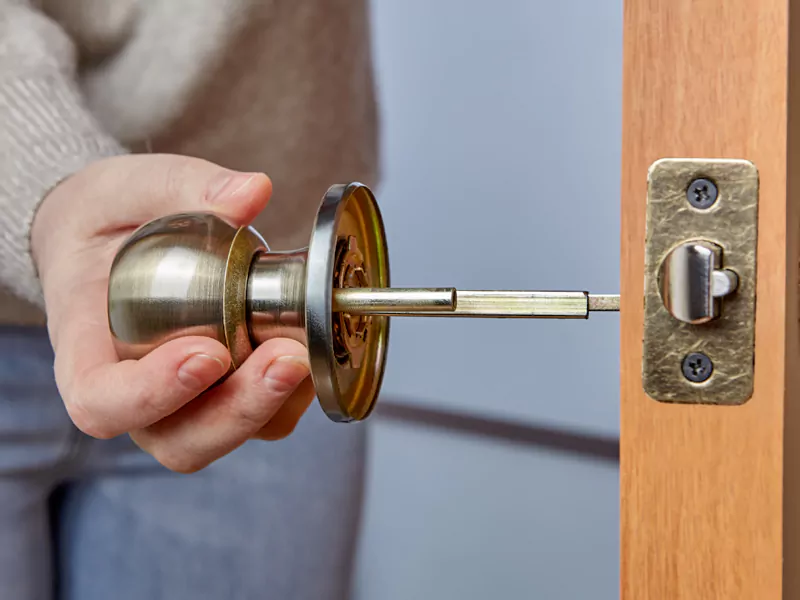
What Are Handle Lock Screws?
Handle lock screws are specialized fasteners designed to secure handles onto various surfaces, ensuring that they remain stable and do not loosen over time. Unlike standard screws, these screws often feature locking mechanisms or special thread designs that resist loosening due to vibrations, pressure, or tampering. Whether used in home doors, machinery, or automobiles, handle lock screws are designed to maintain the integrity of the handle’s attachment, preventing unwanted detachment that could compromise safety or functionality.
Types of Handle Lock Screws
Flathead Handle Lock Screws
Flathead handle lock screws have a tapered shape that allows them to sit flush with the surface they are fastening. This design is ideal for creating a smooth, even surface on doors, cabinets, and other fixtures where appearance matters. These screws are often used in residential doors and cabinets because of their unobtrusive look and secure fit. They are easy to install with a standard flathead screwdriver and provide a reliable hold for most general applications.
Phillips Head Handle Lock Screws
Phillips head handle lock screws feature a cross-shaped indentation on their head, allowing for better torque application during installation. This design helps prevent slipping during installation and provides a secure, tamper-resistant hold. These screws are commonly found in furniture assembly and door handle installations, offering both security and ease of use. The Phillips head design makes it easier to apply more torque, ensuring a tight and secure fit.
Hex Socket Handle Lock Screws
Hex socket handle lock screws are known for their durability and strength. With a hexagonal recess in the head, these screws require an Allen wrench or hex key for installation. This makes them ideal for industrial and heavy-duty applications, such as securing machinery handles, where a strong hold is critical. Their design allows for high torque application, which is necessary for maintaining secure attachments in high-vibration environments.
Materials Used for Handle Lock Screws
Stainless Steel
Stainless steel is one of the most popular materials used for handle lock screws due to its excellent corrosion resistance and durability. These screws are ideal for both indoor and outdoor applications, including marine environments, because they resist rust even when exposed to moisture. Stainless steel handle lock screws are strong, reliable, and capable of maintaining their integrity over time, making them a preferred choice for long-term security.
Brass
Brass handle lock screws offer both aesthetic appeal and rust resistance, making them suitable for decorative handles and antique fixtures. The material’s natural yellowish hue adds a touch of elegance, making it a popular choice for securing handles on vintage doors, furniture, and other ornamental elements. Brass screws are not as strong as stainless steel, but they provide sufficient security for light-duty applications.
Aluminum
Aluminum handle lock screws are lightweight yet strong, making them an excellent choice for applications where weight is a concern, such as in aviation or automotive industries. Although not as durable as steel, aluminum screws offer good corrosion resistance and are easy to install. They are often used in applications where a balance of strength and weight reduction is needed.
Carbon Steel
Carbon steel handle lock screws are known for their strength and durability. However, they are prone to rust if not properly coated or plated, making them less suitable for outdoor use unless treated. They are commonly used in high-stress applications such as securing heavy handles in industrial machinery, where their strength is an asset. When coated, carbon steel screws offer reliable performance and longevity.
Applications of Handle Lock Screws
Handle lock screws are versatile and used in a variety of applications. They are critical for securing door handles in homes and offices, ensuring that doors function properly and maintain safety. In industrial settings, these screws secure machinery handles, where strong attachment is necessary to withstand vibrations and heavy use. Additionally, handle lock screws play a role in the automotive industry, fastening internal and external vehicle handles to prevent rattling and maintain operational integrity.
Benefits of Using Handle Lock Screws
Handle lock screws provide numerous benefits, including enhanced security, easy installation, and exceptional durability. Their design allows them to lock securely into place, preventing tampering and reducing the risk of the handle loosening over time. Furthermore, their materials are chosen for their ability to withstand wear and tear, ensuring long-term reliability. Whether used in homes, industries, or vehicles, handle lock screws are integral to safety and stability.
How to Choose the Right Handle Lock Screw
When selecting handle lock screws, consider factors such as the type of handle, material compatibility, and screw size. Matching the screw material to the handle’s environment (e.g., stainless steel for wet areas) ensures better performance and longevity. Additionally, ensure that the screw’s size and threading fit the handle correctly for maximum security. Consulting a professional or hardware expert can help in making the best choice based on specific requirements.
Installation Guide for Handle Lock Screws
Installing handle lock screws requires basic tools like a screwdriver, Allen wrench, or hex key, depending on the screw type. Start by aligning the handle with the mounting holes and inserting the screw. Tighten the screw gradually, ensuring a snug fit without over-tightening, which could damage the threads. Proper installation ensures a secure attachment, minimizing the risk of the handle loosening over time.
Maintenance Tips for Handle Lock Screws
Regular maintenance of handle lock screws is essential for safety. Periodically check for loose screws, especially in high-traffic areas or machinery, and tighten them as needed. Cleaning the screws and handles prevents debris buildup, while occasional lubrication helps reduce friction and wear. Inspecting the screws for rust or damage can also extend their lifespan and ensure continued performance.
FAQs
What are handle lock screws used for?
Handle lock screws are used to secure handles in place across various applications, including residential doors, industrial machinery, and automotive panels. They ensure that handles remain firmly attached, enhancing safety and functionality.
How do I choose the right handle lock screw for my needs?
To choose the right handle lock screw, consider factors like the handle type, material compatibility, and the screw’s size. It’s crucial to match the material to the environment, such as stainless steel for moisture-prone areas.
Are stainless steel handle lock screws rust-proof?
Yes, stainless steel handle lock screws are highly resistant to rust, making them suitable for both indoor and outdoor use. Their corrosion resistance makes them a preferred choice in marine and humid environments.
Can I install handle lock screws myself?
Yes, installing handle lock screws is relatively simple and can be done using basic tools like a screwdriver or Allen wrench. Just ensure the handle is properly aligned and the screw is tightened securely.
What are the common materials used for handle lock screws?
Common materials include stainless steel, brass, aluminum, and carbon steel. Each material has its advantages, with stainless steel offering rust resistance, brass adding aesthetic appeal, aluminum providing lightweight strength, and carbon steel delivering high durability.
