
Electronic Door Locks: A Comprehensive Guide to Modern Access Control Solutions
In today's evolving security landscape, electronic door locks have transformed the way we secure residential, commercial, and industrial properties. The days of relying solely on traditional locks and keys are fading, as people turn to electronic solutions for enhanced security and convenience. From touchpads to biometric recognition, these advanced systems offer flexibility and smart features that traditional locks simply can't match. This comprehensive guide will dive deep into electronic door locks, covering everything from how they work to their future potential.
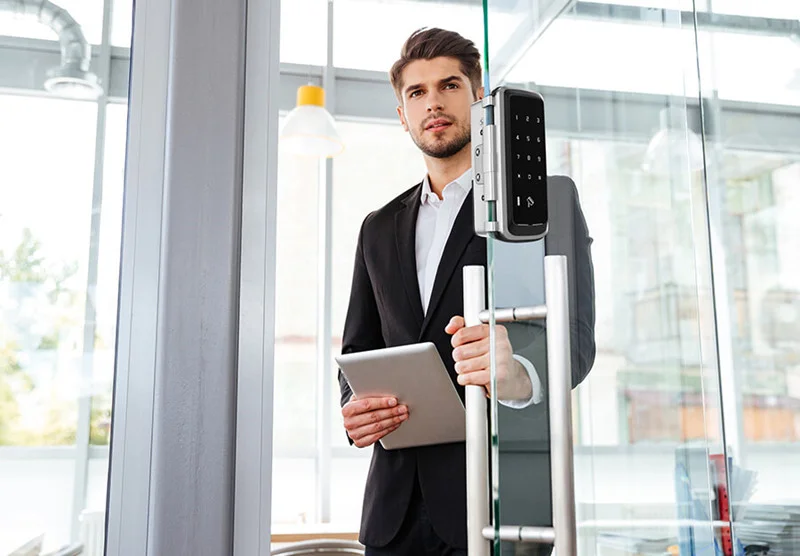
How Electronic Door Locks Work
Electronic door locks operate by replacing traditional keys with electronic mechanisms. Instead of turning a physical key, users can input a code, use a fingerprint, or even remotely unlock their doors through smartphone apps. These locks use electronic circuits and often have internal or external power sources, typically batteries. In some models, you’ll find hybrid systems that combine mechanical locks with electronic controls, providing a fail-safe option in case of power outages or system malfunctions. What makes electronic locks stand out is their ability to offer flexibility—allowing users to set unique codes for different individuals, track entry times, and even integrate with larger smart home systems.
Types of Electronic Door Locks
Keypad Locks
Keypad locks are among the most popular types of electronic door locks. Instead of using a physical key, users enter a numeric code on a keypad to unlock the door. This is particularly useful for residential or commercial properties where multiple people need access. The key advantage of keypad locks is their simplicity—they don't require complex installation, and codes can be changed quickly when necessary, such as when someone leaves a company or household.
Biometric Locks
Biometric locks are the future of access control, utilizing fingerprint, retinal, or facial recognition to unlock doors. They are often seen in high-security environments such as government buildings or research labs. With the unique nature of biometric data, these locks provide the highest level of security available. The technology is advancing rapidly, making these locks more affordable and accessible for residential use.
RFID and Card-Based Locks
RFID (Radio Frequency Identification) locks utilize keycards or fobs to unlock doors. These are commonly used in hotels and office environments, offering a straightforward way to manage access for large groups of people. The cards can be programmed for specific access rights, making it easy to manage multiple users, while the physical keycards can be quickly deactivated if lost.
Bluetooth and Wi-Fi Enabled Locks
Bluetooth and Wi-Fi enabled locks take convenience to a new level by allowing users to lock or unlock doors via smartphone apps. Bluetooth locks typically work when the smartphone is within range, while Wi-Fi locks allow users to manage access from anywhere in the world. This is perfect for busy individuals who want to grant access to visitors or service personnel when they're not home.
Smart Locks with Mobile App Integration
Smart locks that integrate with mobile apps provide the ultimate flexibility. These systems allow you to monitor access in real-time, lock or unlock your door remotely, and even receive notifications about who has entered your home or office. Many smart locks also integrate with other smart home devices like lighting systems and security cameras, offering a comprehensive smart home solution.
Advantages of Electronic Door Locks
Convenience and Ease of Use
One of the most attractive aspects of electronic door locks is how easy they make everyday access. Forget fumbling with keys when your hands are full or dealing with the hassle of replacing lost keys. A simple code or fingerprint scan is all it takes to get inside. Additionally, most electronic locks allow for temporary access codes, which is ideal if you're expecting guests or contractors.
Enhanced Security Features
Electronic door locks offer advanced security features, such as audit trails that track when and by whom a lock was accessed. Some models include tamper alarms and automatic locking functions, adding layers of protection. The flexibility to change access codes or remotely disable lost keycards further enhances security.
Remote Access and Control
With Wi-Fi enabled locks, you can manage access from virtually anywhere. This means you can let someone into your home even if you’re halfway across the world. The ability to control access remotely also adds a layer of security when managing multiple properties or allowing service personnel into your home.
Disadvantages of Electronic Door Locks
Power and Connectivity Issues
Like all electronic devices, these locks can experience power and connectivity issues. Battery-powered locks need regular battery replacements, and Wi-Fi-enabled locks may suffer from connectivity problems if your internet signal is weak. That said, many models have backup solutions, such as mechanical key overrides, to ensure that you aren’t locked out in case of technical issues.
Cost Considerations
Electronic locks tend to be more expensive than traditional mechanical locks. The initial cost, installation fees, and potential future maintenance can add up, especially for high-end models. However, the added convenience and security often make the investment worthwhile for many users.
How to Choose the Right Electronic Door Lock
Assessing Security Needs
The right lock depends on your specific security requirements. Are you securing a home, a business, or a high-security facility? Understanding the level of protection you need will help you choose the right electronic door lock, whether it's a simple keypad lock or an advanced biometric system.
Compatibility with Existing Systems
If you already have a smart home system in place, you’ll need to ensure that your new electronic lock is compatible with it. Some locks integrate seamlessly with systems like Google Home or Amazon Alexa, while others may require separate apps or hardware.
Budget and Installation Costs
Electronic door locks come in a wide range of prices. Simple keypad models can be relatively affordable, while biometric or Wi-Fi enabled locks can get quite expensive. You’ll also need to consider whether you can install the lock yourself or if professional installation is required.
Conclusion
Electronic door locks are rapidly becoming a staple in modern security systems. Whether you’re a homeowner looking for convenience or a business manager focused on security, these locks offer a range of solutions tailored to your needs. By understanding the different types of electronic door locks and their features, you can make an informed decision on the best lock for your property.
FAQs About Electronic Door Locks
Are electronic door locks safe?
Yes, electronic door locks are generally very safe, offering features like encryption, tamper alarms, and audit trails. They provide enhanced protection compared to traditional locks, but as with any technology, it’s important to choose a reputable brand and keep software updated.
What happens if the power goes out?
Most electronic door locks have backup power options, such as battery packs or mechanical key overrides. This ensures that you won’t be locked out even if the lock loses power. For Wi-Fi-enabled locks, the smart features may go offline, but manual access remains possible.
Can electronic door locks be hacked?
While no system is entirely immune to hacking, most high-quality electronic door locks use advanced encryption to prevent unauthorized access. Choosing a reputable brand and regularly updating the lock’s software can significantly minimize the risk of hacking.
How long do the batteries last in electronic locks?
Battery life varies depending on the lock’s model and features. On average, batteries last between six months to a year with regular use. Many locks offer low battery alerts, ensuring you’ll never be caught off guard when the battery needs replacement.
Can I install an electronic lock myself?
Many electronic locks are designed for easy DIY installation, especially keypad models. However, more complex systems, like biometric or smart locks with Wi-Fi integration, may require professional installation to ensure they function correctly.
