

Abstract
As fiber networks extend beyond controlled facilities into streets, industrial areas, and rural zones, securing these outdoor cabinets becomes mission critical. The Fiber Distribution Hub (FDH) serves as the central point for routing, splitting, and managing optical connections—but without a reliable Fiber Distribution Hub Lock, this vital infrastructure remains vulnerable.
A modern, high-security lock ensures that only authorized technicians can access network equipment, preventing outages and protecting data integrity across entire service areas. This article explores why Fiber Distribution Hub Locks are essential for fiber network security, the challenges operators face, and how advanced solutions—such as Vanma’s passive electronic locks—deliver stronger protection for modern telecommunications systems.
Fiber distribution hubs sit at a unique intersection of accessibility and vulnerability. Unlike core network facilities, FDHs are often installed outdoors or in semi-public spaces to reduce deployment costs and improve service reach. You’ll find them on sidewalks, near base stations, inside utility corridors, or at the edge of industrial facilities.
That convenience comes with risk.
A compromised fiber distribution hub doesn’t just affect a single connection. It can interrupt internet service, mobile backhaul, enterprise networks, smart city systems, or even emergency communications. A reliable Fiber Distribution Hub Lock is the first physical barrier preventing accidental damage, unauthorized access, or deliberate tampering.
Operators who underestimate the importance of the lock often learn the lesson the hard way—after a service outage, a customer escalation, or a costly repair.

Common Security Challenges Facing Fiber Distribution Hubs
Outdoor Exposure and Environmental Stress
Most fiber distribution hubs are exposed to harsh outdoor conditions year-round. Rain, dust, extreme heat, freezing temperatures, and corrosion all take a toll on traditional mechanical locks. Over time, locks seize up, corrode internally, or become misaligned—sometimes failing silently until technicians are unable to open or secure the cabinet properly.
A fiber optic cabinet lock must be designed specifically for outdoor deployment, not adapted from indoor use.
Shared Access by Multiple Teams
Fiber infrastructure is rarely maintained by a single team. Internal technicians, contractors, emergency response crews, and third-party service providers may all require access at different times. Without structured access control, keys get shared, copied, or forgotten.
When something goes wrong, the question becomes painfully familiar:
Who opened this hub last?
Lack of Traceability and Accountability
Traditional locks offer no audit trail. There is no way to confirm when a hub was accessed, by whom, or for what purpose. This lack of visibility makes troubleshooting slower and compliance reporting more difficult—especially in regulated environments.
Key Loss and Duplication Risks
What to Look for in a Fiber Distribution Hub Lock
Choosing the right Fiber Distribution Hub Lock is not just about using thick metal or heavy hardware. It involves selecting a lock system specifically designed for real outdoor fiber network conditions—where weather resistance, controlled access, and durability directly impact fiber distribution hub security.
Weatherproof and Corrosion-Resistant Design
A Fiber Distribution Hub Lock must work reliably outdoors for many years. It should resist rain, dust, heat, and cold. Stainless steel materials, sealed lock bodies, and high protection ratings help the lock stay functional over time instead of failing after short-term use.
Resistance to Forced Entry and Tampering
Controlled Authorization, Not Just Locking
Modern fiber networks need more than a door that stays closed. They need controlled access. Operators must clearly decide:
- Who is allowed to open each hub
- When access is allowed
- What work the access is for
Traditional keys cannot manage this level of control. A modern lock system helps reduce mistakes, limit access, and improve accountability.
Access Traceability
What Is the Suitable Fiber Distribution Hub Lock?
Choosing the right Fiber Distribution Hub Lock means finding the balance between durability, security, and practicality. A suitable lock must withstand outdoor conditions, prevent unauthorized access, and integrate smoothly with existing network operations. It should deliver both physical protection and access control intelligence, ensuring that only authorized personnel can open each cabinet.
For outdoor telecom environments, the ideal Fiber Distribution Hub Lock combines weatherproof construction with tamper resistance and traceable access. Stainless steel materials, sealed housings, and high IP protection ratings enhance long‑term reliability. When paired with electronic or passive electronic key systems, these locks also provide audit trails and permission management, allowing operators to manage large‑scale fiber networks securely and efficiently.
Mechanical Locks: Familiar but Limited
Mechanical locks are still widely used because they are inexpensive and simple. However, simplicity becomes a liability as networks scale. No audit trails, uncontrolled key duplication, and expensive rekeying make mechanical locks increasingly impractical for modern fiber deployments.
Electronic Locks: A Step Forward
Passive Electronic Locks: A Practical Middle Ground
How Vanma Improves Fiber Distribution Hub Security
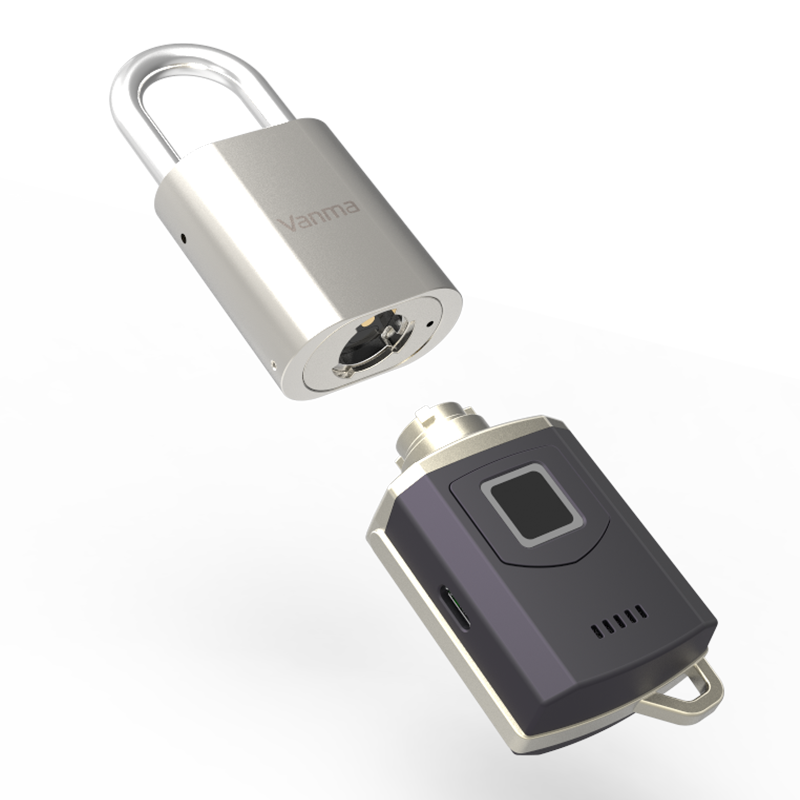

Permission-Based Access Control
No Batteries, No Wiring
Complete Access Traceability
Every unlock action is recorded with time and user identity. Logs can be uploaded later, providing full visibility without requiring constant connectivity.
Instant Lost-Key Control
If a key is lost, it can be disabled digitally. There’s no need to replace the Fiber Distribution Hub Lock itself—saving time, money, and operational disruption.
Built for Harsh Environments
Vanma locks are industrial-grade and designed to withstand outdoor exposure, vibration, and temperature extremes common in telecom deployments.
Industries That Depend on Secure Fiber Distribution Hub Locks
Fiber distribution hubs support far more than residential internet access.
- Telecom operators rely on FDHs for FTTH and 5G backhaul
- Transportation systems depend on fiber for signaling and control
- Utilities use fiber for monitoring and automation
- Smart city infrastructure depends on uninterrupted fiber connectivity.
In each case, physical access control is inseparable from network reliability.
Best Practices for Securing Fiber Distribution Hubs
- Deploy locks designed specifically for outdoor fiber enclosures
- Move away from uncontrolled mechanical key systems
- Implement role-based access permissions
- Maintain clear audit trails
- Inspect locks regularly as part of network maintenance
Security is not a one-time installation—it’s an ongoing operational discipline.
Conclusion
Fiber distribution hubs are the backbone of modern connectivity, yet they remain some of the most physically exposed components of the network. A weak or outdated Fiber Distribution Hub Lock compromises not only cabinet security but also the stability and reliability of the entire fiber infrastructure. Upgrading to a next-generation Fiber Distribution Hub Lock system ensures both physical protection and long-term network resilience.
Share:
Table of Contents
Try Vanma Electronic Lock
You can contact us to request samples, and to experience the convenience of Vanma electronic locks.
Contact Us NowChoose A Trusted Access Control Manufacturer for
Reliable Solutions
As a professional manufacturer of access control systems and electronic locks, Vanma offers high-quality solutions to protect your premises and assets. Contact us by filling out the form below to receive professional consultation and support.
