
Padlock seals are an essential part of many industries, providing a simple yet highly effective solution for ensuring the security and integrity of items in transit or storage. These seals are designed to lock padlocks in place and are often used in environments where tamper evidence is crucial. But what exactly are padlock seals, and why are they so important?
A padlock seal is typically a device that secures a padlock and serves as a deterrent to unauthorized access. They are often made of durable materials like steel or plastic and come with unique identification features such as serial numbers or barcodes, making them an essential tool in securing goods, equipment, and even sensitive locations.
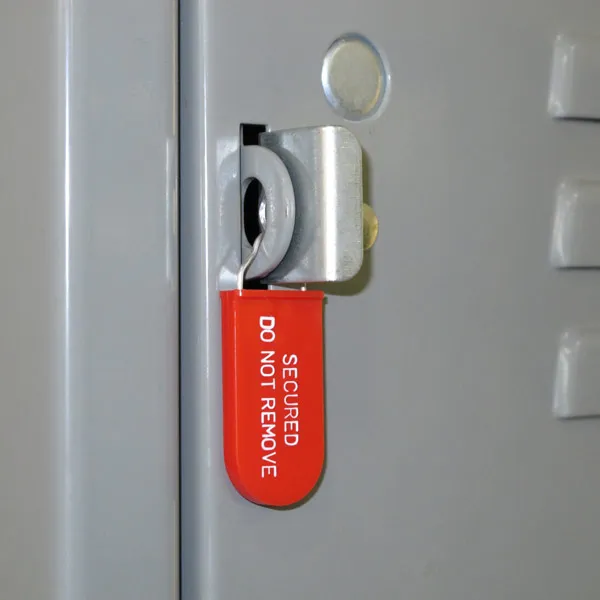
There are several types of padlock seals available, each designed to serve specific security needs. Understanding the different types can help you choose the best one for your situation.
These are the most common type of padlock seals, ideal for general security purposes. Standard padlock seals are made from tough materials like plastic or metal and are designed to prevent unauthorized access to sealed areas. They are often used for basic security in warehouses, transportation, and storage.
For situations requiring higher levels of security, heavy-duty padlock seals offer enhanced protection. Made from stronger materials, these seals are more resistant to tampering, making them ideal for securing high-value or sensitive items in challenging environments.
These seals are designed to show clear signs of tampering. Once removed or broken, they leave evidence that the seal has been disturbed, alerting security personnel to potential breaches. Tamper-evident padlock seals are commonly used in high-security applications like government facilities, shipping containers, and military zones.
In some cases, businesses may require padlock seals with custom features, such as specific colors, branding, or serial numbers. Custom padlock seals can provide an additional layer of security and help track and identify items more efficiently.
Padlock seals are crucial in maintaining security and preventing unauthorized access. Their simple yet effective design helps to deter thieves, protect valuable items, and ensure compliance with security regulations.
Padlock seals add an extra layer of security, especially when paired with a robust lock. They act as an immediate visual deterrent, signaling that tampering is not tolerated. This makes them an essential tool in sectors where security is paramount.
One of the primary functions of padlock seals is to prevent unauthorized access to goods, containers, or facilities. By securing locks, they make it more difficult for intruders to gain entry without detection.
Padlock seals can provide clear signs that tampering has occurred, such as broken seals or damaged locks. This quick identification helps security personnel act swiftly and mitigate potential risks.
Padlock seals are relatively simple devices, but their effectiveness lies in their design. Typically, a padlock seal consists of a tag or collar that fits around a padlock. The seal is secured in place by either a wire or a mechanism that cannot be tampered with easily.
When applied, the padlock seal locks the padlock in position and makes it impossible for the lock to be opened without breaking the seal. This creates a clear indication that tampering has occurred if the seal is damaged.
Padlock seals are made from a variety of materials, depending on the intended use. Common materials include high-strength plastic, metal, and sometimes even composite materials. The choice of material impacts the seal’s durability, strength, and resistance to tampering.
Padlock seals offer numerous benefits that make them a preferred choice for security and compliance across various industries.
Compared to other forms of security, padlock seals are an affordable solution. They provide reliable security without the need for expensive electronic systems or complex locking mechanisms.
Padlock seals can be used in many different industries, including logistics, construction, and government. They are versatile enough to be applied in a wide range of situations, from securing storage facilities to protecting shipping containers.
Padlock seals are designed to withstand harsh conditions, including extreme weather, rough handling, and tampering attempts. Their durability makes them an excellent long-term solution for securing valuable goods and assets.
Padlock seals are used in a variety of settings where security is a priority.
In the shipping industry, padlock seals are used to secure containers and trailers. This helps to ensure that goods remain intact during transit and that no unauthorized individuals can access the contents.
For warehouses and storage facilities, padlock seals provide an effective way to secure doors, gates, and storage units. They help protect inventory and ensure that items are stored safely.
Padlock seals are commonly used on construction sites to secure machinery, equipment, and materials. This helps prevent theft and protects valuable assets from unauthorized access.
In high-security environments, such as government buildings or military zones, padlock seals provide a crucial layer of protection. Their tamper-evident design helps ensure that sensitive areas remain secure.
Choosing the right padlock seal depends on a variety of factors, including the level of security required, environmental conditions, and whether customization is needed.
If you need high security, opt for heavy-duty or tamper-evident padlock seals. For standard applications, a regular padlock seal will suffice.
Think about where the padlock seal will be used. Will it be exposed to extreme temperatures or harsh weather? Choose a seal made from durable materials that can withstand these conditions.
If your security needs are unique, consider custom padlock seals that feature specific branding, serial numbers, or other identifying features.
How do padlock seals stack up against other security options, like traditional locks or electronic systems?
Padlock seals are a more visible form of security than traditional locks, making them an effective deterrent. Unlike regular locks, padlock seals also offer tamper evidence, which traditional locks cannot provide.
While electronic security systems are great for high-tech environments, they can be costly and require ongoing maintenance. Padlock seals are a cost-effective, low-maintenance alternative that still offers reliable security.
Proper application of padlock seals ensures their effectiveness. Here's a simple guide to applying them correctly:
1. Select the appropriate padlock seal for your needs.
2. Insert the padlock into the locking mechanism.
3. Apply the padlock seal by securing it around the padlock.
4. Check that the seal is properly affixed and tamper-proof.
Using a seal that is too weak for the security required or applying the seal incorrectly could leave it vulnerable to tampering. Always ensure the seal is securely applied and appropriate for your security needs.
Removing a padlock seal should be done with care to avoid damage to the goods or the surrounding environment. Here’s how to do it safely:
Typically, you'll need a pair of wire cutters or a special seal removal tool. Ensure that you use the right tools to avoid damaging the equipment or goods being secured.
When removing the seal, take care to handle the goods or equipment gently, ensuring that no tampering or damage occurs during the process.
Padlock seals play an important role in ensuring that businesses meet regulatory requirements for security and compliance.
In many industries, using padlock seals helps companies meet regulatory standards for security, such as those set by the International Organization for Standardization (ISO).
Padlock seals provide an effective way to demonstrate compliance with security protocols, especially in high-security industries like transportation, defense, and healthcare.
Maintaining padlock seals ensures their long-term reliability. Here’s how to keep them in top condition:
Regularly inspect the seals to ensure they are still intact and functioning properly. Look for signs of wear and tear, and replace damaged seals as needed.
Store unused seals in a cool, dry place to prevent deterioration. Handle them carefully to avoid damage before they are applied.
Padlock seals continue to evolve, with technological advancements making them even more secure and versatile.
The future may bring smart padlock seals with tracking and monitoring features, integrating with digital security systems for enhanced protection.
As industries continue to expand and security needs grow, padlock seals are likely to see wider adoption, especially in sectors like logistics, construction, and government.
Padlock seals are an essential part of modern security systems, offering a reliable and cost-effective way to protect assets and prevent unauthorized access. With various types available, you can find the perfect seal to meet your security needs, whether for shipping, warehousing, or compliance. By choosing the right padlock seal and using it correctly, you can enhance security, prevent tampering, and ensure the safe transportation and storage of goods.
Padlock seals are commonly made from plastic, metal, or composite materials, depending on their intended use. These materials offer varying degrees of strength, durability, and resistance to tampering.
Padlock seals are generally more secure than regular locks due to their tamper-evident design. Once broken, they leave clear evidence of tampering, which regular locks do not offer. Additionally, they are often paired with high-quality padlocks for enhanced security.
Yes, padlock seals can be customized with features such as serial numbers, colors, and branding. This can help enhance security by allowing businesses to track and identify seals more easily.
The lifespan of a padlock seal depends on the material used and the environment in which it is used. Seals made from high-strength plastic or metal can last from a few months to several years when properly maintained.
Yes, many padlock seals are designed to withstand outdoor conditions, including extreme weather, UV exposure, and rough handling. They are made from durable materials that ensure long-lasting performance even in harsh environments.
