
Why More Businesses Are Switching to Door Lock Electronic Systems
A traditional metal key used to be enough for most buildings, storage rooms, cabinets, and equipment areas. That is no longer true. Today, lock bypass tools, copied keys, internal theft, and weak access tracking create serious security problems for businesses of every size. This is exactly why more companies are investing in a modern door lock electronic system instead of relying only on ordinary mechanical locks. The change is not happening only in office buildings. Telecom companies, logistics operators, electrical utilities, warehouses, transportation systems, and even banks are moving toward electronic access control because traditional locks leave too many blind spots in daily operations.
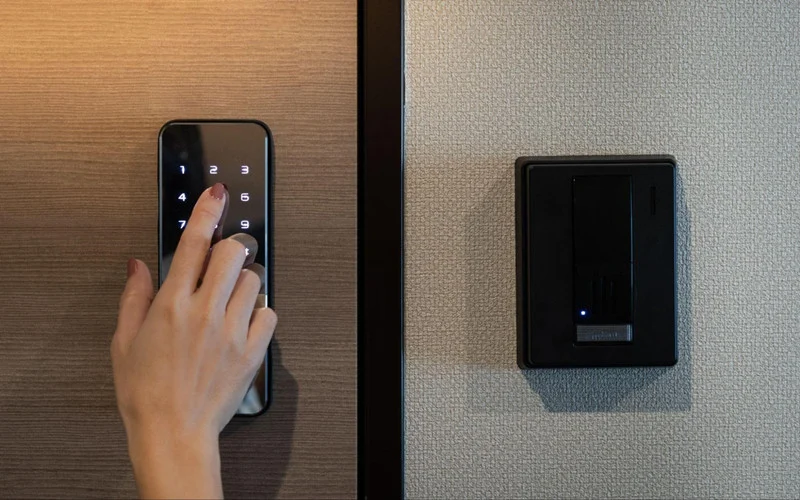
One of the biggest issues with ordinary locks is not only forced entry. In many real situations, the problem starts internally. A copied key, a lost key, or a former employee with access can create major risks without anyone realizing it. Mechanical locks also provide no operation history. If a cabinet was opened at midnight, there is no reliable record showing who entered, how long they stayed, or whether the door was properly secured afterward. A modern electronic locking system changes that completely. Instead of only depending on metal key teeth and internal lock pins, the system combines identity verification, encrypted authorization, audit trails, and digital permission management into one connected security process.
The market shift is especially obvious in outdoor and industrial environments. Traditional electronic locks often rely on internal batteries, but batteries create maintenance headaches in harsh weather conditions. Passive electronic lock systems solve this problem differently. The lock body itself contains no battery, which greatly improves long-term reliability in rain, dust, freezing temperatures, or high heat environments. According to Vanma lock system documentation, passive electronic locks are already used in power substations, telecom cabinets, railway infrastructure, oil facilities, and logistics transportation because they combine physical security with operation tracking and permission control. This is becoming less of a luxury feature and more of a standard requirement for modern facility management.
Why Traditional Locks Create More Security Problems Today
Many businesses still assume that if a door is physically locked, the area is secure. Unfortunately, modern security threats do not work that way anymore. A traditional lock only checks whether a physical key fits the cylinder. It does not verify who the user is, whether the access is authorized for that time period, or whether the action should be recorded. Once a key is copied or shared, the entire security system becomes difficult to control. This creates major operational risks in environments where multiple teams, contractors, or outside vendors need temporary access to sensitive equipment.
Another issue is that mechanical locks are difficult to scale across large facilities. Think about a telecom operator managing thousands of outdoor cabinets across multiple cities. Or a warehouse company operating several loading stations with different staff shifts every day. Using traditional keys means handling large key inventories, managing physical handovers, replacing lost keys, and constantly worrying about unauthorized duplication. Even worse, managers cannot easily verify whether employees actually followed proper opening and closing procedures.
Electronic access systems solve these problems by changing how authorization works. Instead of depending only on physical key patterns, users receive digital permissions tied directly to their identity. Permissions can be limited by time, location, or operation type. If a key is lost, the authorization can immediately be removed from the system without replacing the physical lock itself. This dramatically reduces long-term security exposure and helps businesses maintain tighter operational control.
What Makes a Door Lock Electronic System Different
A modern door lock electronic solution is much more than a digital version of a regular lock. It is an integrated access management platform designed to control, record, and monitor security operations. Most systems include several components working together: electronic locks, encrypted smart keys or credentials, management software, communication tools, and cloud or local operation records. Together, these components create a security structure that provides visibility instead of simple physical restriction.
One of the biggest advantages of electronic locking is that it creates accountability. Every opening attempt can be connected to a real user identity instead of an anonymous metal key. In industries like utilities, logistics, or banking, this matters enormously because management teams need reliable audit records for compliance and operational investigations. If something goes wrong, they can quickly identify who accessed the location and when the activity occurred.
Passive electronic locking systems add another layer of practicality because they eliminate battery maintenance inside the lock body. The electronic key temporarily powers the lock during operation. This approach works especially well in remote or outdoor locations where replacing batteries across hundreds or thousands of locks would otherwise become extremely expensive and time-consuming. Vanma passive lock systems use encrypted authentication combined with battery-free lock bodies to improve both reliability and operational efficiency.
How Electronic Locks Reduce Lock Picking Risks
Mechanical lock picking works because traditional locks depend on internal pin structures that can be manipulated physically. Attackers use bump keys, tension tools, or other bypass methods to align those pins and rotate the cylinder. Electronic locks reduce this risk because access depends on encrypted communication and digital identity verification instead of simple physical pin alignment. In other words, even if someone physically touches the lock, they still need valid electronic authorization before access is granted.
This changes the entire security model. A passive electronic lock can require encrypted authentication between the lock and the electronic key before the mechanism activates. Some systems also support fingerprint verification, mobile approval workflows, or temporary digital permissions. This means security no longer depends only on preventing physical picking attempts. It also depends on controlling identity, permission levels, and access schedules.
Industrial environments especially benefit from this approach. In telecom infrastructure, for example, field engineers may need temporary access to cabinets located across several cities. Instead of distributing physical keys permanently, managers can authorize access remotely for specific jobs and time windows. A telecom cabinet project in Peru used electronic lock permissions and operation uploads to simplify engineer access while improving management oversight. The system allowed engineers to keep smart keys while receiving digital authorization remotely when maintenance work was needed. :contentReference[oaicite:2]{index=2}
Mechanical Locks vs Electronic Locks
| Feature | Mechanical Lock | Electronic Lock System |
|---|---|---|
| Operation Tracking | No access records | Automatic audit logs |
| Lost Key Management | Requires rekeying | Credential can be disabled instantly |
| Temporary Access | Difficult to control | Easy to schedule and revoke |
| Outdoor Reliability | Can corrode over time | Passive systems support harsh conditions |
| Access Permissions | One key often opens multiple locks | Permissions tied to user identity |
| Security Visibility | No monitoring | Real-time operation records |
At first glance, electronic systems may appear more expensive than ordinary locks. But long-term operating costs often tell a completely different story. Mechanical systems create hidden expenses through lost keys, rekeying, unauthorized duplication, manual audits, and internal security incidents. Electronic systems reduce many of these problems because permissions can be updated digitally without replacing physical hardware.
Passive electronic lock systems are particularly attractive in industrial sectors because they eliminate battery replacement costs inside the lock body itself. This is important for utility companies, transportation systems, or telecom operators that may manage thousands of outdoor locks spread across large geographic regions. Reducing maintenance visits alone can create major savings over several years of operation.
Industries Using Door Lock Electronic Solutions Most
Telecom Infrastructure and Utility Networks
Telecom operators manage huge numbers of outdoor cabinets, network boxes, and communication shelters. These assets are usually spread across highways, cities, remote villages, and industrial zones. Traditional key systems create serious management challenges because engineers need fast access while companies still need strict operation control. Passive electronic locks help solve this balance by combining flexible authorization with complete operation visibility.
The same pattern exists in electrical infrastructure. Substations, power cabinets, and monitoring equipment require reliable access management without creating heavy maintenance burdens. According to Vanma application data, electronic locking systems are widely used in substations, power cabinets, transformer stations, and utility monitoring systems because they reduce unauthorized opening risks while recording every operation automatically.
Warehouses and Logistics Facilities
Warehouse operations face a different type of security challenge. The problem is often not external attacks but internal inventory control and access management. Managers need to know who opened storage areas, when cargo was accessed, and whether loading procedures followed company rules. Traditional locks create almost no operational visibility in these situations.
Electronic lock systems improve accountability by connecting every access event to a specific employee or contractor. Some logistics companies also use temporary task permissions to control loading windows and reduce unauthorized activity. In rail logistics projects, electronic locks have been used on container systems where operation records and location-based opening control improved cargo security across multiple unloading destinations.
Banks and High-Security Storage Areas
Financial environments require even stricter security standards because operation tracking is just as important as physical protection. Cash boxes, ATM maintenance panels, and secure storage rooms cannot rely only on mechanical keys anymore. Banks need systems that support identity verification, operation records, and controlled authorization workflows.
Electronic lock systems provide these capabilities through features like fingerprint authentication, dual authorization, time-limited permissions, and operation logs. This helps institutions reduce internal risks while also improving compliance with security audit requirements. The ability to review access records quickly after incidents is one of the strongest operational advantages electronic systems provide.
Why Passive Electronic Locks Are Growing Fast
One of the biggest reasons passive electronic locks are gaining popularity is reliability. Traditional powered locks depend heavily on batteries or external wiring. Batteries fail, especially outdoors. Wiring increases installation complexity and maintenance costs. Passive systems remove both problems by allowing the electronic key to provide temporary operating power directly to the lock.
This makes passive locks extremely useful in environments where long-term stability matters more than decorative smart-home features. Utility companies, railway operators, telecom providers, and industrial facilities often care less about mobile apps and more about durability, maintenance reduction, and audit control. Passive electronic locks match those priorities very well.
Vanma lock documentation describes passive lock systems designed for IP68 protection, AES256 encrypted authentication, industrial-grade materials, and harsh-environment operation. The systems are already deployed across transportation, utilities, logistics, telecom, and energy infrastructure projects internationally.
How Audit Trails Improve Security Investigations
One of the biggest operational advantages of a door lock electronic system is the audit trail. Traditional locks provide almost no reliable information after a security incident. If equipment goes missing or unauthorized access happens overnight, investigators often have no way to determine exactly who entered the area.
Electronic systems change this completely. Access logs can include user identity, opening time, location information, operation duration, and lock status. Some systems also support GPS-linked operation records, which are extremely useful for field infrastructure and transportation projects. This type of visibility improves investigations, strengthens employee accountability, and often discourages misuse before it even occurs.
Many organizations discover that electronic audit records improve operational discipline naturally. When employees know actions are recorded automatically, procedures are more likely to be followed correctly. This creates both security benefits and operational improvements across the organization.
How to Choose the Right Door Lock Electronic System
Choosing the right system depends heavily on the operating environment. Office buildings, warehouses, telecom cabinets, and industrial facilities all have different priorities. Some organizations need simple indoor access management. Others require weather-resistant industrial locks capable of operating across remote outdoor locations with no power source nearby.
Before selecting a system, businesses should evaluate several important factors:
- Indoor or outdoor installation environment
- Expected temperature and humidity conditions
- Number of locks and users
- Temporary access requirements
- Audit and compliance expectations
- Network availability
- Maintenance resources available
For many industrial sectors, passive electronic locks offer a better balance between security, maintenance reduction, and long-term reliability. Instead of constantly replacing batteries or dealing with key duplication issues, organizations gain centralized access control combined with rugged physical protection.
Conclusion
Security expectations have changed dramatically over the last decade. Businesses are no longer satisfied with simple locks that only keep doors closed. They need systems that control access, record operations, reduce internal risks, and adapt to complex working environments. That is exactly why the demand for door lock electronic systems continues to grow across industries worldwide.
Electronic locking is no longer limited to luxury office buildings or smart homes. It is now becoming standard infrastructure for utilities, transportation systems, logistics companies, telecom operators, and industrial facilities that require stronger access control and operational visibility. Passive electronic locks are especially important because they combine digital security management with the durability required for outdoor industrial environments.
The future of physical security is not simply about making locks harder to break. It is about creating smarter access management that connects identity, authorization, accountability, and operational control into one reliable system.
FAQ
Are electronic locks safer than traditional mechanical locks?
In most commercial and industrial environments, yes. Electronic locks provide identity-based authorization, access logs, and permission control that traditional locks cannot offer. They also reduce risks associated with copied or lost keys because digital credentials can be removed immediately.
Can passive electronic locks work without batteries?
Yes. Passive electronic locks do not contain batteries inside the lock body. The electronic key temporarily powers the lock during operation. This design reduces maintenance requirements significantly and improves reliability in outdoor environments.
Where are electronic lock systems commonly used?
Electronic lock systems are widely used in telecom infrastructure, substations, warehouses, transportation systems, industrial facilities, banks, and logistics operations. They are especially useful where operation tracking and permission management are important.
What happens if an employee loses an electronic key?
Most systems allow administrators to disable the lost credential immediately through the management platform. This prevents unauthorized access without requiring every lock to be replaced physically.
Why are passive electronic locks popular in industrial environments?
Industrial facilities often operate in harsh outdoor conditions where batteries and wired systems create maintenance problems. Passive electronic locks eliminate battery maintenance inside the lock body while still providing encrypted authorization and audit trail functions.

