
Use cabinet locking bars for added security
Keeping your cabinets secure is a vital part of protecting your belongings. Whether it’s important documents, expensive equipment, or sensitive information, cabinets are often the go-to storage units in offices, homes, and industrial environments. A cabinet lock bar can help you ensure that these spaces are secure from theft, tampering, or unauthorized access. In this comprehensive guide, we’ll dive deep into everything you need to know about cabinet lock bars—their types, how they work, benefits, and installation processes.
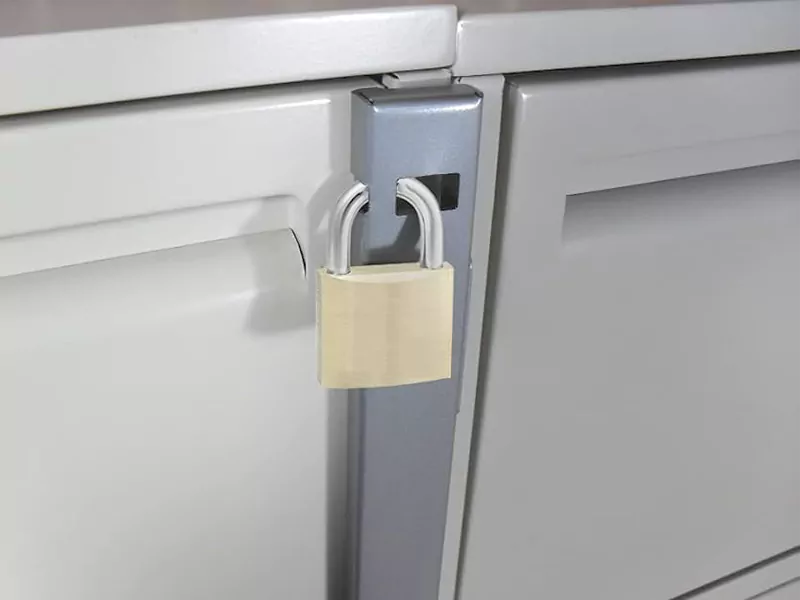
What is a Cabinet Lock Bar?
A cabinet lock bar is a physical security device designed to be mounted on the exterior or interior of a cabinet. It consists of a metal bar, typically made from sturdy materials like steel or aluminum, which locks across the cabinet door to prevent it from being opened without the appropriate key or unlocking mechanism. Cabinet lock bars come in various sizes and styles to fit different cabinet types, ensuring that your valuable items are safely stored and only accessible by authorized individuals.
Importance of Cabinet Lock Bars in Security
With increasing concerns about security, especially in offices, retail stores, and other environments, cabinet lock bars have become essential tools for enhancing security. They offer an additional layer of protection by making it harder for unauthorized individuals to access the contents of the cabinet. A simple lock on a cabinet door may not always suffice, particularly when more valuable or sensitive items are involved. The lock bar adds a physical deterrent, making it significantly more challenging for thieves to gain entry without proper authorization.
Types of Cabinet Lock Bars
Horizontal Lock Bars
Horizontal lock bars are designed to run across the width of the cabinet. These are ideal for smaller or standard-sized cabinets where horizontal security can cover multiple drawers or doors simultaneously. They provide a wide locking point, ensuring that no part of the cabinet can be easily pried open. Horizontal lock bars are often used in industrial settings or smaller offices, where multiple access points need to be secured with a single locking mechanism.
Vertical Lock Bars
Vertical lock bars are long bars that extend from the top to the bottom of the cabinet. These are typically used on larger or taller cabinets that require full-length protection. They ensure that both the upper and lower portions of the cabinet are securely locked. Vertical lock bars are popular in environments like medical facilities or retail stores, where large cabinets hold sensitive or valuable items that need to be securely locked from all angles.
Keyed vs Keyless Lock Bars
Cabinet lock bars come in both keyed and keyless varieties. Keyed lock bars use a traditional key-and-lock system, providing simple, secure access. Keyless lock bars, on the other hand, rely on combination locks, push-button systems, or even electronic keypads, providing flexibility and convenience. With a keyless lock bar, there's no need to keep track of multiple keys—simply enter the correct code or combination to gain access. These are becoming increasingly popular in modern offices and homes, where convenience and flexibility are key considerations.
Benefits of Using Cabinet Lock Bars
Enhanced Security
Cabinet lock bars provide an added layer of security that standard cabinet locks simply can’t offer. Because the bar runs across the cabinet doors, it prevents unauthorized users from prying open the cabinet or forcing their way in. This makes cabinet lock bars particularly useful in environments where high-value items are stored, such as in medical facilities, retail stores, or warehouses.
Versatility Across Different Applications
Cabinet lock bars are not limited to specific environments. They can be used in offices, schools, retail stores, and even homes. Their design makes them suitable for a wide range of applications, from securing tools and equipment in industrial settings to protecting personal items in home cabinets. This versatility makes cabinet lock bars a highly valuable addition to any security system.
Easy Installation
One of the most significant benefits of cabinet lock bars is their ease of installation. Most lock bars come with straightforward instructions and require minimal tools. In many cases, a basic screwdriver and drill are all you need to get the lock bar installed and ready to use. This makes them an attractive option for individuals and businesses looking for a fast, effective security upgrade.
How Cabinet Lock Bars Work
Basic Mechanism
A cabinet lock bar works by physically barring the cabinet doors from being opened without unlocking the bar itself. When the bar is locked in place, it prevents the cabinet doors from swinging open, no matter how much force is applied. Unlocking the bar requires a key, a combination, or another unlocking mechanism, depending on the type of lock bar being used.
Compatibility with Different Cabinets
Cabinet lock bars are designed to be compatible with a wide range of cabinet styles and sizes. Whether you have a wooden filing cabinet, a metal office cabinet, or even a glass display case, there’s likely a lock bar that fits your needs. When choosing a lock bar, it’s essential to measure your cabinet to ensure a perfect fit, as different models are designed for different sizes and types of cabinets.
Choosing the Right Cabinet Lock Bar
Materials to Consider
Cabinet lock bars are typically made from either steel or aluminum, both of which offer excellent security. Steel is more durable and resistant to tampering, making it ideal for high-security environments. Aluminum, while slightly less durable than steel, is lighter and easier to handle, which may be a consideration if you're installing multiple lock bars.
Size and Fit
It’s crucial to choose a lock bar that fits your cabinet correctly. If the bar is too small, it won’t provide adequate protection; if it’s too large, it may be cumbersome to use. Before purchasing a cabinet lock bar, take accurate measurements of your cabinet’s height, width, and door style to ensure the lock bar will fit and function properly.
Locking Mechanism: Keyed, Keyless, or Digital?
The locking mechanism is an essential part of any cabinet lock bar. If security is your top priority, a keyed lock may be the best option, as it provides a physical key that only authorized individuals can use. Keyless options, such as combination locks, offer more flexibility, while digital lock bars offer the highest level of convenience and control. Choose the locking mechanism that best fits your needs based on how often you’ll need access to the cabinet and who will be using it.
Industries That Benefit from Cabinet Lock Bars
Office Environments
Offices often store sensitive information such as employee files, financial records, and proprietary documents. Cabinet lock bars provide an extra layer of protection, ensuring that only authorized individuals have access to these critical files. They are particularly beneficial in shared office spaces, where multiple people may have access to the same storage areas.
Healthcare Facilities
Healthcare facilities store vast amounts of confidential patient information and medications. Cabinet lock bars can help ensure that only authorized personnel have access to these sensitive items, preventing theft and unauthorized access. Their use is critical in maintaining the privacy and security of patient information in hospitals, clinics, and medical offices.
Retail Stores
In retail environments, high-value inventory such as electronics, jewelry, and cash registers require secure storage solutions. Cabinet lock bars provide a simple and effective way to prevent theft by adding a barrier that requires authorized access. Many retailers use lock bars in back rooms, storage areas, and even on display cabinets to keep their merchandise secure.
Industrial Applications
Industrial settings often involve the storage of expensive tools, equipment, and materials. Cabinet lock bars provide an excellent solution for securing these items and ensuring that only authorized employees can access them. By adding a lock bar to tool chests, storage cabinets, and supply rooms, businesses can prevent theft and unauthorized use of valuable equipment.
Conclusion
Cabinet lock bars are an effective, versatile, and easy-to-install solution for enhancing the security of cabinets in a wide range of settings. Whether you’re securing sensitive documents in an office, valuable inventory in a retail store, or tools and equipment in an industrial environment, a cabinet lock bar can provide the peace of mind you need. By choosing the right lock bar for your needs and following proper installation and maintenance steps, you can ensure your valuable items are always protected.
FAQs
What makes a cabinet lock bar secure?
A cabinet lock bar is secure because it creates a physical barrier that prevents unauthorized access. Made from durable materials like steel or aluminum, it is designed to withstand tampering, prying, or force. The locking mechanism also plays a role in its security, with options ranging from keyed locks to more advanced keyless or digital systems, making it difficult for intruders to gain entry without proper authorization.
Can I use cabinet lock bars on wooden cabinets?
Yes, cabinet lock bars can be used on wooden cabinets as well as metal or glass cabinets. When choosing a lock bar for a wooden cabinet, it’s essential to ensure that the bar is installed correctly and fits the cabinet’s dimensions. Wooden cabinets may require extra care during installation to avoid damaging the wood, but with the right tools, lock bars can provide excellent security on wooden surfaces.
How long do cabinet lock bars last?
Cabinet lock bars are built to last for many years, especially when made from high-quality materials like steel. With proper maintenance, such as regular inspection and lubrication of the locking mechanism, a cabinet lock bar can remain functional and secure for a long time. It’s also important to ensure the bar isn’t exposed to excessive moisture or corrosive elements, as this could shorten its lifespan.
Are there child-proof cabinet lock bars?
Yes, there are child-proof cabinet lock bars available, designed specifically for use in homes or daycare environments where child safety is a priority. These lock bars usually feature more complex locking mechanisms that children cannot easily open, such as combination locks or push-button systems. They provide an excellent way to ensure children cannot access potentially dangerous items in cabinets, such as cleaning supplies or sharp tools.
What’s the difference between a cabinet lock bar and a regular lock?
A cabinet lock bar differs from a regular lock in that it provides full-length protection across the cabinet door(s), rather than just securing one point like a traditional lock. This makes it much harder to pry open or tamper with the cabinet. While regular locks can be effective for basic security, a lock bar offers an added layer of defense, particularly for high-value or sensitive items stored in cabinets.
