
Understanding RFID Cabinet Locks: A Complete Guide
Introduction
RFID cabinet locks represent a modern and efficient way to secure cabinets, offering convenience and enhanced security. This guide explores the various aspects of RFID cabinet locks, from their functionality to installation tips.
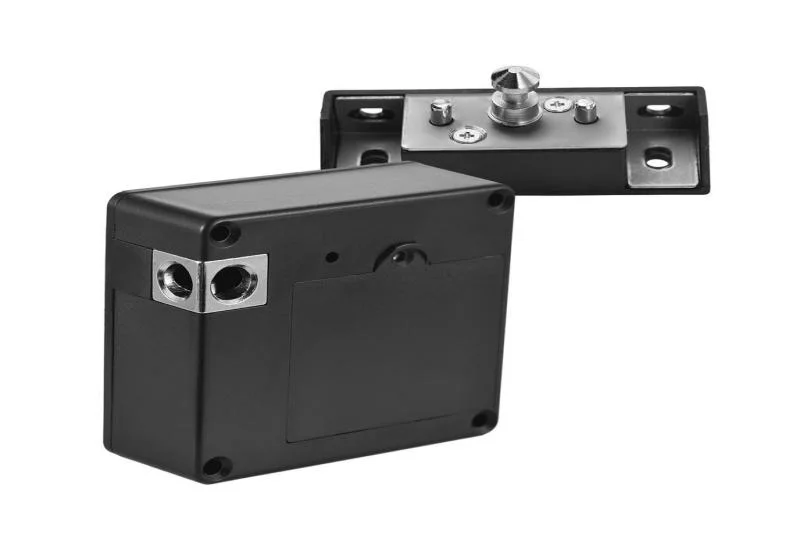
What are RFID Cabinet Locks?
RFID cabinet locks utilize Radio Frequency Identification technology to secure cabinets. They operate by using RFID tags or cards that communicate wirelessly with the lock, allowing for keyless access.
Types of RFID Cabinet Locks
Card vs. Tag-based Systems
RFID cabinet locks can be categorized into systems that use RFID cards or tags. Cards are similar to credit cards and can be carried in a wallet, while tags are smaller and can be attached to a keychain or badge.
Battery-powered vs. Wired Systems
Some RFID locks are battery-powered, offering flexibility in installation locations. Others are wired directly to a power source, ensuring continuous operation without the need for battery changes.
High-Frequency vs. Low-Frequency Systems
High-frequency RFID systems offer faster communication between the tag/card and the lock, while low-frequency systems may be more suitable for specific security requirements or environmental conditions.
Benefits of Using RFID Cabinet Locks
RFID cabinet locks provide several advantages, including keyless access, enhanced security through encryption, audit trails for access monitoring, and ease of use in environments requiring frequent access.
Factors to Consider Before Installing
Before choosing an RFID cabinet lock, consider factors such as compatibility with cabinet material, power source requirements, the number of users, and integration with existing security systems.
How to Install RFID Cabinet Locks
Tools Required for Installation
Tools typically needed include a screwdriver, drill, measuring tape, and possibly a template provided by the lock manufacturer for accurate placement.
Step-by-Step Installation Guide
1. Determine the appropriate location for the RFID reader and lock mechanism on the cabinet.
2. Install the RFID reader according to the manufacturer's instructions, ensuring it is securely mounted and wired if necessary.
3. Program RFID tags/cards using the lock's programming mode or software.
4. Test the system to ensure proper functionality and adjust settings as needed.
2. Install the RFID reader according to the manufacturer's instructions, ensuring it is securely mounted and wired if necessary.
3. Program RFID tags/cards using the lock's programming mode or software.
4. Test the system to ensure proper functionality and adjust settings as needed.
Maintenance Tips for RFID Cabinet Locks
Regularly inspect and clean RFID readers and tags/cards to ensure optimal performance. Check battery-powered locks for battery life and replace batteries as needed.
Common Issues with RFID Cabinet Locks
Troubleshooting and Solutions
Issues such as tag/card detection failures can often be resolved by reprogramming tags/cards or adjusting the proximity of the tag/card to the reader. Battery-powered locks may require battery replacement if they fail to operate.
Upgrading Your Cabinet Security
Consider upgrading to RFID cabinet locks for improved security features, especially in environments requiring strict access control and audit capabilities.
Where to Buy Quality RFID Cabinet Locks
Quality RFID cabinet locks are available from security equipment suppliers, locksmiths specializing in electronic locks, and online retailers offering a range of options to suit different security needs.
Conclusion
RFID cabinet locks offer a sophisticated solution for securing cabinets with keyless access and enhanced security features. By understanding their types, installation process, and maintenance requirements, users can effectively integrate these locks into various environments.
Unique FAQs About RFID Cabinet Locks
How do RFID cabinet locks work?
RFID cabinet locks use radio frequency signals to communicate between the lock and RFID tags/cards, allowing authorized access without physical keys.
Are RFID cabinet locks secure?
Yes, RFID cabinet locks offer enhanced security features such as encryption and audit trails, making them suitable for environments requiring controlled access.
Can RFID cabinet locks be hacked?
While no system is entirely immune to hacking, RFID cabinet locks employ encryption and secure protocols to minimize unauthorized access risks.
Do RFID cabinet locks require batteries?
Battery-powered RFID locks require batteries for operation. Wired systems do not rely on batteries but require a continuous power source.
Can RFID cabinet locks integrate with existing security systems?
Yes, many RFID cabinet locks are designed to integrate seamlessly with existing security systems, providing a comprehensive security solution.
