
Understanding Door Access Control Systems: A Comprehensive Guide
Introduction
In a world where security is an ever-growing concern, door access control systems have become an indispensable tool for safeguarding both residential and commercial properties. These systems have evolved significantly from the traditional lock and key mechanisms to highly sophisticated digital and biometric solutions. The primary purpose of these systems is to regulate who is allowed to enter or exit a specific area, thus preventing unauthorized access and ensuring the safety of the premises. As we delve deeper into this article, we'll explore the various types of door access control systems, their workings, and the myriad benefits they offer.
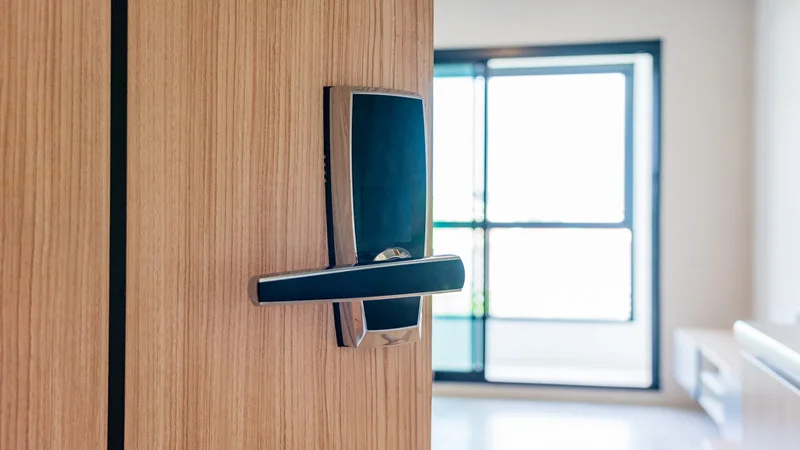
What is a Door Access Control System?
Definition and Purpose
A door access control system is a security mechanism that manages the entry and exit of individuals through doors within a building. These systems go beyond traditional locks by utilizing electronic and digital technologies to enhance security. The primary purpose is to ensure that only authorized individuals can gain access to specific areas, thereby protecting valuable assets, sensitive information, and personal safety. The evolution of access control systems reflects the increasing demand for higher security standards in various sectors, from corporate offices to residential homes.
Historical Evolution of Access Control
The concept of controlling access dates back to ancient civilizations, where rudimentary locks and barriers were used to protect possessions and ensure privacy. Over the centuries, these methods have evolved significantly. The industrial revolution brought about the development of mechanical locks, which became the standard for many years. However, with the advent of digital technology, the 20th and 21st centuries saw a significant transformation in access control systems. Today, we have moved from simple mechanical locks to complex electronic systems that integrate with various security measures, providing a robust solution for modern security challenges.
Types of Door Access Control Systems
Physical Keys and Locks
Physical keys and locks are the most traditional form of access control, and they are still widely used today. These systems are simple and cost-effective, making them a popular choice for residential properties and small businesses. However, they have significant limitations, such as the risk of key duplication, loss, and the lack of access tracking. Despite these drawbacks, physical locks are often used in conjunction with other access control methods to provide a basic level of security.
Electronic Keypads
Electronic keypads represent a step up from traditional locks, offering a more flexible and secure solution. These systems require users to enter a numeric code to unlock a door, eliminating the need for physical keys. They are commonly used in both residential and commercial settings, particularly in areas where frequent access changes are required. The primary advantage of electronic keypads is that access codes can be easily changed, providing a quick response to security breaches. However, they may be vulnerable to code guessing or unauthorized code sharing.
Card-Based Systems
Card-based access control systems are among the most widely used in corporate environments. These systems utilize cards with magnetic stripes or embedded chips that are swiped or tapped against a reader to gain access. The cards can be easily deactivated if lost, and access permissions can be updated remotely, making them a flexible and scalable solution for businesses of all sizes. Additionally, card-based systems can track who enters and exits specific areas, providing valuable data for security audits.
Proximity Cards and Smart Cards
Proximity cards and smart cards are advanced versions of card-based systems. Proximity cards use radio frequency identification (RFID) technology, allowing users to unlock doors without physical contact with the reader. Smart cards, on the other hand, often contain microprocessors that can store and process data, providing an added layer of security. These systems are particularly popular in high-security environments where tracking and controlling access is critical. The convenience of contactless entry and the ability to integrate with other systems make these cards a preferred choice in many sectors.
Biometric Systems
Biometric systems are at the forefront of modern access control technology, using unique biological traits to verify an individual's identity. Common biometric methods include fingerprint scanning, iris recognition, and facial recognition. These systems offer a high level of security, as the likelihood of duplicating biometric data is extremely low. Biometric access control is increasingly being used in sensitive environments such as government buildings, financial institutions, and healthcare facilities. While these systems are highly secure, they can be expensive to implement and may raise privacy concerns.
Mobile-Based Systems
With the proliferation of smartphones, mobile-based access control systems have become a popular option for both businesses and residential properties. These systems use apps that allow users to unlock doors via Bluetooth, Wi-Fi, or NFC technology. Mobile-based systems offer several advantages, including the convenience of not carrying physical keys or cards and the ability to manage access remotely. This flexibility makes them particularly useful for property managers, businesses with multiple locations, and tech-savvy homeowners. However, they do rely on the security of the mobile device itself, which can be a vulnerability if the phone is lost or compromised.
How Door Access Control Systems Work
Basic Mechanisms
Door access control systems operate on a simple yet effective principle: only individuals with the correct credentials can unlock a door. The system typically consists of three main components: an access device (such as a keycard, keypad, or biometric scanner), a control panel, and the door lock mechanism. When a user presents their credentials, the control panel verifies the information and, if correct, sends a signal to unlock the door. This process is almost instantaneous, ensuring quick and secure access for authorized users. The simplicity and efficiency of this mechanism are what make door access control systems so effective.
Integration with Other Security Systems
Modern door access control systems often do not operate in isolation. They are typically integrated with other security measures such as surveillance cameras, alarm systems, and intrusion detection systems. This integration allows for a more comprehensive security solution. For example, if an unauthorized access attempt is detected, the system can automatically trigger an alarm and record the event using connected cameras. This level of integration enhances security by providing multiple layers of protection and real-time responses to potential threats.
The Role of Software in Access Control
Software is a critical component of any modern access control system. It provides the interface through which administrators can manage access permissions, monitor entry and exit logs, and receive alerts about security events. Advanced access control software often includes features such as remote management, where administrators can control access from anywhere with an internet connection. This is particularly useful for businesses with multiple locations or for property managers who need to oversee several buildings. The software also allows for detailed audit trails, helping organizations maintain compliance with security regulations and conduct thorough investigations if security incidents occur.
Advantages of Door Access Control Systems
Enhanced Security
One of the primary advantages of door access control systems is the enhanced security they offer. By restricting access to only those with the proper credentials, these systems significantly reduce the risk of unauthorized entry, theft, and vandalism. Unlike traditional keys, which can be easily lost or duplicated, access control systems provide a much higher level of security. Additionally, features like audit trails and real-time monitoring help quickly identify and respond to any security breaches, ensuring that your property remains protected at all times.
Controlled Access
Door access control systems allow for precise control over who can enter specific areas and when. This is particularly important in environments where different individuals require access to different parts of a building. For example, in a corporate setting, executives might need access to all areas, while junior employees only need access to certain departments. Access control systems make it easy to set these permissions and adjust them as needed. This level of control helps maintain security without hindering operational efficiency.
Detailed Audit Trails
Most door access control systems keep detailed logs of who entered which area and when. These audit trails are invaluable for investigating security incidents, tracking employee attendance, or simply monitoring access patterns within a building. For businesses, these logs can be used to verify compliance with security policies and to identify any unusual activity that might indicate a security threat. In the event of a security breach, audit trails provide a clear record that can help identify the cause and prevent future incidents.
Remote Management
The ability to manage access control systems remotely is a significant advantage, particularly for businesses with multiple locations or for property owners who travel frequently. Remote management allows administrators to lock or unlock doors, change access permissions, and monitor activity from anywhere with an internet connection. This flexibility ensures that security can be maintained even when you are not physically present at the property. It also allows for quick responses to security issues, such as granting temporary access to contractors or responding to a lockout situation.
Challenges and Considerations
Cost Implications
While door access control systems offer many benefits, they can be a significant investment, particularly for large properties or businesses with complex security needs. The cost of these systems varies depending on the type of technology used, the number of access points, and the level of integration with other security systems. It's important to consider both the initial installation costs and the ongoing maintenance expenses when planning your security budget. However, the long-term benefits, including improved security and operational efficiency, often outweigh the initial costs.
Installation and Maintenance
Installing a door access control system can be a complex process, especially if the system is integrated with other security measures. Professional installation is often recommended to ensure that the system is set up correctly and securely. Additionally, these systems require regular maintenance to ensure they continue to function properly. This can include software updates, hardware inspections, and replacing batteries in wireless components. Regular maintenance is crucial to prevent system failures and to ensure that your property remains secure.
Privacy Concerns
Privacy is a significant concern, particularly with advanced access control systems that collect and store personal data, such as biometric information. It's essential to ensure that any data collected by the system is stored securely and used only for its intended purpose. Compliance with data protection laws and regulations is also crucial to avoid legal issues and to maintain trust with employees, customers, or residents. Organizations should have clear policies in place regarding data collection, storage, and use, and these policies should be communicated to all users of the system.
Choosing the Right Access Control System
Assessing Security Needs
Before selecting a door access control system, it's essential to assess your specific security needs. This includes evaluating the size of the property, the number of people who require access, and the level of security needed for different areas. For instance, a small business may only need a simple keypad system, while a large corporation might require a more complex solution with biometric authentication and integration with other security systems. By understanding your specific requirements, you can choose a system that provides the right balance of security, convenience, and cost-effectiveness.
Evaluating Different Technologies
With so many different types of access control systems available, it's important to carefully evaluate the options to find the best fit for your needs. Each technology has its own advantages and disadvantages. For example, biometric systems offer high security but can be expensive and raise privacy concerns. Card-based systems are convenient and easy to manage, but they can be vulnerable to loss or theft of cards. Mobile-based systems offer flexibility and remote management capabilities, but they rely on the security of the user's smartphone. By considering the pros and cons of each technology, you can make an informed decision that aligns with your security goals.
Considerations for Businesses vs. Residential Use
Businesses and residential properties have different security needs, and this should be reflected in the choice of access control system. For businesses, factors such as the ability to track employee access, integrate with other systems, and manage multiple locations are often crucial. Residential users, on the other hand, may prioritize ease of use, affordability, and integration with smart home devices. Understanding these differences is key to selecting a system that meets the specific needs of your property, whether it's a large corporate office or a private home.
Installation and Setup
DIY vs. Professional Installation
Some door access control systems are designed for easy DIY installation, making them an attractive option for homeowners and small businesses. These systems typically come with detailed instructions and require only basic tools for setup. However, more complex systems, particularly those used in larger buildings or with advanced features like biometric authentication, often require professional installation. Professional installers have the expertise to ensure that the system is set up correctly, integrates seamlessly with other security measures, and complies with relevant safety and security regulations.
Key Factors to Consider During Installation
When installing a door access control system, several factors must be taken into account to ensure optimal performance. These include the placement of control panels, the type of locking mechanism, and the integration with existing security systems. Additionally, it's important to consider the power supply for the system, ensuring that there is a reliable backup in case of a power outage. Proper installation is crucial for the system's effectiveness, so it's worth taking the time to plan and execute the installation process carefully.
Integration with Other Security Systems
Alarms and Surveillance Cameras
Integrating door access control systems with alarms and surveillance cameras provides a comprehensive security solution that covers multiple aspects of property protection. For instance, if an unauthorized access attempt is detected, the system can trigger an alarm, alert security personnel, and record the event using connected cameras. This integration not only enhances security but also helps in the investigation of incidents by providing clear, actionable evidence. For businesses, this can be particularly valuable in deterring theft, monitoring employee activity, and ensuring overall safety.
Visitor Management Systems
In businesses or high-traffic buildings, integrating door access control with a visitor management system can streamline the process of granting temporary access. Visitors can be issued temporary access cards or codes, allowing them to enter specific areas for a limited time. This integration ensures that visitors are monitored and that their access is restricted to only the necessary areas. It also provides a record of all visitors, which can be crucial for security audits and compliance with safety regulations.
Building Management Systems
For large buildings, integrating door access control with building management systems can significantly improve operational efficiency. Access control systems can be linked to HVAC systems, lighting, and energy management to create an automated environment that responds to occupancy. For example, lights and climate control can be automatically adjusted when someone enters a room, reducing energy consumption and enhancing comfort. This level of integration not only improves security but also contributes to a more sustainable and efficient building operation.
Future Trends in Door Access Control
AI and Machine Learning in Security
Artificial intelligence (AI) and machine learning are rapidly transforming the field of security, and door access control systems are no exception. These technologies can analyze vast amounts of data to detect patterns and anomalies, helping to identify potential security threats before they materialize. For example, AI-driven systems can learn the typical access patterns of individuals and flag unusual behavior that might indicate a security breach. As AI and machine learning continue to evolve, we can expect door access control systems to become even more sophisticated, offering enhanced protection and greater insights into security operations.
Cloud-Based Access Control
Cloud-based access control systems are becoming increasingly popular due to their scalability, ease of management, and cost-effectiveness. These systems allow businesses to manage access across multiple locations from a single, centralized platform, without the need for on-site servers. Cloud-based systems also offer enhanced security features, such as automatic updates and real-time monitoring, which help ensure that the system remains secure and up to date. For organizations with multiple sites or remote management needs, cloud-based access control offers a flexible and powerful solution.
IoT Integration
The Internet of Things (IoT) is revolutionizing door access control systems by enabling them to communicate with a wide range of devices and systems. IoT integration allows access control systems to interact with smart lighting, HVAC systems, security cameras, and even wearable devices, creating a connected and responsive security environment. For example, an access control system could automatically adjust lighting and temperature when an authorized user enters a room, enhancing both security and comfort. As IoT technology continues to advance, we can expect to see even more innovative applications in the realm of access control.
Case Studies
Access Control in Corporate Environments
In corporate settings, door access control systems are essential for protecting sensitive information, valuable assets, and ensuring the safety of employees. A case study from a large financial institution highlights the effectiveness of a multi-layered access control system that integrates biometric authentication, smart card readers, and surveillance cameras. By implementing this system, the company was able to significantly reduce unauthorized access incidents and improve overall security. The system also provided detailed audit trails, which were valuable for compliance with industry regulations and internal security policies.
Residential Applications of Access Control
Door access control systems are not just for businesses; they are also increasingly popular in residential settings. A case study from a high-end residential community demonstrates how a combination of keypad entry, mobile-based access, and CCTV integration can provide homeowners with peace of mind. The system allowed residents to manage access to their homes remotely, grant temporary access to visitors, and monitor their property through connected cameras. The enhanced security and convenience offered by this system were key factors in its widespread adoption within the community.
Access Control in Public Buildings
Public buildings, such as schools, government offices, and healthcare facilities, require robust security measures to protect both people and sensitive information. A case study from a large public university illustrates the challenges and solutions in implementing a comprehensive access control system. The university deployed a combination of card-based access, biometric scanners, and surveillance cameras across its campus. This system not only enhanced security but also streamlined access for students, faculty, and staff, reducing bottlenecks and improving campus safety.
Legal and Regulatory Considerations
Data Protection and Privacy Laws
Implementing a door access control system involves the collection and storage of personal data, which must be handled in compliance with data protection and privacy laws. This includes ensuring that data is stored securely, used only for its intended purpose, and that users are informed about how their data is being used. Failure to comply with these laws can result in significant fines and damage to an organization's reputation. It's important to work with legal and compliance teams to ensure that your access control system meets all relevant legal requirements and that proper data protection policies are in place.
Compliance with Industry Standards
Different industries have specific standards and regulations that must be adhered to when implementing door access control systems. For example, the healthcare industry must comply with regulations designed to protect patient information, such as the Health Insurance Portability and Accountability Act (HIPAA) in the United States. Similarly, financial institutions must adhere to standards that prevent fraud and ensure the security of financial data. Understanding and complying with these standards is essential for avoiding legal issues and ensuring that your access control system provides the level of security required by your industry.
Maintenance and Upgrades
Regular System Checks
Regular maintenance is crucial to ensure that your door access control system continues to function correctly and provides the security you expect. This includes routine checks of all components, such as control panels, readers, and locking mechanisms, as well as ensuring that software is up to date. Regular maintenance helps prevent potential issues, such as system failures or security vulnerabilities, and ensures that the system remains effective over time. By establishing a maintenance schedule and adhering to it, you can extend the life of your access control system and maintain a high level of security.
Updating Software and Firmware
Like any technology, door access control systems rely on software and firmware to operate effectively. It's essential to keep this software up to date to ensure that the system remains secure and compatible with other technologies. Regular updates also provide new features and enhancements that can improve the system's performance. In addition to software updates, firmware for the hardware components should also be updated as needed to fix bugs and ensure optimal functionality. Regularly updating both software and firmware is key to maintaining the security and efficiency of your access control system.
Expanding the System as Needs Grow
As your organization grows or your security needs evolve, you may need to expand your door access control system. This could involve adding more access points, integrating with additional security systems, or upgrading to more advanced technology. When planning an expansion, it's important to choose a system that is scalable and flexible enough to accommodate future growth. Working with a security professional can help ensure that the expansion is implemented smoothly and that the system continues to meet your security needs as they change over time.
Common Misconceptions About Access Control
Misunderstandings About Security
There are several common misconceptions about door access control systems, particularly regarding their necessity and effectiveness. One such misconception is that these systems are only necessary for large businesses or high-security environments. In reality, access control systems can benefit any property owner who wants to improve security, regardless of the size of the property or the nature of the business. Another misconception is that access control systems are infallible. While they provide a high level of security, no system is completely immune to breaches, making it essential to complement access control with other security measures.
Myths About System Costs and Complexity
Another common myth is that door access control systems are prohibitively expensive and overly complex. While it's true that some systems can be costly, there are also many affordable options available that are suitable for small businesses and residential properties. Additionally, many modern systems are designed with ease of use in mind, offering straightforward installation and user-friendly interfaces. By researching the options and consulting with security experts, you can find a system that fits your budget and meets your security needs without unnecessary complexity.
Conclusion
Door access control systems are a vital tool in modern security strategies, offering enhanced protection for homes, businesses, and public buildings. By understanding the different types of systems available, how they work, and the benefits they provide, you can make an informed decision about the best solution for your needs. Whether you're looking to protect sensitive information, ensure the safety of your employees, or secure your home, investing in a door access control system is a smart and effective way to enhance security. As technology continues to evolve, these systems will only become more sophisticated, providing even greater protection and convenience.
FAQs
What is the most secure type of door access control system?
The most secure type of door access control system is typically a biometric system. Biometric systems use unique biological traits, such as fingerprints, iris patterns, or facial recognition, to verify an individual's identity. The likelihood of duplicating biometric data is extremely low, making these systems highly secure. However, it's important to choose a system that fits your specific security needs and to ensure that the biometric data is stored securely to protect user privacy.
Can access control systems be hacked?
While modern access control systems are designed with advanced security features, including encryption and multi-factor authentication, no system is entirely immune to hacking. However, the risk of hacking can be significantly reduced by implementing best practices, such as regular software updates, strong password policies, and the use of secure communication channels. It's also essential to work with reputable providers who prioritize security in the design and maintenance of their systems.
How do I choose the right access control system for my business?
Choosing the right access control system for your business involves assessing your specific security needs, evaluating the available technologies, and considering factors such as scalability, ease of use, and integration with existing systems. It's also important to consider the size of your property, the number of access points, and the level of security required for different areas. Consulting with a security expert can help you make an informed decision and ensure that the system you choose meets your business's needs both now and in the future.
What should I do if my access control system fails?
If your access control system fails, it's important to have a backup plan in place to ensure continued access and security. This might include a manual override, such as a physical key or an alternate entry method. Regular maintenance and testing can help prevent system failures, and having a service agreement with your system provider can ensure that any issues are addressed quickly. In the event of a failure, contacting your provider for support and following their recommended troubleshooting steps can help restore functionality as soon as possible.
How often should I update my access control system?
Regular updates are essential to maintaining the security and efficiency of your access control system. Software and firmware should be updated as new versions become available to address vulnerabilities, improve functionality, and ensure compatibility with other systems. Additionally, the system should be reviewed periodically to assess whether it still meets your security needs or if upgrades or expansions are necessary. Keeping your system up to date is key to protecting your property and ensuring that it continues to operate effectively over time.

I’ve been browsing online more than 4 hours today, yet I never found any
interesting article like yours. It’s pretty worth enough for me.
Personally, if all site owners and bloggers made good content as you did, the net will be
a lot more useful than ever before.