
Understanding Controlled Access Systems: The Future of Security
In today’s world, security is more than just locking doors. With the rise of digital technology, physical security systems have evolved, bringing us **controlled access systems**—tools that offer smarter, more efficient ways to secure spaces. But what exactly are these systems? How do they work? And why are they becoming so essential in both residential and commercial spaces? Let’s explore these questions and understand the future of access control.
What Are Controlled Access Systems?
A **controlled access system** is a security measure used to regulate who can enter a specific area and when. These systems allow authorized individuals to access spaces while keeping unauthorized people out. They can range from basic locks to advanced systems using biometric technology. The primary goal? To ensure only the right people are allowed access to sensitive areas.
Types of Controlled Access Systems
Controlled access systems come in many forms, each with varying levels of complexity:
1. Mechanical Locks and Keys
The most traditional form of access control, mechanical locks, require keys to operate. These are still used widely in homes and offices due to their simplicity and cost-effectiveness. However, they lack modern features such as tracking or flexibility, making them less ideal for larger, high-traffic areas where advanced security is necessary.
2. Card-Based Systems
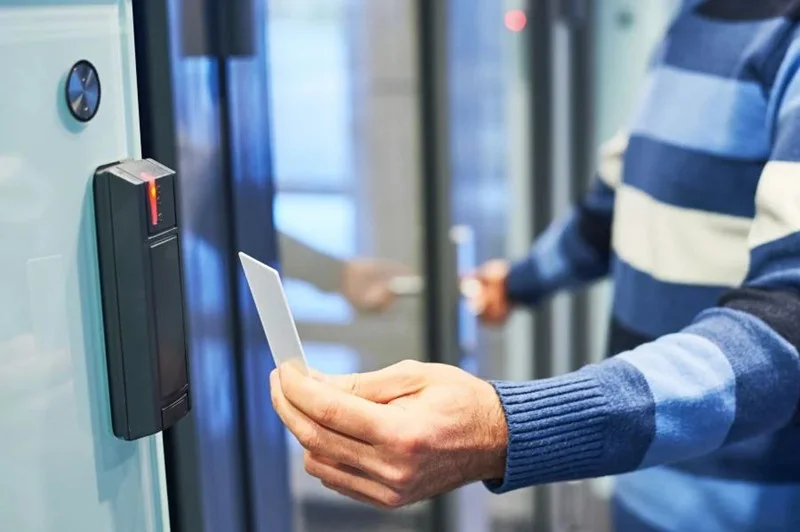
These systems use key cards or fobs to unlock doors. When an individual swipes or taps their card near a reader, the system checks if the user is authorized. These are commonly used in hotels, offices, and secure buildings. These systems can be programmed to allow access at specific times, offering greater flexibility over traditional mechanical locks.
3. Biometric Access Control
Perhaps the most secure option, biometric systems rely on physical attributes like fingerprints, retinal scans, or facial recognition to grant access. These systems are favored in high-security environments such as government buildings and data centers. Their main advantage is that they use unique personal characteristics that are nearly impossible to replicate.
4. PIN Codes
Another widely used method, PIN codes require individuals to enter a code to gain access. Often paired with other systems, such as card readers, PINs enhance security by providing a second layer of protection. PIN codes are simple to use and require no specialized equipment, making them a versatile option for a wide range of users.
5. Remote Access Systems
These systems allow access from anywhere. Admins can unlock doors or grant access remotely via smartphones, computers, or other internet-enabled devices. These are especially useful in businesses with multiple locations or remote access needs, offering both convenience and control over entry at all times.
How Do Controlled Access Systems Work?
At its core, a controlled access system works by verifying the identity of an individual and allowing or denying access based on predefined rules.
1. **Authentication**: The system first checks whether the user is authorized. This could involve a keycard, fingerprint, PIN, or facial scan.
2. **Authorization**: Once the user’s identity is authenticated, the system verifies whether they have permission to access the space.
3. **Access**: If the user is authorized, the system triggers the lock to open, granting them access.
Many systems also track entry times and maintain logs of who accessed the area and when, providing valuable insights for security monitoring. This added layer of tracking makes it easier to detect unauthorized access and investigate security incidents.
Why Are Controlled Access Systems Important?
The importance of controlled access systems cannot be overstated. They serve as the backbone of security in numerous settings, from offices to hospitals, universities, and government buildings. Here’s why they are crucial:
1. Enhanced Security
Controlled access systems ensure that only authorized individuals can access restricted areas. This prevents unauthorized access, reducing the risk of theft, vandalism, and other security breaches. In high-security environments like data centers or government buildings, these systems act as the first line of defense against intrusion.
2. Convenience and Efficiency
Gone are the days of managing keys for every door. With systems like keycards or biometric scanning, access becomes smoother and quicker. They also eliminate the risk of lost or stolen keys, making them more reliable than traditional locks. For businesses, this results in less downtime and more streamlined operations.
3. Audit Trails
One of the standout features of modern access control systems is the ability to create detailed logs. These logs can track entry and exit times, offering a clear record of who accessed a particular area and when. This feature is invaluable for investigating security breaches, ensuring accountability, and supporting audits.
4. Remote Management
Many modern systems allow administrators to manage access remotely. This is especially useful for businesses with multiple locations or for property managers who need to control access across several units. Remote management offers flexibility and allows security to be monitored and adjusted in real-time.
The Advantages of Biometric Access Control Systems
Biometric systems are at the forefront of access control technology. These systems, which rely on unique physical characteristics such as fingerprints, retina scans, or facial recognition, offer several key advantages:
1. Uniqueness
Biometric traits are unique to every individual, which makes it nearly impossible for someone to steal or duplicate the access credentials, unlike traditional keys or cards. This level of security ensures that only the intended person can gain access, even if someone else has their card or knows their PIN.
2. Increased Security
Because biometric systems rely on physical characteristics, they provide a higher level of security compared to PIN codes or keycards. Even if someone gains access to a card or PIN, they can’t replicate a fingerprint or facial scan, making these systems highly secure.
3. User-Friendliness
Biometric systems eliminate the need for remembering passwords or carrying cards, making them both secure and easy to use. Just a quick scan of the fingerprint or face, and access is granted. This streamlined process improves user experience while maintaining high security.
Conclusion
Controlled access systems are revolutionizing the way we secure spaces. Whether you’re managing a small office or a large government building, these systems provide enhanced security, convenience, and accountability. As technology continues to evolve, we can expect even more sophisticated and efficient solutions to emerge.
By understanding the different types of controlled access systems and how they work, you can make an informed decision about which system best suits your needs. Investing in the right access control system today can provide peace of mind and improve your overall security strategy.
Frequently Asked Questions (FAQs)
1. What is the difference between a keycard system and a biometric access system?
A keycard system uses cards or fobs to gain access, whereas a biometric system uses physical traits like fingerprints or facial recognition. Biometric systems offer a higher level of security as they are harder to replicate.
2. Can I integrate a controlled access system with my existing security system?
Yes, many modern controlled access systems can be integrated with other security measures like CCTV cameras, alarm systems, and building management systems for a comprehensive security solution.
3. Are biometric systems secure?
Yes, biometric systems are highly secure due to their reliance on unique physical characteristics that cannot be easily replicated or stolen.
4. How can I manage access remotely?
Many modern systems offer mobile or web-based platforms that allow administrators to remotely control access, add or remove users, and monitor access logs in real time.
5. Are controlled access systems cost-effective for small businesses?
For small businesses, simpler systems like keycards or PIN-based systems may be more affordable while still offering enhanced security compared to traditional locks.
