
Understanding Biometric Access Control Systems: Revolutionizing Security
Biometric access control systems are becoming increasingly prevalent in securing sensitive areas and data, offering a new way of granting access based on unique personal traits such as fingerprints, facial features, and iris patterns. In an age where security threats are becoming more sophisticated, these systems provide a reliable and efficient means of protecting buildings, networks, and physical assets. Let’s dive into how these systems work, the technology behind them, and why they are essential for modern security.
How Do Biometric Access Control Systems Function?
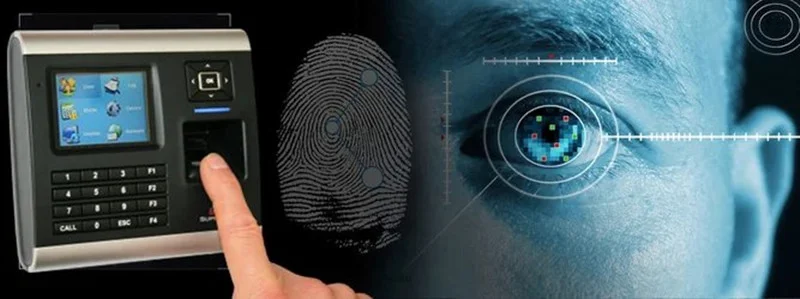
At their core, biometric access control systems rely on analyzing unique biological characteristics to authenticate a person’s identity. This involves capturing and comparing biometric data, which could include fingerprints, facial features, or even retina scans, with stored data templates in a secure database. These systems ensure that only authorized individuals can access restricted areas, significantly improving the security compared to traditional methods like keycards or PINs.
Biometric systems consist of several components: a capture device (such as a fingerprint scanner or facial recognition camera), a matching system (algorithms that compare the data), a database (where biometric data templates are securely stored), and a control mechanism that grants or denies access based on the results of the comparison.
Types of Biometric Systems
Fingerprint Recognition
Fingerprint recognition is one of the most common types of biometric systems. It uses a fingerprint scanner to capture the unique ridge patterns of an individual’s fingers. The system then compares the scanned fingerprint with a template stored in the database for a match. This method is highly effective due to its ease of use, affordability, and accuracy. It’s commonly seen in devices like smartphones, security gates, and employee entry points.
Facial Recognition
Facial recognition technology works by analyzing an individual’s facial features. This can be done in real-time using high-definition cameras that capture the geometry of the face, including the distances between the eyes, nose, and chin. This technology is rapidly becoming popular in airports, office buildings, and even smartphones. Unlike other methods, facial recognition is often contactless, making it more convenient for users.
Iris Scanning
Iris scanning is one of the most secure biometric authentication methods. The human iris contains intricate patterns that are unique to every individual, even identical twins. By analyzing these patterns, iris scanning provides a highly accurate means of identification. This technology is used in high-security areas, such as government buildings, military installations, and research labs.
Voice Recognition
Voice recognition technology analyzes the unique characteristics of an individual’s voice, including pitch, tone, and cadence. It is commonly used in telephone banking systems or virtual assistants. While not as widely used as fingerprint or facial recognition, it still provides an additional layer of security, particularly for remote access.
Advantages of Biometric Access Control Systems
Biometric systems offer several compelling benefits, making them a preferred choice for both personal and organizational security. Here are some of the key advantages:
- Enhanced Security and Accuracy: Unlike traditional access methods, such as PINs or keycards, biometrics cannot be stolen or shared. This significantly reduces the risk of unauthorized access.
- Convenience: Biometric authentication is quick, requiring only a brief scan of a fingerprint, face, or eye. This saves time and is much more convenient than remembering a PIN or carrying a physical key.
- Cost-Effectiveness: While the initial investment in biometric systems may be higher, they can ultimately save money by reducing the need for physical access cards, security staff, and other traditional systems.
- Reduced Fraud Risk: Biometric systems make it virtually impossible to replicate an individual’s unique traits, thus significantly reducing the potential for fraud.
Applications of Biometric Access Control Systems
Biometric access control systems are used in a wide range of industries to enhance security and streamline access processes. Some common applications include:
- Corporate Offices: Many companies now use biometric systems to control access to sensitive areas such as server rooms and executive offices.
- Government Buildings: High-security areas like government offices, embassies, and military bases often employ biometric access systems to protect classified information.
- Healthcare Institutions: Hospitals and clinics use biometric systems to safeguard patient information and restrict access to medical records.
- Airports: Airports use biometric technology for everything from check-in counters to border control, enhancing security and improving the passenger experience.
- Residential Use: Homeowners are also adopting biometric systems to control access to their homes, ensuring only family members or trusted individuals can enter.
Challenges and Limitations of Biometric Systems
Despite their numerous benefits, biometric systems are not without challenges. Some of the key limitations include:
- Privacy Concerns: The collection and storage of biometric data raise significant privacy issues. It’s crucial for businesses and institutions to ensure that the data is securely stored and managed to prevent misuse.
- False Positives and Negatives: Biometric systems are not foolproof and can sometimes fail to recognize individuals correctly, leading to access issues.
- High Initial Costs: The cost of implementing a biometric access control system can be prohibitively high, particularly for smaller businesses or residential users.
- Environmental Factors: Conditions such as dirt, humidity, or lighting can interfere with biometric scans, particularly in facial recognition or fingerprint systems.
The Future of Biometric Access Control
The future of biometric access control systems is promising. As technology continues to evolve, we can expect more advanced and accurate biometric systems, such as palm vein recognition or DNA-based authentication. In addition, artificial intelligence and machine learning will play a significant role in improving the accuracy and efficiency of biometric systems. Moreover, the integration of biometric technology in smart cities is set to revolutionize how we secure public spaces and buildings.
Conclusion
Biometric access control systems represent the future of security, offering a reliable and convenient way to manage access to sensitive areas. While they come with their own set of challenges, the benefits far outweigh the drawbacks. As technology continues to improve, we can expect these systems to become even more accurate and widely adopted, offering enhanced protection for both individuals and organizations.
FAQs
1. What is the most secure biometric system?
The most secure biometric system is iris scanning due to the unique patterns in the human iris that are extremely difficult to replicate. It offers a very high level of accuracy and security.
2. Are biometric systems foolproof?
No system is entirely foolproof, and biometric systems are no exception. While they provide a higher level of security than traditional methods, issues like false positives and false negatives can occur.
3. How do biometric systems handle data privacy?
Biometric data is stored securely, usually in encrypted formats. It’s important for businesses to comply with data protection regulations, such as GDPR, to ensure the privacy and safety of users' biometric information.
4. What industries use biometric access control systems?
Biometric access control systems are used across various industries, including healthcare, government, corporate offices, airports, and even residential properties.
5. Can biometric systems be hacked?
While it is challenging to hack biometric systems, no system is entirely immune to cyberattacks. However, strong encryption and security protocols can minimize the risk of hacking.
