
In an era defined by the need for enhanced security measures, two door access control systems have emerged as pivotal solutions in safeguarding facilities and streamlining the flow of people. These systems not only ensure that access is granted to authorized individuals but also enhance the overall efficiency of entry point management. This guide delves into the sophisticated technology behind two door access control systems, their components, benefits, integration techniques, and practical deployment strategies to maximize security and operational efficacy.
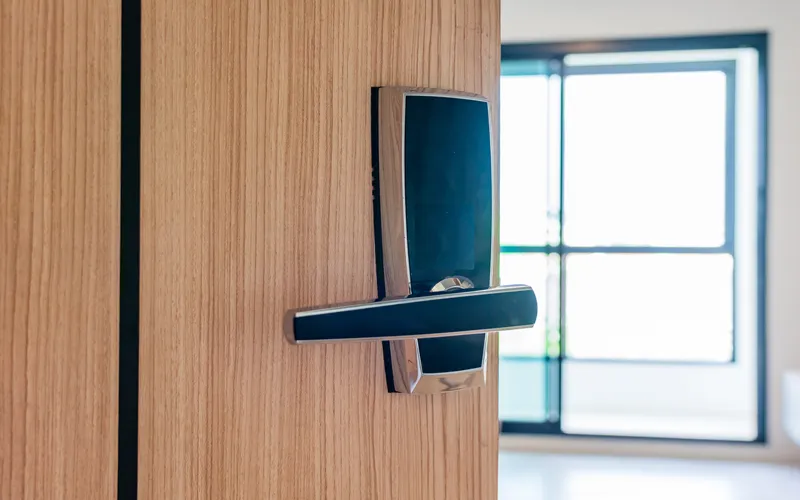
A two door access control system is an advanced security solution designed to manage access through two designated points within a facility. Typically used in environments where security and traffic control are paramount, these systems utilize a combination of electronic components and sophisticated software to authenticate and authorize entry, ensuring that only permitted individuals can access sensitive or restricted areas.
The effectiveness of a two door access control system hinges on the integration of its four main components:
Controllers: The central hub of the system, controllers process data from readers and make decisions about door access. They are capable of handling requests from multiple readers and can communicate with other security systems to ensure a coordinated response to any security threat.
Readers: These devices are installed at entry points and are responsible for capturing and decoding information from a user’s access credential. Readers can range from card readers and keypad systems to more advanced biometric scanners.
Locks:Upon authentication, electronic locks receive signals to either permit or deny access. These locking mechanisms must be robust and adaptable to different door types and security levels.
Credentials: These are the tools used by individuals to gain access, which can include magnetic cards, key fobs, PIN codes, or biometric data such as fingerprints or retinal scans. The choice of credential depends on the level of security required and the specific needs of the facility.
Two door access control systems come in various configurations, each suited to different security needs and operational environments:
Standalone Systems: These are self-contained units that operate independently of any network. They are simpler and often used in smaller facilities where connectivity and data centralization are not critical.
Networked Systems: For larger organizations or those requiring comprehensive security across multiple zones, networked systems offer centralized control and data storage. This setup allows for seamless integration with other security and monitoring tools, providing a holistic view of the security landscape.
Implementing a two door access control system brings several significant advantages:
Enhanced Security: The primary benefit is the robust protection against unauthorized access, ensuring that sensitive areas are accessible only to approved personnel.
Efficient Traffic Flow: These systems facilitate smooth and quick access for authorized individuals while preventing bottlenecks at entry points during peak times.
Customizable Access Levels: Access rights can be customized for different groups or individuals, allowing flexibility in who can enter specific parts of the facility at particular times.
Scalability: As security needs grow or diminish, the system can be easily adjusted to accommodate more doors or different access requirements without overhauling the entire setup.
The installation of a two door access control system involves several key steps:
Planning: This initial phase involves assessing the site, understanding traffic patterns, and determining the most effective placement for readers and controllers.
installation: Physical installation of the hardware follows, including mounting the controllers, readers, and locks and ensuring they are properly connected and powered.
Testing and Validation: Before going live, the system must be thoroughly tested to ensure all components are functioning correctly and communicating as expected. This stage may also involve training for personnel to manage and operate the system effectively.
For optimal performance, daily monitoring and periodic maintenance are crucial. Administrators should regularly check system logs, update access credentials as needed, and ensure that all hardware and software components are functioning optimally.
Modern two door access control systems include advanced security features such as anti-passback, which prevents one user's credential from being used to enter a door multiple times without first exiting, and customizable access levels, which restrict entry to certain areas during specified times.
For enhanced security, two door access control systems can be integrated with CCTV, alarms, and other monitoring systems. This integration enables a comprehensive security solution that can quickly react to potential breaches and provide detailed surveillance footage for forensic analysis.
While the upfront cost of a two door access control system can be significant, the long-term benefits—such as reduced need for physical security personnel, prevention of theft and unauthorized access—often justify the investment. Maintenance costs should also be considered in the overall budgeting for the system.
Common technical issues include failures in credential recognition and connectivity problems between system components. These can generally be resolved through system diagnostics, software updates, or component replacements.
Recent advancements in biometric technology and mobile access are setting new standards for security and user convenience in access control systems. These technologies offer a higher level of security and efficiency, making systems harder to breach and easier for authorized users to access.
Adherence to regulatory standards such as GDPR in Europe or HIPAA in the United States is critical for any access control system. These regulations ensure that personal data collected through access control systems is protected against unauthorized access and breaches.
Real-world applications in corporate offices and government buildings demonstrate the effectiveness of two door access control systems in enhancing security protocols and streamlining access management, significantly reducing unauthorized access and improving operational efficiency.
Two door access control systems represent a significant advancement in security technology, offering robust protection, customizable access, and integration capabilities. For any organization prioritizing security and efficiency, these systems provide a reliable and scalable solution.
Unlike traditional keys, which can be copied or lost, access control systems provide a higher level of security by using electronic locks controlled by secure credentials that can be easily modified or revoked.
Yes, most modern access control systems are designed to be compatible with other security technologies, allowing for comprehensive security coverage that can be monitored and managed from a central point.
Regular software updates, hardware checks, and credential management are essential to maintain the effectiveness and security integrity of the system.
Yes, the latest advancements in access control technology include mobile solutions that allow smartphones to act as access credentials, facilitating even easier and more flexible access management.
Initial troubleshooting steps include checking the system for updates, ensuring the reader is clean and functional, and verifying that the user’s credentials are active and properly assigned in the system database. If problems persist, contacting technical support is advisable.

This is a fantastic guide on two-door access control systems! The breakdown of security benefits and accessibility features is incredibly helpful for businesses looking to upgrade their security infrastructure. I appreciate the clear explanations and practical insights—definitely a must-read for anyone considering an access control upgrade. Keep up the great work!