
The Ultimate Guide to Electronic Key Locks
In today's fast-paced world, security is paramount. Whether it's protecting your home, office, or industrial facility, ensuring that unauthorized individuals cannot gain access is critical. Enter electronic key locks—a modern solution designed to provide superior security, convenience, and control. But what exactly are electronic key locks, and why are they becoming the go-to choice for security-conscious individuals and organizations? Let's dive in.
History of Locks
From Mechanical to Electronic Locks
Locks have been around for centuries, evolving from simple mechanical devices to complex electronic systems. Early locks relied on basic mechanisms that could be easily picked or broken. As technology advanced, so did the sophistication of locks. The introduction of electronic locks marked a significant milestone in the evolution of security, offering enhanced protection and convenience.
Evolution of Security Mechanisms
From wooden pin locks used in ancient Egypt to the intricate mechanical locks of the 18th century, the journey of locks is fascinating. The shift from mechanical to electronic locks in the late 20th century revolutionized security, making it more robust and user-friendly. Electronic locks introduced features like keyless entry, access control, and audit trails, which were not possible with traditional mechanical locks.
What is an Electronic Key Lock?
Definition and Components
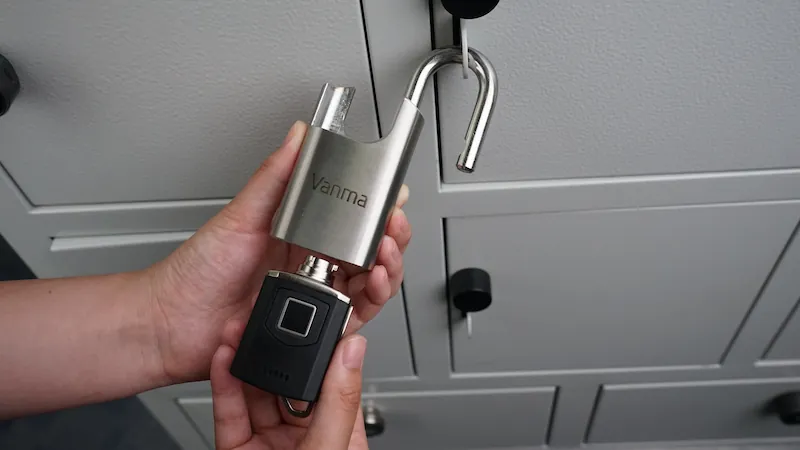
An electronic key lock is a locking device that uses electronic signals to operate. Unlike traditional locks that require a physical key, electronic locks can be operated using keypads, cards, biometrics, or smartphones. Key components include an electronic control unit, a locking mechanism, and an access device. These locks offer a seamless blend of technology and security, providing advanced protection against unauthorized access.
How It Works
Electronic key locks work by receiving an access signal from the user. This signal is processed by the control unit, which then engages or disengages the locking mechanism. The process is quick, secure, and eliminates the need for physical keys, which can be lost or duplicated. The integration of digital technology ensures that access is granted only to authorized users, enhancing overall security.
Types of Electronic Key Locks
Keypad Locks
Keypad locks require a user to enter a code to gain access. They are popular in residential and commercial settings due to their simplicity and reliability. Users can easily change access codes, providing flexibility and enhanced security. Additionally, keypad locks can be integrated with alarm systems for added protection.
Card-Based Locks
Card-based locks use magnetic stripe or RFID cards to grant access. Commonly used in hotels and offices, these locks offer a balance between security and convenience. Users can carry a single card that provides access to multiple doors, reducing the need for multiple keys. The cards can also be programmed to restrict access based on time or user level.
Biometric Locks
Biometric locks use fingerprint, retina, or facial recognition technology to verify the identity of the user. They provide a high level of security and are often used in high-security areas. Biometric locks eliminate the risk of lost or stolen keys and ensure that access is granted only to verified individuals, enhancing security.
Smartphone-Operated Locks
Smartphone-operated locks leverage mobile apps to control access. They offer remote access capabilities, allowing users to lock or unlock doors from anywhere in the world. These locks can also send notifications when someone enters or exits, providing real-time monitoring and increased security.
Advantages of Electronic Key Locks
Enhanced Security
Electronic key locks provide enhanced security through features like encrypted access codes, biometric verification, and audit trails. These features make it difficult for unauthorized individuals to gain access. The ability to monitor and control access in real-time adds an extra layer of security, making electronic locks a preferred choice for many.
Convenience
With electronic key locks, you no longer need to carry around a bunch of keys. Access can be granted via a code, card, or smartphone, simplifying the process significantly. This convenience is particularly beneficial for businesses with multiple employees or residents in large apartment complexes.
Access Control
Electronic locks allow for precise access control, enabling you to grant or revoke access to specific individuals easily. This is particularly useful in commercial and industrial settings, where controlling who can enter certain areas is critical. Access can be tailored based on time, user level, or specific needs, providing flexibility and security.
Audit Trails
One of the standout features of electronic key locks is the ability to generate audit trails. This means you can track who accessed a particular area and when, adding an extra layer of security and accountability. Audit trails are valuable for businesses that need to monitor employee movements or ensure compliance with security protocols.
Applications of Electronic Key Locks
Residential Use
In homes, electronic key locks offer convenience and peace of mind. They can be integrated with smart home systems for enhanced security and ease of use. Homeowners can manage access remotely, receive alerts when doors are accessed, and ensure that their property is secure at all times.
Commercial Use
Businesses benefit from electronic key locks through improved access control and the ability to monitor entry and exit times, enhancing overall security. These locks can be used to secure offices, storage areas, and restricted zones, ensuring that only authorized personnel have access.
Industrial Use
In industrial settings, electronic key locks are used to secure valuable equipment and sensitive areas, ensuring only authorized personnel have access. They provide robust protection against theft and unauthorized access, helping to safeguard valuable assets.
Government and Military Use
Electronic key locks are crucial in government and military applications, where high security is paramount. They provide robust protection for classified information and restricted areas. The ability to control and monitor access in real-time ensures that sensitive information and assets are well-protected.
Key Features to Look for in Electronic Key Locks
Security Features
Look for locks with advanced security features such as encrypted codes, biometric verification, and tamper alerts. These features provide enhanced protection against unauthorized access and ensure that your property remains secure.
Durability
Ensure the lock is built to withstand harsh conditions, especially if it will be used outdoors or in industrial environments. Durable locks are less likely to fail and can provide reliable security over time.
User-Friendly Interface
A user-friendly interface makes it easy to manage access, change codes, and monitor activity. Look for locks with intuitive controls and clear instructions to ensure smooth operation.
Integration Capabilities
Choose locks that can integrate with other security systems and smart home devices for a seamless experience. Integration capabilities allow you to manage all your security devices from a single platform, enhancing convenience and control.
Installation and Maintenance Tips
DIY vs. Professional Installation
While some electronic locks are easy to install, others may require professional installation to ensure they function correctly. Consider the complexity of the lock and your own technical skills before deciding whether to install it yourself or hire a professional.
Regular Maintenance Practices
Regular maintenance, such as updating firmware and cleaning biometric sensors, is essential to keep electronic locks in good working condition. Proper maintenance ensures that the locks continue to provide reliable security and prevents common issues.
Troubleshooting Common Issues
Familiarize yourself with common issues such as battery failures or connectivity problems and know how to troubleshoot them. Having a basic understanding of how to resolve these issues can save time and ensure that your locks remain operational.
Cost Considerations
Initial Investment
Electronic key locks can be more expensive upfront compared to traditional locks, but they offer greater value in the long run. Consider the initial investment as a part of a long-term security solution that provides enhanced protection and convenience.
Long-term Savings
Over time, electronic locks can save money by reducing the need for rekeying and enhancing security, which can prevent costly break-ins. The ability to control and monitor access can also reduce the risk of theft and unauthorized entry.
Comparing Costs with Mechanical Locks
When comparing costs, consider not just the purchase price but also the potential savings from increased security and convenience. Electronic locks offer features that traditional locks cannot, making them a worthwhile investment for many applications.
Future Trends in Electronic Key Locks
Advances in Technology
Expect to see more advanced features such as AI integration, voice recognition, and enhanced biometric capabilities. These advancements will make electronic locks even more secure and user-friendly, providing improved protection and convenience.
Increasing Use of AI and IoT
Artificial Intelligence and the Internet of Things (IoT) are set to play a significant role in the future of electronic locks, offering smarter and more integrated security solutions. These technologies enable locks to communicate with other devices, providing enhanced security and automation.
Predicted Market Growth
The market for electronic key locks is expected to grow significantly, driven by increasing security concerns and technological advancements. As more people and businesses recognize the benefits of electronic locks, demand is likely to increase, leading to further innovations and improvements.
How to Choose the Right Electronic Key Lock
Assessing Security Needs
Evaluate your specific security needs to choose the right type of electronic lock. Consider factors such as the level of security required, the environment in which the lock will be used, and any specific features you may need.
Evaluating Product Reviews
Read reviews and compare products to find the best lock for your needs. User reviews can provide valuable insights into the performance, reliability, and ease of use of different locks.
Considering Brand Reputation
Opt for reputable brands known for their reliability and quality. Established brands are more likely to offer durable and effective products, along with good customer support and warranties.
Common Myths About Electronic Key Locks
Debunking Misconceptions
There are several misconceptions about electronic locks, such as being easy to hack or requiring constant maintenance. We'll debunk these myths to give you a clear understanding. Modern electronic locks are equipped with advanced security features that make them highly resistant to hacking, and regular maintenance can ensure their reliable operation.
Addressing Security Concerns
Understand the true security benefits of electronic locks and how they can protect your property better than traditional locks. Electronic locks offer features like audit trails, remote access control, and biometric verification, which enhance security and provide peace of mind.
User Testimonials and Case Studies
Real-Life Applications
Learn from real-life applications and how electronic locks have enhanced security in various settings. Case studies and user testimonials can provide insights into the practical benefits and effectiveness of electronic locks in different environments.
Success Stories
Read success stories from users who have benefited from upgrading to electronic key locks. These stories highlight the advantages of electronic locks, such as improved security, convenience, and peace of mind, and can help you make an informed decision.
FAQs
Are electronic key locks secure?
Yes, electronic key locks offer advanced security features such as encryption, biometric verification, and audit trails, making them highly secure. These features provide robust protection against unauthorized access and ensure that only authorized individuals can gain entry.
Can electronic key locks be hacked?
While no system is entirely hack-proof, electronic key locks use advanced encryption and security measures to protect against hacking. Regular software updates and secure access protocols further enhance their security, making them a reliable choice for protecting your property.
What happens if the power goes out?
Many electronic key locks come with battery backups or mechanical key overrides to ensure access in the event of a power outage. These features ensure that you can still gain entry even if the primary power source fails, providing peace of mind and continuous security.
Are electronic key locks easy to install?
Installation difficulty varies by model. Some electronic locks are designed for easy DIY installation, while others may require professional installation to ensure they function correctly. Consider the complexity of the lock and your own technical skills when deciding on installation.
How long do the batteries last in electronic key locks?
Battery life depends on usage and the specific model, but most electronic key locks have long-lasting batteries that can last several months to a few years. Regularly checking and replacing batteries as needed can ensure that your lock remains operational and secure.
Electronic key locks represent the future of security, offering unparalleled convenience, control, and peace of mind. Whether you're securing your home, office, or industrial facility, there's an electronic key lock to meet your needs. By understanding their features, benefits, and applications, you can make an informed decision and take your security to the next level.
