
The Keyless Revolution: Cabinet Locks Redefined
Cabinet combination locks are an essential component of secure storage solutions, providing a keyless entry system that enhances security by eliminating the risk associated with lost or stolen keys. This article delves into the various aspects of cabinet combination locks, including their benefits, types, installation, and maintenance, along with user reviews and compliance issues, offering comprehensive insights to help you make informed security decisions.
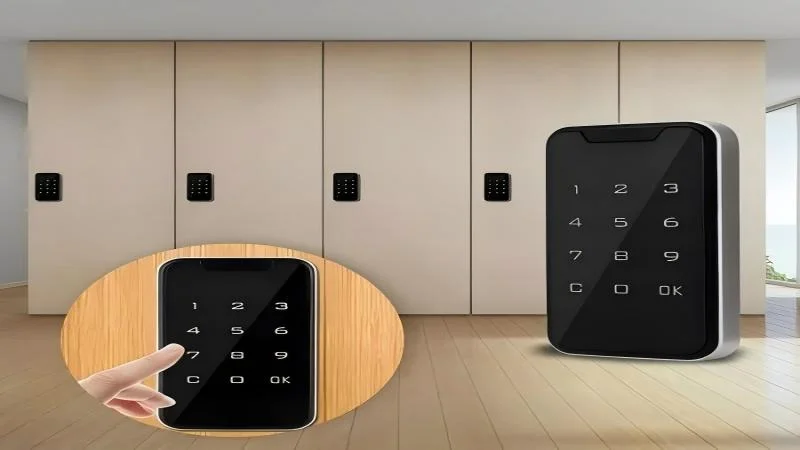
Understanding Cabinet Combination Locks
Cabinet combination locks function by requiring a numerical or alphanumerical code for unlocking. This system eliminates the need for physical keys and thereby reduces the hassle associated with key management in environments like offices, schools, or industrial settings. These locks come in different types, including single-dial, multiple-dial, and electronic combination locks, each suitable for varying levels of security needs.
Benefits of Using Cabinet Combination Locks
The primary advantages of using cabinet combination locks include enhanced security, as the combination can be changed anytime to prevent unauthorized access. They also offer significant convenience by removing the need to carry keys, thus reducing the risk of keys being lost or stolen. Furthermore, they are cost-effective in the long run, since there are no costs associated with key replacement or rekeying locks.
How to Choose the Right Cabinet Combination Lock
Selecting the appropriate cabinet combination lock requires evaluating several factors such as the desired level of security, the specific dimensions of the cabinet, and the ease of installation. It is crucial to choose a lock that fits your specific security needs and is compatible with the cabinet where it will be installed.
Installation Guide
Installing a cabinet combination lock typically involves aligning the lock mechanism with the cabinet's latch system, securing it in place with screws, and setting the initial combination using the manufacturer's instructions. This process can be completed with basic tools and does not usually require professional assistance.
Maintenance Tips for Cabinet Combination Locks
To ensure the longevity and effectiveness of your cabinet combination locks, regular maintenance is crucial. This includes lubricating the locking mechanism to prevent sticking and changing the combination periodically to enhance security.
The Role of Combination Locks in Modern Security Systems
In modern security systems, cabinet combination locks are often integrated with other security measures to provide a multi-layered security approach. This integration enhances the overall security infrastructure by adding an additional barrier against unauthorized access.
Technological Advancements in Combination Locks
The evolution of combination locks from mechanical to digital has introduced features such as audit trails, which provide a record of access, adding an extra layer of security and control for sensitive environments.
Security Best Practices with Combination Locks
To maximize the security benefits of cabinet combination locks, it is advisable to use complex combinations and change them regularly. Avoid using easily guessable numbers such as birth dates or repeated digits.
Comparative Analysis: Combination Locks vs. Keyed Locks
While both combination locks and keyed locks have their advantages, combination locks offer greater flexibility and control over access, making them ideal for situations where access needs to be changed or managed frequently.
User Experiences and Reviews
User reviews commonly highlight the ease of use and enhanced security features of cabinet combination locks, noting particular satisfaction with their ability to manage access without the need for keys.
Legal and Compliance Aspects
Certain industries, such as healthcare and education, have specific compliance requirements that may dictate the use of cabinet combination locks to secure sensitive information and assets.
Cost Analysis
The initial investment in a combination lock may be higher than that of a traditional keyed lock, but the long-term savings from not having to manage keys or change locks frequently can be significant.
Conclusion
Cabinet combination locks are an effective solution for enhancing security and managing access without the complications associated with keys. By understanding the different types available and how they fit into modern security strategies, you can make an informed decision that best meets your security needs.
FAQs
How often should I reset my cabinet combination lock?
It is recommended to reset your combination lock every 3 to 6 months to maintain security, especially in environments where access to sensitive information is regulated.
What should I do if my combination lock is not opening?
First, ensure that you are entering the correct combination. If the issue persists, consult the manufacturer's troubleshooting guide, as the lock may require lubrication or resetting.
Are combination locks as secure as keyed locks?
Combination locks provide a level of security comparable to keyed locks, with the added benefit of easier access management and no risk of lost keys.
Can combination locks be hacked?
While all locks have vulnerabilities, combination locks with complex and frequently changed codes offer robust security against hacking attempts.
What is the best type of combination lock for high-security needs?
Electronic combination locks with audit trail capabilities are best suited for high-security needs as they provide records of access attempts and can be integrated with other security systems.
