
The Importance and Benefits of Security Access Control Systems
In today's fast-paced world, security is more important than ever before. With technology advancing and businesses expanding globally, securing sensitive areas and personal information is a top priority. One of the most effective ways to control who enters certain areas is through **security access control systems**. These systems ensure that only authorized individuals gain access to specific locations, whether it's an office, a secure room, or a restricted zone within a building. The right access control system provides a comprehensive solution to safeguarding assets, personnel, and confidential information.
This article will delve into the various aspects of security access control systems, from types and benefits to how they can be integrated with other security measures.
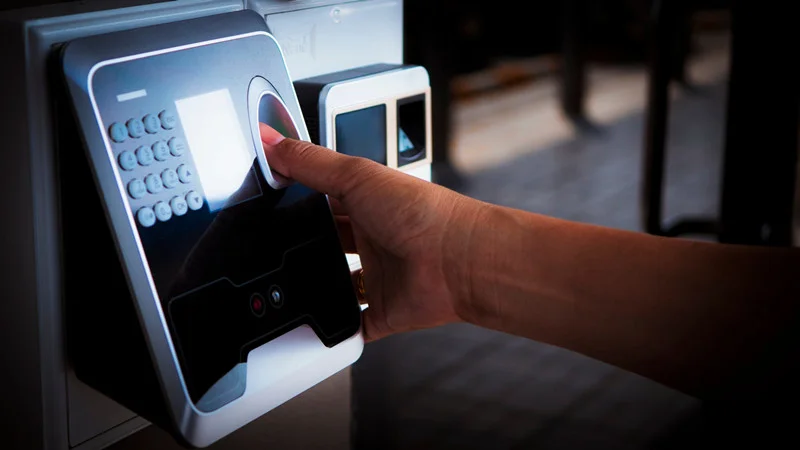
What is a Security Access Control System?
A **security access control system** is a technology used to regulate and monitor access to physical spaces. The system identifies who is allowed to enter specific areas and when, using various methods of authentication. These could include keycards, PINs, biometric scans, or even mobile devices, depending on the system in place.
Essentially, access control systems allow you to create boundaries within your premises, limiting who can enter and when. This kind of control can be implemented at the entrance of a building, specific rooms, or restricted zones, offering enhanced security by only granting access to authorized individuals.
Types of Security Access Control Systems
There are several types of **security access control systems**, each catering to different needs and levels of security. Whether you're looking for a basic solution or a high-tech, sophisticated system, there is a variety of systems that can suit your requirements.
1. Traditional Mechanical Lock Systems
Traditional mechanical lock systems are the most basic form of access control. They rely on physical keys to lock and unlock doors. While simple and cost-effective, they are often considered outdated and less secure than electronic systems. The main downside of these systems is the risk of lost or stolen keys, which could compromise security. Additionally, these systems lack the flexibility to restrict or monitor access in real time, which can be a major limitation for businesses.
2. Electronic Access Control Systems
**Electronic access control systems** are a significant upgrade from mechanical locks. These systems use electric locks controlled by keycards, PINs, fobs, or other electronic credentials. These systems offer greater flexibility as they can be easily updated or reprogrammed without needing to change locks. Additionally, they provide better security since they can track who entered the area and at what time, creating an audit trail for review. Electronic access systems also allow for quick changes to access permissions, such as when an employee leaves or a visitor requires temporary access.
3. Smart Access Control Systems
The future of access control systems lies in **smart technology**. These systems integrate modern devices like smartphones and cloud-based management platforms, offering convenience and higher levels of customization. Smart systems allow businesses to manage access remotely via mobile apps, providing control over who can enter specific areas even from miles away. They often come equipped with advanced features, such as facial recognition and mobile key access, which provide added security and ease of use.
Why is Access Control Important?
Implementing **access control systems** offers numerous advantages, including enhanced security, privacy protection, and compliance with regulatory standards.
1. Enhancing Security
Access control systems provide a physical barrier to unauthorized entry, helping to keep restricted areas secure. For instance, **biometric systems** are extremely effective at preventing unauthorized access since they rely on unique personal features like fingerprints or iris scans. This significantly reduces the risk of someone impersonating an authorized user or gaining access by other means.
2. Maintaining Privacy
Privacy is crucial in environments where sensitive data or confidential materials are stored. Hospitals, for example, require strong access control systems to protect patient information. By ensuring that only authorized personnel can access certain records or physical areas, access control systems help safeguard privacy and prevent breaches.
3. Monitoring and Reporting
Another significant benefit of access control systems is their ability to monitor who enters and exits specific areas. Many systems include **audit trails**, which provide detailed logs of access attempts. This information can be valuable for investigating suspicious activity or ensuring compliance with internal security policies.
Benefits of Security Access Control Systems
Adopting a security access control system offers a variety of benefits for businesses and individuals. These benefits extend beyond just protecting physical areas; they improve overall operational efficiency and cost-effectiveness.
1. Cost-Effective Security
While the initial investment in an access control system may seem high, it can significantly reduce long-term security costs. Access control systems eliminate the need for physical security guards at entrances, saving businesses on labor costs. Furthermore, they reduce the risk of theft or unauthorized access, which could result in financial losses or legal liabilities.
2. Increased Flexibility
With access control systems, it's much easier to manage who has access to specific areas. Administrators can grant, modify, or revoke access permissions remotely, allowing for more flexibility in managing personnel. This can be especially useful in dynamic environments where access needs change frequently.
3. Remote Management
Many modern access control systems allow for remote monitoring and management, giving administrators the ability to oversee security from anywhere in the world. Using mobile apps or online dashboards, users can grant access, check logs, and ensure the security of their premises, all from a smartphone or computer.
Choosing the Right Access Control System
Selecting the right access control system for your needs depends on several factors, including the size of the area, the type of access required, and your budget. Here's a quick breakdown to guide your decision-making process:
1. Determine the Level of Security
Consider how sensitive the area you're securing is. High-security areas, such as data centers or government buildings, may require **biometric access** or **smart access systems**. For less sensitive spaces, such as general office areas, a simple **card-based** system might suffice.
2. Evaluate the Scalability
As your business grows, your security needs may change. Opting for a **scalable system** that can be expanded as needed ensures that your access control system remains effective as your premises or workforce expand.
3. Budget Considerations
Budget is often a key consideration when selecting an access control system. While advanced systems like **biometrics** or **smart locks** may come with a higher price tag, they offer enhanced security features that might be worth the investment, especially if you're dealing with highly sensitive areas.
Integrating Access Control with Other Security Systems
Access control doesn't have to operate in isolation. Many modern systems are designed to integrate with other security systems, such as **CCTV**, **alarm systems**, and **motion sensors**. Integrating these systems creates a comprehensive security solution that strengthens overall protection.
For instance, if an access control system detects an unauthorized entry, it can trigger an alarm or send a notification to security personnel. This level of integration provides real-time protection and immediate responses to potential security threats.
The Future of Security Access Control Systems
The future of access control is bright, with innovations like **AI-powered biometric systems**, **mobile-based access**, and **cloud management** transforming the way businesses and homes secure their properties. As technology advances, these systems will continue to become more intuitive, secure, and accessible for a wide range of users.
Conclusion
Security access control systems are essential tools for safeguarding assets, personnel, and sensitive information. Whether you're securing a small office or a large industrial complex, these systems offer enhanced security, flexibility, and monitoring capabilities. By understanding the various types of systems available and their benefits, you can make an informed decision that best fits your security needs.
Frequently Asked Questions (FAQs)
1. What is the difference between electronic and mechanical access control systems?
Electronic access control systems use technology like keycards or biometric scans, while mechanical systems rely on physical keys. Electronic systems offer greater security, flexibility, and the ability to track access events.
2. Are biometric access control systems more secure than card-based systems?
Yes, biometric systems offer higher security because they rely on unique, personal features such as fingerprints or facial recognition. This makes them much harder to bypass than card-based systems, which could be lost or stolen.
3. Can I manage an access control system remotely?
Yes, many modern access control systems offer remote management capabilities, allowing administrators to control access, monitor activity, and adjust permissions from a mobile device or computer.
4. How can access control systems integrate with other security measures?
Access control systems can integrate with alarms, surveillance cameras, and other security systems, providing a more comprehensive and coordinated approach to security. This integration allows for immediate alerts and better protection.
5. Are there any limitations to using smart access control systems?
While smart access control systems offer advanced features and convenience, they may be more expensive than traditional systems. Additionally, they require regular updates and maintenance to ensure they remain secure and functional.
