
The Future of Door Security:Why Go Electronic
In an era where digital solutions are continually advancing, electronic house locks have emerged as a pivotal development in home security technology. Offering both convenience and robust protection, these locks are replacing traditional mechanical locks and are becoming an integral part of the modern smart home.
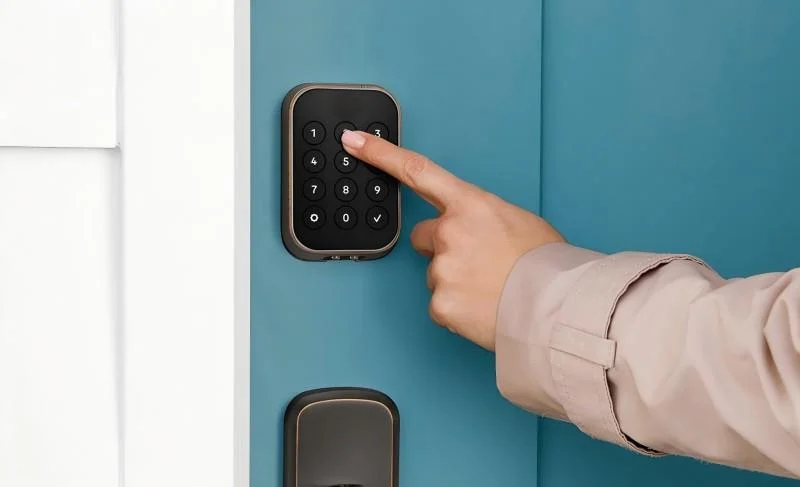
Understanding Electronic House Locks
Electronic house locks utilize digital mechanisms to grant or deny access without the need for physical keys. By incorporating options such as keypads, smartphone connectivity, and biometric scanners, these locks offer a versatile approach to securing your home.
Types of Electronic House Locks
The market offers various types of electronic locks including keyless entry systems that allow access via numeric codes, smart locks that connect to home automation systems and can be controlled remotely, and biometric locks that recognize fingerprints for access.
Advantages of Electronic House Locks
Beyond their basic function of securing doors, electronic locks offer enhanced security through features like encrypted signals and automatic locking, combined with the convenience of remote management and integration with other smart home devices.
Installation of Electronic House Locks
Installing an electronic lock can often be done DIY with basic tools, though professional installation might be recommended to ensure optimal performance and security. The installation process typically includes mounting the lock on the door and connecting it to the power source and possibly a home network.
Key Features to Consider When Choosing an Electronic Lock
When selecting an electronic lock, consider its security level, battery life, and how it connects to other devices. Features like long battery life, robust encryption, and compatibility with your existing home automation setup are crucial.
Security Best Practices with Electronic Locks
To maximize the potential of your electronic locks, regular firmware updates, managing access permissions vigilantly, and having backup power and entry methods are essential. These practices help maintain both the functionality and security of your locks.
Challenges and Considerations
Despite their benefits, electronic locks can present challenges such as their dependence on power sources and potential vulnerability to hacking. Balancing these concerns with the advantages they offer is key to deciding if they're right for your home.
Conclusion
Electronic house locks represent a significant step forward in home security, blending convenience with advanced technological features. As they continue to evolve, they promise to offer even greater integration with home automation and smarter security solutions.
FAQs About Electronic House Locks
What is the main advantage of using an electronic house lock?
The main advantage is enhanced security through features like encryption and automatic locking/unlocking, which can be managed remotely, providing both convenience and safety.
Are electronic house locks difficult to install?
Most electronic locks are designed for easy DIY installation, though some may require professional assistance to ensure they are set up correctly for maximum security.
Can electronic locks be hacked?
Like any connected device, there is a risk of hacking, but most modern electronic locks feature advanced encryption that significantly reduces this risk.
How do electronic locks handle power outages?
Most electronic locks have battery backups to ensure they continue to function during power outages. Additionally, many models also offer mechanical key access as a backup.
Are there electronic locks that can be integrated with smart home systems?
Yes, many electronic locks can be integrated with smart home systems, allowing you to control them through your central home automation dashboard or mobile apps.
