
The Comprehensive Guide to Locking T Handles
Locking T handles are more than just a hardware choice; they are pivotal in ensuring the security and accessibility of various applications. From industrial machinery to residential garages, the locking T handle's role is irreplaceable, offering a unique blend of robustness, convenience, and peace of mind. This comprehensive guide delves deep into the world of locking T handles, exploring their design, applications, and maintenance, while providing insights into making the right choice for your specific needs.
Understanding Locking T Handles
Design and Mechanism
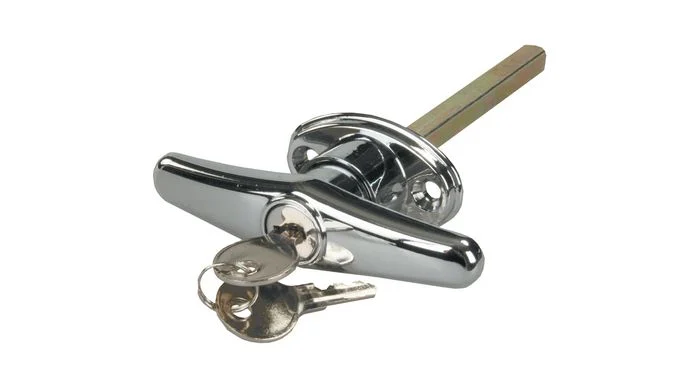
The locking T handle is ingeniously crafted to provide ease of use while ensuring maximum security. Its ergonomic T-shaped design offers a firm grip and effective leverage, allowing for smooth operation. The core of its functionality lies in its locking mechanism, which can range from traditional keys to advanced electronic systems, designed to offer tailored security solutions for various applications.
Materials Used
Locking T handles are manufactured from a variety of materials, each selected for its specific properties. Stainless steel, known for its strength and corrosion resistance, is a popular choice for environments demanding durability. Aluminum offers a lightweight alternative, while zinc alloys provide a cost-effective solution without compromising on security. The choice of material significantly influences the handle's application, longevity, and overall performance.
Types of Locking Mechanisms
The locking mechanism is the heart of the locking T handle, defining its security level. Keyed locks are prevalent for their simplicity and reliability, while combination locks offer keyless convenience. Electronic locks represent the cutting edge, providing features such as remote access, audit trails, and multiple user codes. Understanding the advantages and limitations of each type is crucial in selecting the most suitable locking T handle for your application.
Applications of Locking T Handles
Industrial Use
In the industrial sector, locking T handles are indispensable for securing machinery, access panels, and storage compartments. They prevent unauthorized access, thereby protecting valuable assets and sensitive information. The robust construction of industrial-grade locking T handles ensures they can withstand rigorous use and harsh environments, making them a reliable choice for any facility.
Residential Use
At home, locking T handles enhance the security of garage doors, sheds, and storage units. They provide homeowners with a sense of security, knowing their belongings are safeguarded. Beyond security, these handles offer convenience, allowing easy access while maintaining control over who can enter these spaces.
Maintenance and Care
Regular maintenance is vital to ensure the longevity and proper functioning of your locking T handle. Periodic inspections can identify wear and tear or potential issues before they escalate. Cleaning and lubricating the mechanism are essential steps in maintaining optimal performance and preventing rust or corrosion. Additionally, troubleshooting common problems can extend the handle's lifespan and ensure it remains a reliable security feature.
Choosing the Right Locking T Handle
Selecting the appropriate locking T handle requires careful consideration of various factors. The application environment, required security level, and personal preferences all play a role in this decision. Understanding the different features and options available can guide you to the ideal choice, ensuring that your locking T handle meets your needs effectively and efficiently.
FAQs
What are the most common materials used for locking T handles?
The most common materials are stainless steel, aluminum, and zinc alloy, each offering different benefits in terms of strength, weight, and cost.
How do I choose the right locking mechanism for my locking T handle?
Consider the level of security required, the convenience of operation, and any specific needs like remote access or multiple user codes. Your choice should align with the application's security demands and user preferences.
Can I install a locking T handle myself, or do I need professional assistance?
Many locking T handles are designed for easy installation and come with comprehensive instructions. However, for complex mechanisms or high-security applications, professional installation may be recommended.
How often should I perform maintenance on my locking T handle?
Regular maintenance, including inspection, cleaning, and lubrication, should be performed at least annually or more frequently in harsh environments or high-use applications.
Are there any smart locking T handles available on the market?
Yes, smart locking T handles are becoming increasingly popular, offering advanced features like wireless connectivity, remote access, and integration with home security systems for enhanced convenience and security.
