
Smart Security Starts Here: Best Electronic Keypad Door Lock for Every Need
What Is an Electronic Keypad Door Lock?
Basic Definition
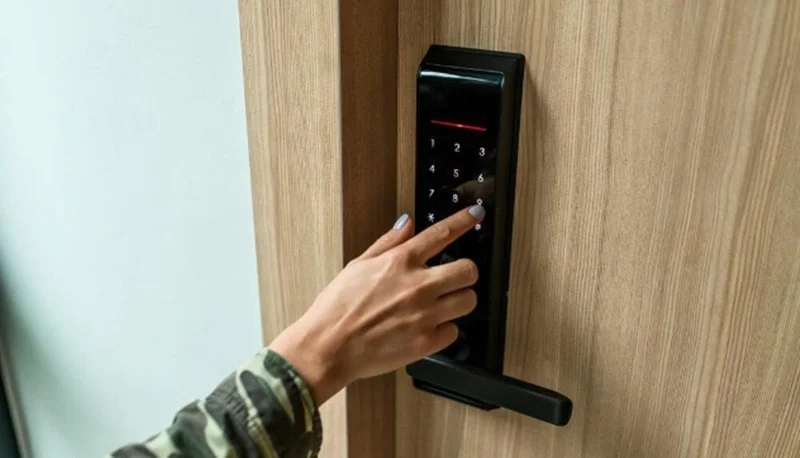
An electronic keypad door lock is a modern locking mechanism that replaces traditional mechanical keys with a numerical keypad. Users simply input a personalized code to gain access. These locks offer a more convenient and technologically advanced method for securing doors in residential, commercial, and industrial environments. The appeal lies in its ability to streamline entry without relying on physical keys, reducing the risk of unauthorized access caused by lost or stolen keys.
How It Differs From Traditional Locks
Unlike conventional locks that depend on keys which can be copied or misplaced, electronic keypad door locks use programmable codes. This means you can update or delete access without changing the entire lock system. Moreover, many keypad locks offer additional features such as audit trails, time-limited access, and mobile integration, setting them apart from old-fashioned locking methods.
Benefits of Using Electronic Keypad Door Locks
Keyless Convenience
One of the most appreciated advantages of keypad locks is the keyless entry system. There’s no need to carry a key or worry about lockouts due to lost keys. It’s perfect for busy households, offices, or rental properties where multiple people need access without the hassle of key management.
Enhanced Security Features
These locks come equipped with features that go beyond basic key security. Tamper alerts, encryption technology, auto-locking functions, and lockout mechanisms after multiple failed attempts are just a few of the safety enhancements. They act as both a deterrent and a protective barrier against unauthorized entries.
User Access Control
Electronic keypad locks allow you to assign individual codes to different users. This is particularly useful for businesses or Airbnb hosts who want to track and control access. You can deactivate or change access codes instantly without needing to retrieve physical keys, making security management more efficient.
Types of Electronic Keypad Door Locks
Standalone Keypad Locks
Standalone models function independently, meaning they are not connected to Wi-Fi or smart home systems. They are perfect for users who want simplicity and reliability without the need for additional technology or power sources beyond batteries.
Smart Keypad Locks
Smart keypad locks connect to your smartphone or home automation systems, enabling you to lock or unlock doors remotely, receive notifications, and monitor usage logs. These are ideal for tech-savvy homeowners or property managers who value control and real-time updates.
Biometric + Keypad Combo
Some high-security environments require dual-authentication. That’s where biometric + keypad combos come in. These locks combine fingerprint recognition with PIN code entry to enhance protection. They’re often used in sensitive areas like labs or data centers.
How Do Electronic Keypad Locks Work?
PIN Code Entry Mechanism
The lock stores multiple PIN codes in its memory. When a correct code is entered, an internal motor or mechanism unlocks the latch. If the code is incorrect, the lock remains engaged and may trigger security responses, such as temporary lockout or alarms.
Locking and Unlocking Process
These locks are usually motorized. Once the right code is input, the motor rotates the locking mechanism internally to disengage the bolt. After a set amount of time or when the door closes, it can automatically re-lock to maintain security without manual intervention.
Where Can You Use Them?
Residential
In homes, keypad locks are commonly installed on main entry doors, garages, and home offices. They simplify access for family members, especially kids, without worrying about lost keys.
Commercial
Businesses use them to control access to offices, storage rooms, and entryways. Different employees can have different codes, enabling better monitoring and accountability of who enters specific areas.
Industrial
For factories or utility facilities, these locks provide durable and secure access control. Some models like those from Vanma even include audit trail features and waterproof housings for harsh environments.
Key Features to Look For
Weather Resistance
Outdoor use demands weatherproof models that resist moisture, dust, and extreme temperatures. Look for IP-rated designs that ensure functionality regardless of weather conditions.
Auto-Locking
Auto-locking ensures that the door automatically locks after a few seconds of being closed, eliminating human error and improving safety—especially useful in busy households or fast-paced office environments.
Temporary Codes
If you're hosting guests or hiring a cleaner, temporary codes allow limited-time access that expires automatically. It’s a great way to maintain security while allowing convenience.
Integration with Smart Devices
Many modern locks integrate with smart hubs like Alexa, Google Assistant, or Apple HomeKit. This adds voice control, real-time monitoring, and seamless operation into your home’s ecosystem.
How Secure Are Electronic Keypad Locks?
Anti-Tampering Protection
Advanced models detect and respond to tampering attempts with loud alarms or automatic lockouts. This discourages break-in attempts and notifies users or connected systems immediately.
Wrong Code Lockouts
To prevent brute force attacks, most keypad locks disable further attempts after multiple wrong entries. This function safeguards your property from persistent intrusion attempts.
Backup Key Overrides
In emergencies where batteries die or electronics fail, hidden keyholes allow mechanical overrides. It’s a practical fallback to ensure you’re never completely locked out.
Battery and Power Considerations
Battery Life
Most electronic keypad locks use AA batteries, which can last from 6 months to a year depending on usage. Some premium models feature energy-efficient designs for even longer battery life.
Low Battery Alerts
Look for locks that provide audible beeps, blinking lights, or app notifications when battery levels are low. These alerts give you ample time to replace batteries before being locked out.
Emergency Power Supply
Many locks include a 9V battery port or USB-C emergency power input, enabling temporary operation in case the internal battery is completely dead.
FAQs
1. Can electronic keypad locks be hacked?
While no system is completely immune, high-end models with encryption and anti-tamper features are very difficult to hack. Always buy from reputable brands and regularly update firmware for optimal security.
2. What happens if I forget my PIN code?
Most locks allow for a master code reset, or you can use the physical key override if available. Some smart locks also offer reset options through their companion apps.
3. Are electronic keypad locks safe for main entry doors?
Yes, especially models designed for exterior use. Choose locks with strong materials, waterproofing, and enhanced security features for front door installations.
4. Do these locks work during a power outage?
Yes. Since most electronic keypad locks are battery-operated, they are unaffected by household power outages, making them reliable in any situation.
5. Is it difficult to install a keypad door lock?
Most models are designed for DIY installation and fit standard door sizes. However, for complex integrations or non-standard doors, hiring a professional might be the best choice.
