
Secure Locker Systems in Banking: A Comprehensive Guide
Locker security in banks is not just a matter of safeguarding valuables; it's about upholding the reputation of the institution and ensuring the trust of its customers. Today, we explore the various facets of locker security, ranging from physical safes to sophisticated digital systems, discussing both traditional mechanisms and innovative technological advancements that secure these critical assets.
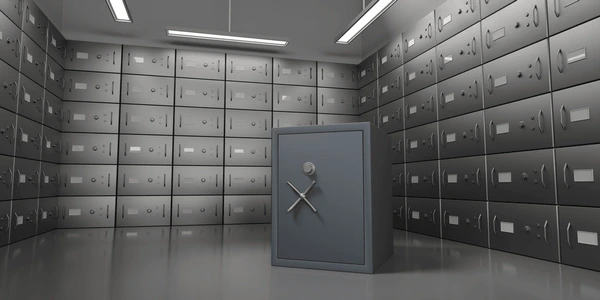
Understanding Bank Locker Security
Bank lockers serve as a secure repository for personal and valuable items. Traditionally protected by manual keys, the security landscape has now expanded to include digital solutions that offer robust protection against both physical and cyber threats.
Modern Security Technologies for Bank Lockers
Electronic Locking Systems
Electronic locks utilize technology such as time locks and audit trails to enhance security. These systems can require multiple forms of authentication, making unauthorized access extremely difficult.
Biometric Security Measures
Biometric systems like fingerprint and retina scanners provide a high level of security by ensuring that only registered individuals can access the lockers. This technology is becoming increasingly popular in modern banks.
Surveillance and Alarm Integration
Comprehensive surveillance systems combined with advanced alarm systems play a crucial role in deterring theft and providing real-time security alerts to bank personnel.
The Role of Physical Security in Locker Protection
The durability of the locker itself is paramount. Employing sturdy materials and construction helps prevent physical tampering. Strategic placement of lockers within the banking hall, away from less surveilled areas, also enhances security.
Digital Innovations in Locker Security
The integration of smart technologies offers remote monitoring capabilities, enabling banks to oversee locker access from anywhere. This not only enhances security but also provides a convenient access log for audit purposes.
Regulatory Compliance and Security Standards
Banks are required to adhere to strict regulatory standards that mandate regular security audits and adherence to best practices in locker security. This compliance ensures that security measures are always up to date and effective.
Challenges in Bank Locker Security
Despite technological advancements, bank lockers remain vulnerable to various threats. Understanding these potential vulnerabilities and implementing strategic defenses is crucial for maintaining robust security.
Customer Interaction and Security
Educating customers on proper locker usage and security protocols is vital. By fostering responsible usage, banks can minimize risks and enhance overall security.
The Future of Bank Locker Security
Looking forward, the use of AI and machine learning in enhancing the predictive capabilities of security systems is likely to revolutionize how banks protect their lockers and respond to security threats.
Choosing the Right Security System for Your Bank
Choosing the appropriate locker security system involves a thorough assessment of the bank's specific needs, the potential risks involved, and the latest technologies available on the market.
Installation and Integration of Security Systems
Proper installation and seamless integration with existing banking systems are critical for maintaining the functionality and security of new systems without interrupting daily operations.
Maintenance and Upgradation of Security Systems
To ensure continuous protection, banks must regularly maintain and upgrade their security systems to counteract emerging threats and incorporate technological advances.
Role of Insurance in Security
While robust security measures are essential, insurance provides an additional layer of protection by compensating for losses in the event of theft or damage, thus complementing the overall security strategy of banks.
Case Studies
By examining real-life scenarios of successful security implementations and notable failures, banks can glean insights and practical strategies for enhancing their own locker security measures.
Conclusion
As banks continue to innovate and adopt new technologies, the security of bank lockers will only strengthen, ensuring safer storage for customer valuables and bolstering the trust that customers place in these institutions.
FAQs After The Conclusion
What are the most reliable security technologies for bank lockers?
Electronic locks, biometric systems, and integrated surveillance setups are considered among the most reliable technologies for enhancing bank locker security.
How often should bank locker security systems be audited?
Security systems should ideally be audited annually to ensure compliance with the latest security standards and to address any potential vulnerabilities.
What role does customer behavior play in maintaining locker security?
Customer behavior is crucial; educating customers on secure practices and enforcing strict access protocols significantly reduces the risk of security breaches.
How do biometric systems enhance bank locker security?
Biometric systems provide a high level of security by using unique physical characteristics such as fingerprints or retina patterns, which are nearly impossible to replicate or forge.
Can digital security systems completely replace traditional locks?
While digital systems offer significant advantages in terms of monitoring and access control, a combination of digital and traditional locks is often used to provide a layered security approach.
