
Master Key for Cabinet Lock
Introduction
Imagine the frustration of juggling multiple keys for different cabinets in your home or office. It’s not just inconvenient but also a potential security risk. Enter the master key system—a solution that offers both convenience and enhanced security. This system is designed to streamline access and reduce the complexity of key management, providing a unified solution for various locking mechanisms. In this article, we’ll delve into the world of master key systems, focusing specifically on their application in cabinet locks. We will explore the functionality, benefits, and future trends of these systems to help you understand their importance in modern security management.
What is a Master Key?
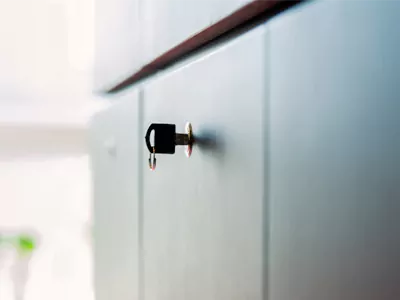
A master key is a specially designed key that can open multiple locks within a group, providing access control while simplifying the key management process. This concept dates back centuries and has evolved significantly to meet modern security needs. Initially used in large estates and businesses, the master key system has now become a staple in various sectors, from residential to industrial applications. The historical progression of master keys showcases their adaptation to increasingly complex security environments, demonstrating their enduring relevance and utility.
How Does a Master Key Work?
The functioning of a master key revolves around a sophisticated pin-tumbler mechanism. In a standard lock, the key lifts pins to a specific height, allowing the cylinder to turn and the lock to open. A master key lock incorporates additional pins, creating multiple shear lines that enable different keys to open the same lock. This system allows for both individual keys and a master key to coexist, providing tiered access control. Understanding the technical workings of these mechanisms can help in appreciating the balance between security and convenience that master key systems offer.
Types of Master Key Systems
Single Master Key System
A basic system where one master key can open all locks, while individual keys open specific locks. This system is ideal for smaller setups where simplicity and ease of use are paramount. It offers a straightforward solution for environments where the number of locks and keys is manageable.
Grand Master Key System
A hierarchical system where a grand master key can open all locks, master keys can open specific groups, and individual keys open specific locks within those groups. This system is suitable for larger organizations with multiple departments, each requiring different levels of access. It ensures a structured and organized approach to access control.
Great Grand Master Key System
The most complex, allowing for multiple levels of master keys, suitable for very large organizations with intricate access needs. This system is designed for extensive facilities with a high degree of segmentation, ensuring that access is precisely controlled at various levels of the organization.
Benefits of Using a Master Key for Cabinet Locks
Convenience and Efficiency
No more fumbling through a keyring of dozens of keys. One key can provide access to multiple cabinets, streamlining operations. This not only saves time but also reduces the stress associated with managing numerous keys.
Enhanced Security
Master key systems allow for controlled access, reducing the risk of unauthorized entry. By limiting access to specific keys and providing a clear hierarchy of control, these systems enhance overall security.
Cost-Effectiveness
Reduces the need for duplicating and managing numerous keys, ultimately saving time and money. The initial investment in a master key system is offset by the long-term savings in maintenance and key management.
Applications of Master Key Systems
Residential Use
Ideal for homes with multiple rooms or cabinets, simplifying key management. Homeowners can benefit from the convenience of having a single key for all locks, enhancing both security and ease of use.
Commercial and Industrial Use
Enhances security and efficiency in offices, warehouses, and factories. Businesses can streamline access control, ensuring that employees have the necessary access without compromising security.
Institutional Use
Schools, hospitals, and other institutions benefit greatly from streamlined access control. These environments require a high level of security and efficient management of access, which master key systems provide.
Choosing the Right Master Key System
Selecting the appropriate master key system depends on several factors, including the size of the facility, the level of security required, and the specific needs of the users. Customization options are available to tailor the system to your exact requirements, ensuring optimal performance and security. Consulting with security experts can help in making the right choice for your specific context.
Installation and Maintenance of Master Key Systems
Proper installation is crucial for the effectiveness of a master key system. It’s advisable to engage professional locksmiths who specialize in master key installations. Regular maintenance, including periodic checks and updates, ensures the system remains secure and functional. Scheduled maintenance helps in identifying potential issues early, ensuring long-term reliability and security.
Security Concerns and How to Address Them
While master key systems offer enhanced security, they are not without potential risks. Unauthorized duplication and loss of master keys are primary concerns. Implementing stringent key control policies, regular audits, and advanced technologies like encrypted keys can mitigate these risks. Training personnel on the importance of key security and establishing protocols for lost or stolen keys are essential steps in maintaining system integrity.
Case Studies: Successful Implementation of Master Key Systems
Office Building
An office complex adopted a master key system, significantly improving access control and reducing key management hassles. The system allowed for efficient access to various departments while maintaining high security standards.
Hospital
A large hospital implemented a master key system, ensuring secure access to sensitive areas while providing convenience to medical staff. This system facilitated quick and controlled access to emergency and restricted zones, enhancing overall operational efficiency.
Educational Institution
A university utilized a master key system to manage access across multiple buildings, enhancing security and operational efficiency. The system provided tiered access control, ensuring that different user groups had appropriate levels of access.
Technological Advancements in Master Key Systems
Modern master key systems have evolved to include digital and electronic components. These advancements allow for integration with smart security solutions, offering features like remote access, audit trails, and automatic rekeying. The incorporation of these technologies enhances both security and convenience, making master key systems more versatile and adaptable to various needs.
Common Misconceptions About Master Key Systems
Myth 1: Master keys are easy to duplicate.
In reality, duplicating a master key requires specialized equipment and authorization. Strict control measures and advanced technology make unauthorized duplication highly unlikely.
Myth 2: Master key systems are expensive.
While there is an initial investment, the long-term benefits and savings outweigh the costs. The efficiency and security improvements provided by a master key system justify the initial expenditure.
Myth 3: Master key systems compromise security.
When properly implemented and maintained, they enhance security. The structured access control provided by master key systems actually reduces the risk of unauthorized access.
Future Trends in Master Key Systems
Emerging technologies such as biometrics and blockchain are set to revolutionize master key systems. These innovations promise even greater security, convenience, and adaptability, ensuring master key systems remain relevant in the future. Continuous advancements will likely integrate more seamlessly with other smart technologies, offering holistic security solutions.
Frequently Asked Questions (FAQs)
How secure are master key systems?
Master key systems are highly secure when properly implemented and maintained. Advanced technologies and strict key control policies enhance their security, making them a reliable choice for various applications.
Can master keys be duplicated?
Duplicating master keys is difficult and typically requires authorization and specialized equipment, reducing the risk of unauthorized duplication. Implementing robust key control measures further mitigates this risk.
What happens if a master key is lost?
If a master key is lost, it’s crucial to rekey the locks immediately to maintain security. Modern systems offer quick rekeying solutions to address this issue, ensuring minimal disruption to security.
How do master keys affect insurance?
Master key systems can positively impact insurance policies by demonstrating enhanced security measures, potentially leading to reduced premiums. Insurance providers may view the structured access control as a significant risk-reducing factor.
Are master key systems suitable for small businesses?
Yes, master key systems are scalable and can be customized to fit the needs of small businesses, providing both security and convenience. They offer a cost-effective solution for managing access control efficiently.
Conclusion
Master key systems offer a perfect blend of convenience and security, making them an ideal solution for managing cabinet locks in various settings. From residential homes to large institutions, the benefits of using a master key system are undeniable. By choosing the right system, ensuring proper installation and maintenance, and staying informed about technological advancements, you can enhance your security and streamline your operations.
