
Double cabinet door locks are vital security components for both residential and commercial settings, designed to safeguard valuable possessions and sensitive information stored within cabinets. These specialized locks are tailored for double doors, offering a robust mechanism to deter unauthorized access. They come in a variety of types, each suited to different security needs and preferences, ensuring that whatever your situation, there is an effective solution available.
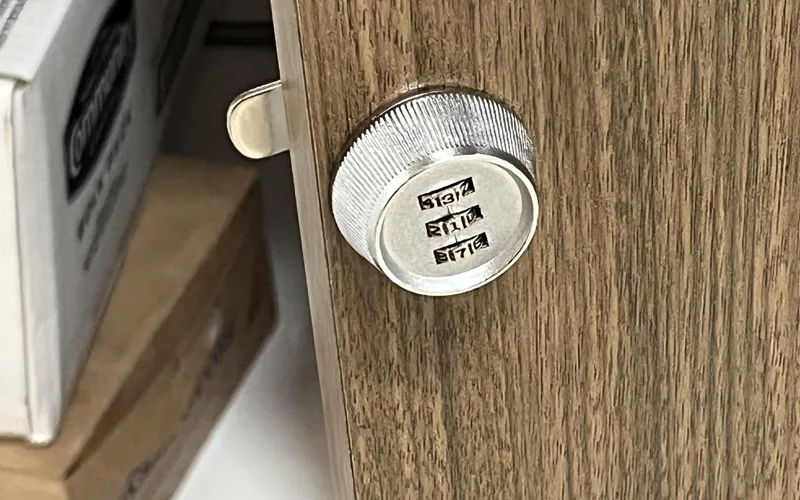
Mechanical locks are traditional yet reliable choices for securing cabinets. They include options like padlocks, deadbolts, and cam locks. Padlocks offer portability and ease of use, deadbolts provide substantial security for fixed installations, and cam locks are ideal for low-profile applications where aesthetics are also a concern. Each type has its strengths and is suitable for different applications, from simple storage safes to sophisticated filing cabinets in office environments.
Electronic locks represent the forefront of lock technology, incorporating keypads, card readers, or biometric systems to allow access. These locks benefit from the ability to change access codes or credentials without physical modifications to the lock hardware, providing a versatile and secure option for high-turnover environments. They are particularly popular in offices and retail settings where access control can also be integrated with other digital security systems.
Magnetic locks utilize an electromagnetic force to maintain a locked state, providing a unique solution that is both secure and resilient against physical attack. These locks are usually powered by electricity, making them less prone to mechanical failure and ideal for high-security areas in commercial buildings. Their seamless operation and quick locking mechanism make them suitable for emergency exits and high-traffic doors.
Choosing the right lock involves assessing the level of security required, the type of material used in your cabinet doors, and the specific needs of your environment, such as the risk level and the type of access control desired. It is crucial to select a lock that offers strong resistance to tampering and environmental durability to ensure it remains effective over time.
When selecting a lock, consider the overall security strategy of your premises. Evaluate the ease of use for authorized users and the lock's integration capabilities with other security systems. Additionally, consider future needs and the potential need for upgrades or changes in access requirements, which might steer you towards more flexible, reconfigurable locking mechanisms.
Proper installation begins with preparation. Gather all necessary tools and hardware, ensure the doors are properly aligned, and the installation surface is clean and stable. Measure twice to avoid drilling unnecessary holes and plan the layout of the lock components to ensure smooth operation after installation.
Installing a double cabinet door lock involves careful attention to detail. Begin by marking the exact locations for drilling based on the lock’s template. Drill the necessary holes, then secure the lock mechanism and any accompanying elements like strike plates or electronic sensors. Test the lock several times to ensure it engages and releases correctly and make any needed adjustments to the alignment or tightening of components.
Maintain your locks by regularly checking for signs of wear and tear or mechanical issues. Clean the lock mechanisms gently with a suitable cleaner and apply lubricant to moving parts if required. This will keep the mechanisms smooth and extend the life of the lock.
If a lock becomes stuck or fails to operate, first check for simple solutions like battery replacement for electronic locks or realignment of the lock components. If problems persist, consult a professional locksmith or the lock manufacturer for advice or service.
Integrating smart technology with double cabinet door locks can significantly enhance security. Smart locks may feature remote access capabilities, usage logs, and integration with broader security or home automation systems, providing both enhanced security and increased convenience.
Additional security features can include integrated alarms, timed access restrictions, and multi-factor authentication which further bolster security measures and deter unauthorized access effectively.
The cost of double cabinet door locks varies widely based on the type and features of the lock. Establish a budget that accounts for both the initial purchase and potential maintenance or upgrades. Higher initial costs for advanced locks can lead to long-term savings in security and operational efficiency.
When installing new locks, ensure compliance with local safety and privacy regulations. This is particularly important for locks with recording capabilities or those that handle sensitive information.
Choosing and using the right double cabinet door locks is crucial for maintaining security and privacy. By understanding the various types available, how to select, install, and maintain them, organizations and individuals can effectively safeguard their assets.
Electronic locks with biometric capabilities are generally considered the most secure, as they provide customizable user access and can be integrated with other security systems.
Maintenance should be carried out at least once a year, but more frequently if the locks are used extensively or exposed to harsh conditions.
Yes, particularly electronic locks, which can often be connected to broader security systems for comprehensive monitoring and control.
Initial steps include checking for obvious issues like dead batteries or misalignment. If the problem persists, contacting a professional locksmith or the manufacturer's support team is advisable.
Yes, compliance with local building codes and regulations is essential, especially for locks that involve complex installations or integrate with networked security systems.
