
Introduction to Cam Lock Clamps
Cam lock clamps are essential tools in various industries, from automotive to construction. Their unique design and functionality make them indispensable for securely holding objects in place during assembly, manufacturing, and more. In this comprehensive guide, we will delve deep into what cam lock clamps are, how they work, their various types, and how to choose the right one for your needs. Whether you’re a seasoned professional or new to using these clamps, this article will equip you with the knowledge you need to make the most of cam lock clamps in your work.
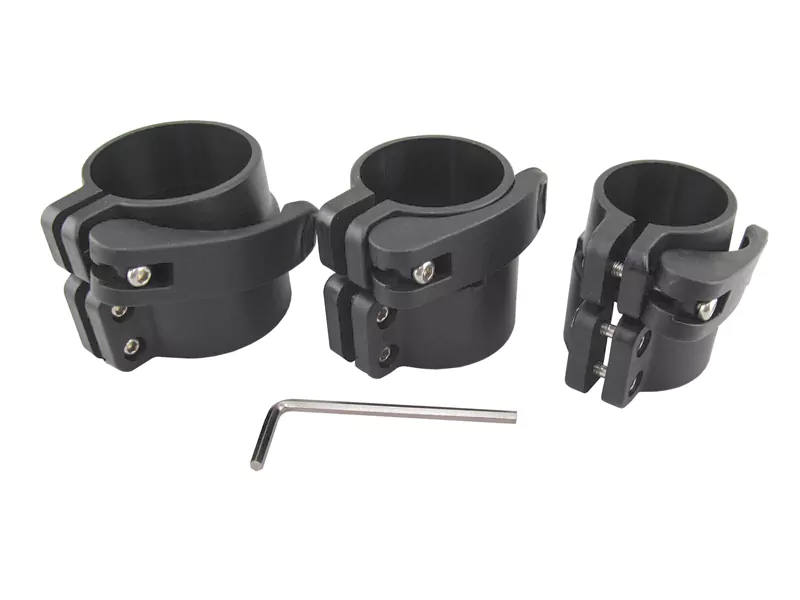
Understanding the Basics of Cam Lock Clamps
What Makes a Cam Lock Clamp Different?
Cam lock clamps are distinguished by their cam mechanism, which allows for quick and easy locking and unlocking. This mechanism provides a more secure and efficient way to hold objects compared to traditional clamps that rely solely on screws or levers. The cam’s ability to generate a strong clamping force with minimal effort makes these clamps particularly useful in scenarios where time and precision are crucial. Unlike other clamps, cam lock clamps can be adjusted quickly, reducing downtime and increasing productivity in various applications.
Common Materials Used in Cam Lock Clamps
The material composition of a cam lock clamp significantly affects its performance and durability. Depending on the application, different materials offer unique advantages. The most common materials include aluminum, stainless steel, and plastic. Each of these materials is selected based on the specific requirements of the task at hand, such as load capacity, environmental resistance, and cost-effectiveness.
Aluminum
Aluminum is widely used for cam lock clamps due to its lightweight nature and strong durability. It is particularly suitable for industries like aerospace, where weight is a critical factor. Aluminum clamps are also resistant to corrosion, making them ideal for environments where moisture or chemicals are present. Despite being lightweight, aluminum cam lock clamps provide a strong grip, making them a popular choice in many industrial applications.
Stainless Steel
Stainless steel cam lock clamps are known for their exceptional strength and resistance to corrosion. These clamps are often used in environments where hygiene is a priority, such as in the food and beverage industry, or where exposure to corrosive substances is common. The durability of stainless steel ensures that the clamps maintain their performance over long periods, even under harsh conditions.
Plastic
Plastic cam lock clamps are typically used in lighter applications where cost and chemical resistance are important factors. These clamps are not as strong as their metal counterparts, but they offer sufficient holding power for many tasks. They are also resistant to certain chemicals, making them suitable for specialized environments. Plastic clamps are an economical choice for applications where heavy-duty strength is not required.
How Cam Lock Clamps Work
The Mechanics Behind Cam Lock Clamps
The functionality of a cam lock clamp revolves around its cam mechanism. When the cam is rotated, it exerts pressure on the clamp’s jaws, creating a tight grip on the object being secured. This process requires less manual effort compared to traditional clamps and allows for rapid adjustments. The cam mechanism’s design ensures a consistent and reliable hold, making it ideal for repetitive tasks where precision and speed are necessary.
Step-by-Step Guide on Using a Cam Lock Clamp
Using a cam lock clamp is straightforward, but following the correct steps ensures maximum effectiveness:
- Position the Clamp: Place the clamp around the object or surface you need to secure.
- Adjust the Jaw: Use the adjustment mechanism to bring the jaws close to the object.
- Engage the Cam: Rotate the cam to lock the jaws in place, ensuring a firm grip.
- Release: To release the clamp, simply rotate the cam in the opposite direction.
Common Applications of Cam Lock Clamps
Cam lock clamps are used in a diverse range of applications. In manufacturing, they are essential for holding components in place during assembly or welding. In automotive settings, they secure parts during repairs or fabrication. The quick-release feature of these clamps is particularly beneficial in high-paced environments like assembly lines, where speed and efficiency are paramount.
Types of Cam Lock Clamps
Lever-Operated Cam Lock Clamps
Lever-operated cam lock clamps are designed for ease of use, allowing the operator to lock and release the clamp quickly. This type of clamp is ideal for applications that require frequent adjustments or repositioning, such as in woodworking or light manufacturing. The lever mechanism provides a secure hold while still being easy to operate, making it a versatile tool in various settings.
Screw-Operated Cam Lock Clamps
Screw-operated cam lock clamps offer precise control over the clamping force. The screw mechanism allows the user to adjust the tension to the exact level needed, making these clamps ideal for delicate tasks where over-tightening could damage the workpiece. They are commonly used in applications requiring fine adjustments, such as in machining or metalworking.
Quick-Release Cam Lock Clamps
Quick-release cam lock clamps are designed for maximum efficiency. Their rapid release feature makes them perfect for assembly line work or other tasks where the clamp needs to be engaged and disengaged frequently. These clamps are often used in industries like automotive manufacturing, where time is a critical factor, and delays can lead to increased costs.
Heavy-Duty Cam Lock Clamps
Heavy-duty cam lock clamps are built for strength and durability. They are used in demanding applications such as construction or industrial manufacturing, where maximum holding power is required. These clamps can handle large loads and provide a secure grip, even under challenging conditions. Their robust construction ensures that they can withstand heavy use and harsh environments.
Advantages of Using Cam Lock Clamps
Durability and Strength
One of the main advantages of cam lock clamps is their durability. Made from high-quality materials like aluminum and stainless steel, these clamps are designed to withstand heavy use over long periods. Their robust construction ensures that they provide a reliable grip, even in demanding environments. This durability makes them a cost-effective choice for industries where equipment must endure constant use.
Versatility in Applications
Cam lock clamps are incredibly versatile. They can be used in a wide range of industries, from automotive and aerospace to construction and manufacturing. Whether you need to hold a delicate piece in place or secure a heavy object during assembly, there is a cam lock clamp suited to the task. This versatility makes them an indispensable tool in many work environments.
Ease of Use and Quick Operation
The ease of use is another significant advantage of cam lock clamps. The cam mechanism allows for quick and easy operation, saving time and effort. This feature is particularly valuable in fast-paced environments where every second counts. The ability to quickly adjust and release the clamp enhances productivity and makes these tools user-friendly, even for those new to using clamps.
Common Industries That Use Cam Lock Clamps
Automotive Industry
In the automotive industry, cam lock clamps are used extensively for assembling parts, securing components during testing, and holding materials in place during fabrication. Their strength and ease of use make them ideal for tasks that require both precision and speed. Whether it’s holding a part during welding or securing a component for testing, cam lock clamps are a trusted tool in automotive workshops.
Manufacturing Industry
The manufacturing industry relies on cam lock clamps for a variety of tasks, including welding, machining, and assembly. These clamps provide the strength and reliability needed to hold materials securely, ensuring that processes are carried out with precision. Their quick-release feature is particularly beneficial in manufacturing settings, where efficiency and productivity are key.
Aerospace Industry
Precision is critical in the aerospace industry, and cam lock clamps play a crucial role in maintaining that precision during assembly and testing. These clamps are used to hold parts securely, ensuring that they are positioned correctly before being permanently fixed. The high-quality materials used in cam lock clamps, such as aluminum and stainless steel, make them suitable for the demanding requirements of aerospace applications.
Construction Industry
In construction, cam lock clamps are used to secure materials and components, ensuring that structures are built with accuracy and stability. Their durability and strength make them ideal for holding heavy materials in place during the construction process. Whether it’s securing a beam or holding a panel in place, cam lock clamps provide the reliable grip needed in construction settings.
Choosing the Right Cam Lock Clamp for Your Needs
Factors to Consider
Choosing the right cam lock clamp involves several important considerations. You’ll need to think about the load capacity, material compatibility, and size of the clamp to ensure it meets the specific needs of your project. By carefully evaluating these factors, you can select a clamp that provides the necessary strength and durability while fitting within the constraints of your work environment.
Load Capacity
The load capacity of a cam lock clamp is one of the most critical factors to consider. This refers to the maximum weight or force that the clamp can safely handle. Ensuring that the clamp’s load capacity is sufficient for your needs is essential for both safety and effectiveness. Overloading a clamp can lead to failure, potentially causing damage or injury.
Material Compatibility
Material compatibility is another key consideration. The material of the objects you are clamping should be compatible with the clamp’s material to prevent any adverse reactions, such as corrosion. For instance, stainless steel clamps are ideal for corrosive environments, while aluminum clamps are better suited for applications where weight is a concern. Choosing the right material ensures the longevity and effectiveness of the clamp.
Size and Dimensions
The size and dimensions of the clamp must be appropriate for the objects you need to secure. A clamp that is too large or too small will not provide the necessary grip, leading to potential slippage or movement. Measuring the dimensions of your workpieces and selecting a clamp that fits those measurements is crucial for achieving a secure hold.
Maintenance and Care Tips for Cam Lock Clamps
Regular Inspection and Cleaning
Regular inspection and cleaning are vital to maintaining the performance and longevity of your cam lock clamps. Over time, dirt and debris can accumulate on the clamp, affecting its operation. By cleaning the clamp regularly and inspecting it for signs of wear and tear, you can ensure that it continues to function effectively. Replace any worn components to maintain the clamp’s grip and performance.
Lubrication Tips for Smooth Operation
Lubricating the cam mechanism is essential for smooth operation. A well-lubricated cam will rotate more easily, reducing the effort required to lock and release the clamp. This is particularly important in environments where the clamp is used frequently or under heavy loads. Regular lubrication also helps to prevent rust and corrosion, further extending the life of the clamp.
Troubleshooting Common Issues
Even the best cam lock clamps can encounter issues. Common problems include the clamp not holding securely or the cam mechanism becoming stiff. These issues are often caused by wear and tear or a lack of maintenance. Troubleshooting these problems typically involves inspecting the clamp for damage, lubricating moving parts, and replacing worn components. Addressing issues promptly ensures that your clamps remain reliable and effective.
Safety Tips When Using Cam Lock Clamps
Proper Handling and Usage
Safety should always be a priority when using cam lock clamps. Proper handling and usage are essential to prevent accidents and ensure the effectiveness of the clamp. Always follow the manufacturer’s instructions and guidelines when using the clamp. Ensure that the clamp is positioned correctly and that the cam is fully engaged before applying any force. This prevents the clamp from slipping or releasing unexpectedly.
Ensuring Secure Clamping
To ensure a secure clamping action, always double-check that the cam is fully engaged and that the object is held firmly in place. This is particularly important when working with heavy or delicate materials, where a secure hold is crucial. Take the time to test the clamping action before proceeding with your work to avoid any potential issues.
Avoiding Over-tightening
Over-tightening the clamp can cause damage to both the clamp and the object being secured. It’s important to apply just enough pressure to hold the object firmly in place without exceeding the clamp’s capacity. Over-tightening can also lead to premature wear and tear on the clamp, reducing its lifespan and effectiveness.
Cam Lock Clamps vs. Other Types of Clamps
Cam Lock Clamps vs. C-Clamps
C-clamps are a traditional clamping tool that provides a strong hold, but they require more effort to adjust and secure compared to cam lock clamps. The main advantage of cam lock clamps over C-clamps is their quick operation. While C-clamps are suitable for tasks that don’t require frequent adjustments, cam lock clamps excel in environments where speed and efficiency are essential.
Cam Lock Clamps vs. Bar Clamps
Bar clamps are designed for clamping wider materials, but they can be cumbersome to use. Cam lock clamps, on the other hand, offer a more compact and user-friendly design. While bar clamps are great for larger projects, cam lock clamps are better suited for tasks that require a quick and secure hold. The ease of use and versatility of cam lock clamps make them a preferred choice for many professionals.
Cam Lock Clamps vs. Pipe Clamps
Pipe clamps are ideal for clamping large, bulky objects, but they can be overkill for smaller tasks. Cam lock clamps provide a more practical solution for clamping smaller or more delicate objects. They offer the same level of security as pipe clamps but are easier to handle and adjust. This makes cam lock clamps a more versatile tool for a wider range of applications.
The Future of Cam Lock Clamps
Innovations in Cam Lock Clamp Design
The design of cam lock clamps continues to evolve, with new innovations improving their functionality and ease of use. Recent developments include more ergonomic designs that reduce hand fatigue, as well as clamps with enhanced grip strength for heavier loads. As industries demand more efficient and reliable tools, cam lock clamps are likely to see further advancements in both materials and design.
New Materials and Technologies
Future cam lock clamps may incorporate advanced materials like carbon fiber, which offers high strength without the added weight. Additionally, smart technology could be integrated into clamp designs, allowing for real-time monitoring of clamping force and position. These advancements will not only enhance the performance of cam lock clamps but also broaden their applications in various industries.
Frequently Asked Questions (FAQs)
What is the maximum load capacity of a cam lock clamp?
The maximum load capacity of a cam lock clamp varies depending on its size and material. Generally, these clamps can handle loads ranging from a few hundred pounds to several thousand pounds. It’s essential to choose a clamp with a load capacity that meets or exceeds the requirements of your specific application to ensure safety and effectiveness.
Can cam lock clamps be used in high-temperature environments?
Yes, cam lock clamps can be used in high-temperature environments, but it’s crucial to select a clamp made from materials that can withstand such conditions. Stainless steel clamps, for example, are highly resistant to heat and are commonly used in environments where temperatures are elevated. Always check the manufacturer’s specifications to ensure the clamp is suitable for high-temperature use.
How do I choose the right size of cam lock clamp?
Choosing the right size of a cam lock clamp involves measuring the dimensions of the objects you need to secure and selecting a clamp that can accommodate those dimensions. The clamp should provide a snug fit without being too tight or too loose. Additionally, consider the load capacity and material compatibility when selecting the appropriate size.
Are cam lock clamps suitable for outdoor use?
Many cam lock clamps are suitable for outdoor use, particularly those made from corrosion-resistant materials like stainless steel. These clamps can withstand exposure to moisture, chemicals, and varying temperatures, making them ideal for outdoor applications. However, regular maintenance, such as cleaning and lubrication, is essential to ensure their longevity in outdoor environments.
What is the average lifespan of a cam lock clamp?
The average lifespan of a cam lock clamp depends on factors such as the material, frequency of use, and maintenance. High-quality clamps made from durable materials like stainless steel can last for many years, even with regular use. Proper care, including regular cleaning, lubrication, and inspection, can significantly extend the life of the clamp, ensuring it remains effective over time.
Conclusion
Cam lock clamps are versatile, durable, and essential tools in various industries. From automotive and manufacturing to aerospace and construction, these clamps provide a reliable and efficient way to secure materials during assembly, fabrication, and testing. Understanding how to choose, use, and maintain cam lock clamps will ensure that you get the most out of these indispensable tools. Whether you need a lightweight clamp for delicate tasks or a heavy-duty clamp for demanding applications, cam lock clamps offer the strength and ease of use that professionals rely on.
