
How to Remove a Cam Lock
Have you ever been stumped by a cam lock? These little devices are common in everything from file cabinets to toolbox drawers, and knowing how to remove one can save you a lot of hassle. In this article, we'll walk you through the process of removing a cam lock, ensuring you're equipped with the knowledge to tackle this task confidently.
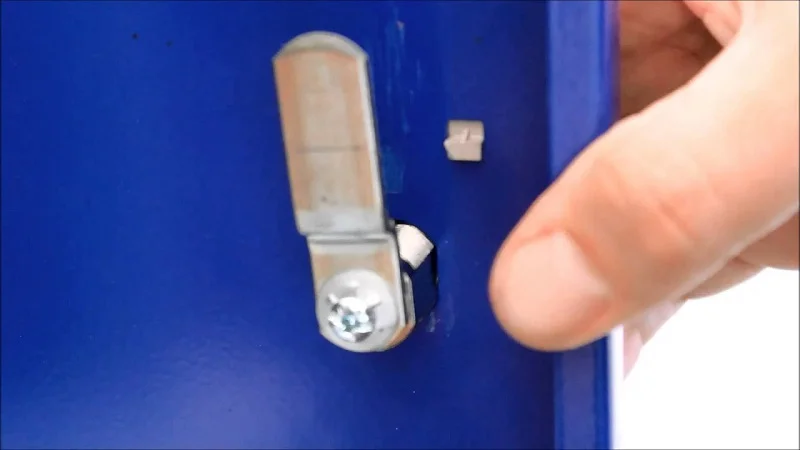
What is a Cam Lock?
A cam lock is a type of fastener commonly used in furniture, cabinets, and various security applications. It's a simple, cylindrical locking mechanism that rotates to secure or release the lock. Cam locks are designed for ease of use and are prevalent due to their versatility and reliability. They can be found in both residential and commercial settings, providing secure access control in various situations.
Common Uses of Cam Locks
Cam locks are found in a variety of places, including:
- Office furniture (like filing cabinets)
- Mailboxes
- Toolboxes
- Vending machines
- Display cases
Importance of Knowing How to Remove a Cam Lock
Whether you're upgrading your locks, need to access a locked compartment, or are performing maintenance, knowing how to remove a cam lock is a handy skill. It's not just about gaining access; it's also about doing it without damaging your furniture or equipment. This knowledge can save you time and money, allowing you to handle minor lock-related issues on your own without needing to call a locksmith.
Tools Needed for Removing a Cam Lock
Before you begin, gather the necessary tools. Having the right tools on hand can make the process smoother and prevent unnecessary frustration.
Basic Tools
- Flathead screwdriver
- Phillips screwdriver
- Adjustable wrench
- Pliers
These basic tools are commonly found in most households and are essential for removing a cam lock effectively.
- Phillips screwdriver
- Adjustable wrench
- Pliers
These basic tools are commonly found in most households and are essential for removing a cam lock effectively.
Specialized Tools
- Penetrating oil (for stuck nuts)
- Heat gun (if needed for stubborn locks)
- Lock pick set (if you don't have a key)
These specialized tools are useful for more challenging lock removals, especially if the lock is old or particularly resistant to being removed.
- Heat gun (if needed for stubborn locks)
- Lock pick set (if you don't have a key)
These specialized tools are useful for more challenging lock removals, especially if the lock is old or particularly resistant to being removed.
Preparation Before Removing a Cam Lock
Preparation is key to ensuring a smooth removal process. Proper preparation can prevent damage to your furniture or lock and ensure you have everything you need at hand.
Safety Precautions
- Always wear safety glasses to protect your eyes from debris.
- Gloves can protect your hands from sharp edges.
Safety should always be your first priority. Taking these precautions can help you avoid injuries while working on the lock.
- Gloves can protect your hands from sharp edges.
Safety should always be your first priority. Taking these precautions can help you avoid injuries while working on the lock.
Organizing Your Work Area
- Clear your workspace of unnecessary items.
- Lay out your tools within easy reach.
Having a tidy and organized workspace can make the process quicker and more efficient. It also helps in ensuring you don't misplace any small parts during the removal.
- Lay out your tools within easy reach.
Having a tidy and organized workspace can make the process quicker and more efficient. It also helps in ensuring you don't misplace any small parts during the removal.
Identifying the Type of Cam Lock
Not all cam locks are the same. Some may have additional security features, so it's important to identify what type of cam lock you're dealing with. This will determine the specific steps you need to follow. Checking the manufacturer's details or looking for distinguishing features can help you identify the lock type accurately.
Step-by-Step Guide to Removing a Cam Lock
Now, let's dive into the detailed process of removing a cam lock. Follow these steps carefully to ensure successful removal without causing damage.
Removing a Basic Cam Lock
Step 1: Unlock the Cam Lock
Using the key, turn the cam lock to the unlocked position. This is the first and most crucial step. If you don't have the key, you might need to use a lock pick set to unlock it.
Step 2: Locate the Cam Lock Nut
Look inside the cabinet or drawer to find the retaining nut securing the cam lock. This nut is typically located at the back of the cam lock, holding it in place.
Step 3: Use a Wrench to Loosen the Nut
Using an adjustable wrench, turn the nut counterclockwise until it's loose enough to remove by hand. Be gentle to avoid stripping the nut or damaging the surrounding area.
Step 4: Remove the Cam Lock Body
Once the nut is removed, you can pull the cam lock body out from the front of the panel. If it's stuck, wiggle it gently to free it from its position.
Removing a High-Security Cam Lock
Step 1: Unlock the High-Security Cam Lock
Insert the key and turn it to the unlocked position. High-security cam locks often have more complex mechanisms, so ensure you're using the correct key.
Step 2: Remove the Security Cover
Some high-security cam locks have an additional cover that needs to be removed first. Use a screwdriver to take off any screws securing the cover. This cover adds an extra layer of security and may require some effort to remove.
Step 3: Locate and Loosen the Retaining Nut
As with a basic cam lock, use an adjustable wrench to turn the retaining nut counterclockwise. The nut may be hidden or harder to reach due to the added security features.
Step 4: Detach the Cam Lock Mechanism
After removing the nut, the cam lock mechanism can be pulled out from the front. Be careful and gentle, as high-security locks can be more delicate and complex.
Troubleshooting Common Issues
Even with the best preparation, you might encounter some challenges. Here’s how to troubleshoot common problems you might face during the removal process.
Cam Lock Won't Unlock
Possible Causes
Several factors can cause a cam lock to remain locked, such as using the wrong key, wear and tear, or internal damage.
Solutions
- Double-check the key and try again.
- If the lock is damaged, use a lock pick set or seek professional help.
- Apply a lubricant to the keyhole and try turning the key gently.
If the lock remains stubborn, it might be time to call a locksmith for assistance.
- If the lock is damaged, use a lock pick set or seek professional help.
- Apply a lubricant to the keyhole and try turning the key gently.
If the lock remains stubborn, it might be time to call a locksmith for assistance.
Cam Lock Nut is Stuck
Using Penetrating Oil
Apply penetrating oil to the nut and let it sit for a few minutes to loosen any rust or debris. This can make it easier to turn the nut without applying excessive force.
Applying Heat
Use a heat gun to gently warm the nut. This can expand the metal slightly, making it easier to turn. Be cautious with the heat to avoid damaging surrounding materials.
Tips for Maintaining Your Cam Locks
Regular maintenance can extend the life of your cam locks and ensure they function smoothly. Here are some tips to keep your cam locks in top condition.
Regular Cleaning
Wipe down your cam locks with a damp cloth to remove dust and grime. Regular cleaning prevents build-up that can affect the lock's performance.
Lubrication
Apply a small amount of lubricant to the lock mechanism to keep it operating smoothly. Use a lubricant designed for locks to avoid attracting dust and dirt.
Inspection and Replacement
Regularly inspect your locks for signs of wear and replace them if they appear damaged or difficult to operate. Early detection of issues can prevent more significant problems down the line.
Conclusion
Removing a cam lock is a straightforward process with the right tools and a bit of know-how. Whether you're dealing with a basic or high-security cam lock, following these steps will help you get the job done efficiently and safely. Regular maintenance and proper handling can extend the life of your locks, ensuring they continue to provide the security you need.
FAQs
How do I know if my cam lock is high-security?
High-security cam locks often have additional features like security covers or complex key patterns. Check the manufacturer's specifications or consult the product manual to identify if your lock has these features.
Can I remove a cam lock without a key?
Yes, but it requires more effort and specialized tools like a lock pick set. If you don't have the right tools or experience, consider calling a locksmith to avoid damaging the lock or the surrounding area.
What should I do if the cam lock is damaged?
If the cam lock is damaged and won't unlock, you may need to drill it out or use a lock pick set. In some cases, professional assistance might be necessary to avoid further damage or complications.
How often should I maintain my cam locks?
It's a good idea to inspect and maintain your cam locks every six months. Regular lubrication and cleaning can prevent many common issues and ensure the locks function properly.
Are there professional services for removing cam locks?
Yes, locksmiths and security professionals can remove cam locks, especially if you're dealing with high-security locks or damaged mechanisms. They have the tools and expertise to handle the job efficiently and safely.
