


As homes and businesses continue moving toward digital tools, smart devices, and cloud solutions, one thing surprisingly remains unchanged: the importance of physical keys. Even in an era of digital transformation, traditional locks and keys are still one of the most reliable, affordable, and adaptable security solutions available.
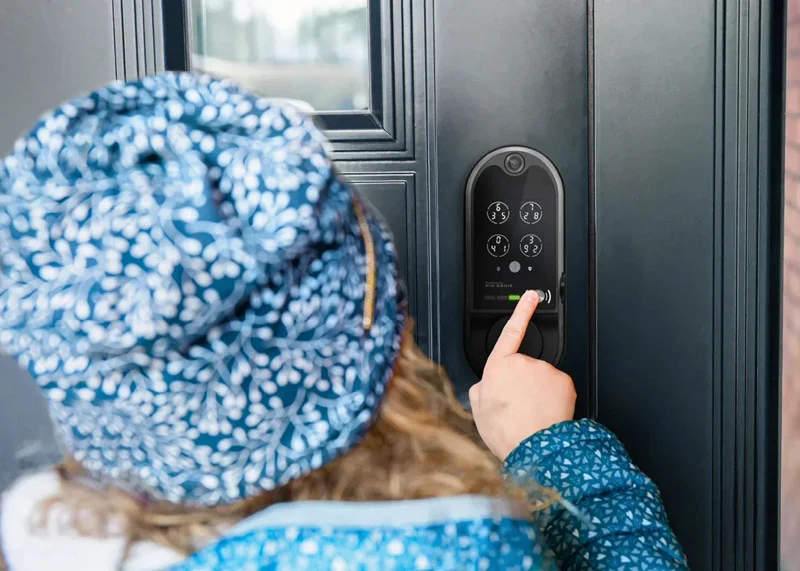
While digital systems are valuable, mechanical keys remain deeply embedded in daily security—especially for offices, retail stores, warehouses, telecom facilities, schools, residential buildings, and more. But there is one major drawback that everyone faces: lost keys. When a key goes missing, the cost, stress, and security risks can escalate quickly.
This article explores why lost keys create such a heavy burden, how families and businesses can prevent key losses, and how modern key management systems—such as the Vanma lock system—help organizations eliminate lost key risks completely.
Technology continues to reshape our lives. From smart doorbells to cloud-based access management, digital tools bring remarkable convenience. However, traditional locks remain widely used because they offer advantages that digital solutions cannot fully replace:
- Low cost and easy deployment across homes and businesses
- High reliability, even in environments without power or internet
- Universal compatibility—almost every door or cabinet can use a mechanical lock
- Simple operation for users of any age
Despite modern alternatives, physical keys stay relevant because they are practical and dependable. But because they are also easy to lose, they introduce significant security challenges.
The Imporatence of Eliminate Lost Keys
Losing a key is more than an inconvenience—it can be a major security threat. Understanding the full impact helps emphasize why stronger key management is necessary.
1. Financial Risks
When a key goes missing, companies and families may need to:
- Rekey or replace locks
- Pay emergency locksmith fees
- Replace high-security or master keys
- Halt operations until access is restored
For businesses with multiple sites or cabinets, a single lost key can trigger large-scale lock replacements.
2. Security Threats
A lost key might fall into unknown hands, creating risks such as:
- Unauthorized entry
- Theft or vandalism
- Safety violations
- Compromised master key systems
The more doors a key can open, the higher the risk.
3. Operational Disruptions
Mechanical keys offer no visibility or traceability. When a key disappears, businesses may face:
- Delays in maintenance or delivery
- Staff unable to access essential areas
- Unclear accountability when issues arise
- Manual audits and paperwork
From small retailers to large enterprises, lost keys can create both security gaps and operational chaos.
Tips to Prevent Lost Keys
1. Tips for Families / Homeowners
Designate a key storage area
Choose a fixed place near the entrance—such as a wall hook, key bowl, or small cabinet—where everyone must place their keys immediately after entering the home. This reduces the chance of keys being left in random places like sofa cushions, bags, or coat pockets.
Label keys clearly
Use simple labels or color-coded key covers for different doors (front door, garage, storage room). When every key has a clear visual identity, it becomes much easier for family members to recognize and return each key correctly.
Set family rules for key handling
- Teach everyone at home, including teenagers, to follow a few basic rules:
- Never leave keys inside cars
- Avoid lending house keys to friends without permission
- Store keys in a consistent place (e.g., same pocket or bag compartment)
These small habits greatly reduce accidental loss.
Store spare keys safely
Instead of hiding spare keys under doormats or plant pots—which is extremely unsafe—keep them in a locked drawer, a home safe, or with a trusted neighbor. This ensures you always have a backup without compromising security.
Use simple tracking or reminders
Families can use small tools like keychains with Bluetooth trackers or a reminder checklist near the front door. Even low-tech solutions, such as a “Did you take your keys?” note, help reduce forgetfulness for busy households.
2. Tips for Businesses
Assign keys based on job roles
Avoid giving all employees access to every area. Instead, assign keys according to actual job responsibilities. For example, cleaning staff may only need access during certain hours, while managers may need entry to storage or office areas.
Use a key sign-in/sign-out log
- Create a clear system where employees record:
- Which key they are taking
- The time taken
- The expected return time
- Their signature
This improves accountability and makes it easier to trace who used a key last.
Reduce the number of master keys in circulation
Master keys should only be held by trusted supervisors. Fewer master keys reduce the chance of high-level access being lost, copied, or misused.
Conduct regular key audits
Perform monthly or quarterly reviews to:
- Confirm all keys are accounted for
- Identify missing or unreturned keys
- Remove keys from employees who have changed roles
Audits help detect issues early before they become security problems.
Train staff on proper key management
Employees often lose keys simply because they aren’t aware of the company’s expectations. Provide short training sessions explaining:
- Where keys should be stored
- Who to notify if a key is lost
- How to secure keys during travel or field work
Prepare a lost-key response plan
Have a documented procedure for what to do when a key goes missing. This may include:
- Who must be informed immediately
- Whether locks need replacement
- Temporary access arrangements
- Reissuing or revoking permissions
A fast, organized response helps minimize downtime and security risks.

Effective Key Management: Eliminating Unnecessary Costs
Even with good habits, traditional key systems will always have inherent weaknesses:
This is why many organizations shift from mechanical key systems to smarter, controlled access solutions that make it possible to eliminate lost key risks entirely.
How Vanma Helps Businesses Eliminate Lost Key Risks?
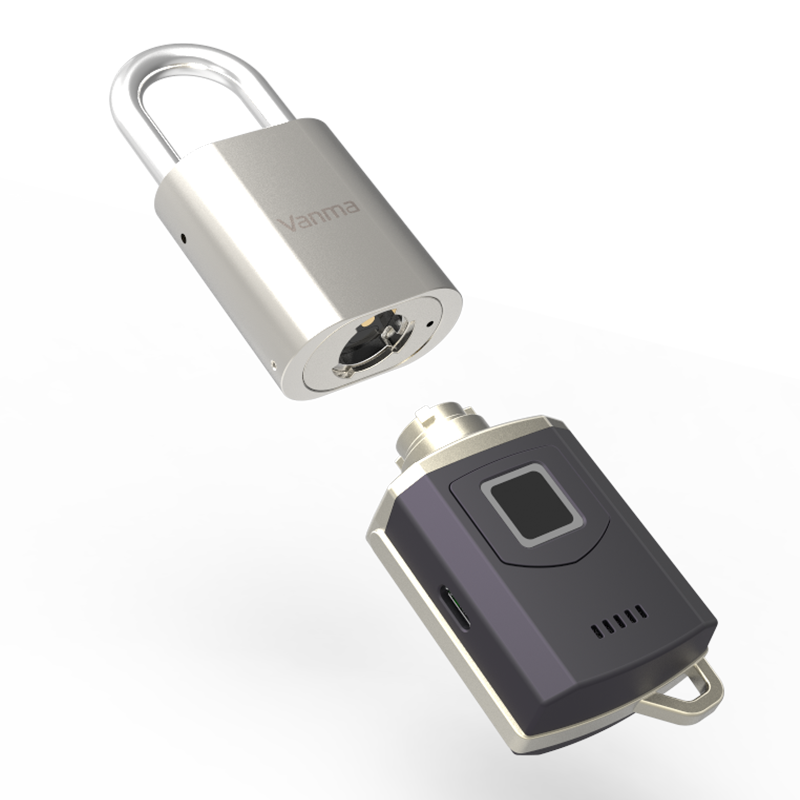

One Key for All Authorized Locks
Trackable and Auditable Access
Permission-Based Access Management
Administrators can control:
- Who can open which lock
- When they can open it
- How long permissions remain valid
Temporary or contractor permissions can also be set, eliminating security risks caused by long-term unrestricted access.
No Wiring, No Batteries in the Lock
Lower Total Cost of Ownership
| Cost Category | How Vanma Reduces or Eliminates the Cost |
|---|---|
| Rekeying expenses | Lost keys can be disabled in software, so businesses no longer need to replace physical locks or cylinders. |
| Master key duplication risks | Electronic keys cannot be copied, removing the security risks and costs associated with unauthorized duplicates. |
| Manual logging | Automatic audit trails replace handwritten logs, reducing labor time and human error. |
| Lost key disputes | Access records clearly show who entered and when, preventing confusion or internal conflicts caused by missing keys. |
| Hardware replacements | Durable, IP68-rated Vanma locks reduce long-term wear, lowering the frequency of hardware replacement. |
The system improves both security and operational efficiency—making it far more cost-effective over time.
Product Recommendation

Applicable to All Industries
Vanma lock systems can effectively improve security and efficiency across various industries, including telecommunications, power, and banking.
Seamless Integration
Supports integration with other systems, making your management more convenient.
Conclusion
With remote access for temporary tasks, integration with surveillance systems, and detailed audit logs, Vanma locks offer a comprehensive security solution that keeps your factory protected, even when employees are away for the holidays.
Share:
Table of Contents
Try Vanma Electronic Lock
You can contact us to request samples, and to experience the convenience of Vanma electronic locks.
Contact Us Now