

Introduction
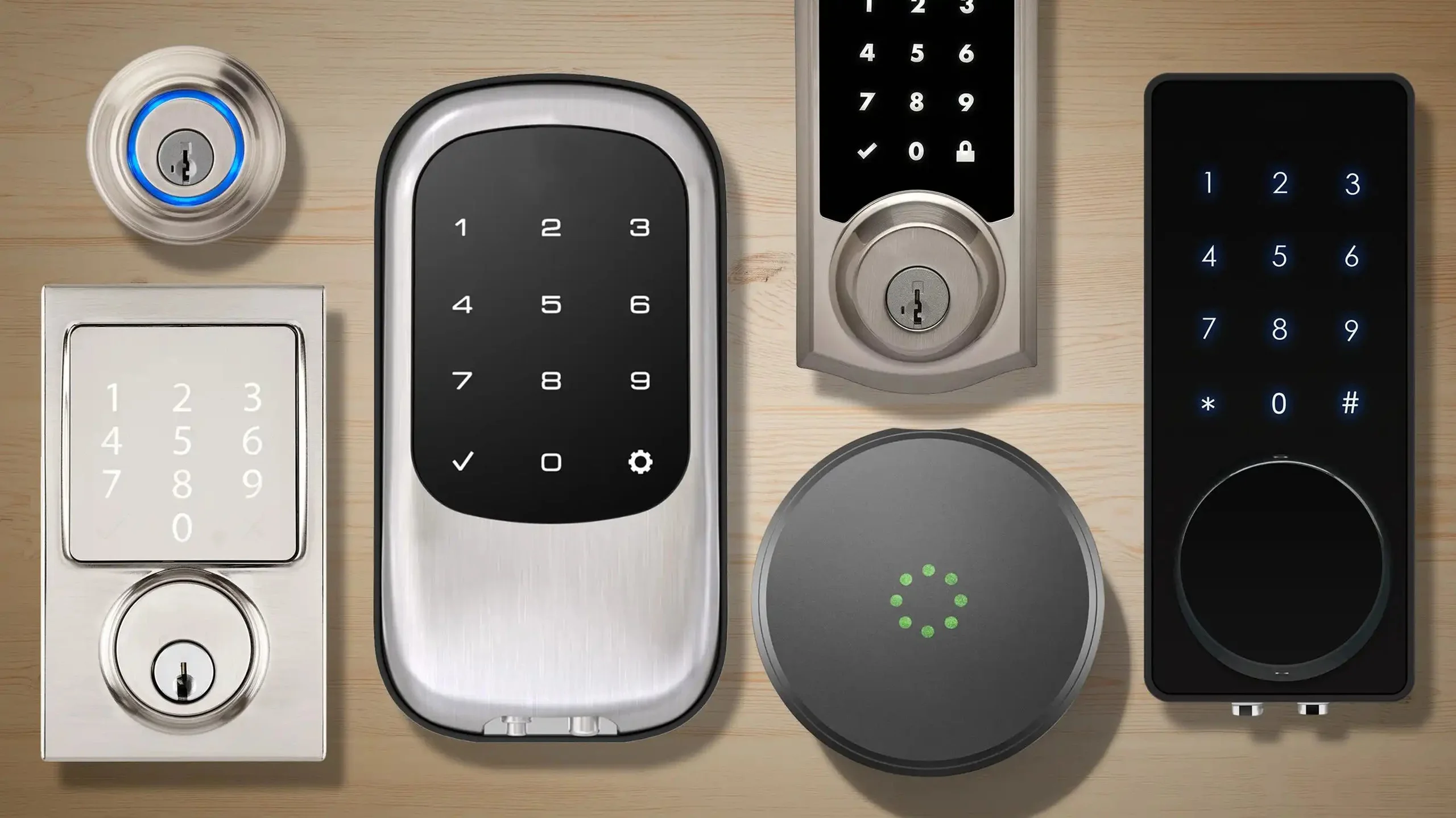
Smart locks are becoming more common in homes and businesses. They mix convenience, new technology, and strong security. Whether you’re a homeowner upgrading your front door or a company managing who can enter important areas, choosing the right smart lock matters. The right lock makes daily use easier and keeps your space safe. One smart choice is a passive electronic lock, like the one made by Vanma Lock.
What Is a Smart Door Lock?
A smart door lock is a modern lock that lets you open doors without a regular key. It uses things like Bluetooth, Wi-Fi, RFID cards, or fingerprints. These locks are easy to use and help you know who is coming and going.
In homes and small offices, people want locks that are easy to use and connect to phone apps. In factories or big buildings, locks need to be strong, allow many people to use them, and keep records of who used them.

Key Features to Look For
When choosing a smart lock, look for these key things:
- Ways to Unlock: Good smart locks let you use PIN codes, fingerprints, cards, or apps.
- Online or Offline: Some locks use the internet; others work without it using special keys or software.
- Security Level: Look for locks with strong codes and alerts if someone tries to break in.
- Power Source: Some locks use batteries. Others, like Vanma, use keys with power, so you don’t need to charge the lock.
- Access Records: Important for companies to know who unlocked a door and when.
- Strength: For outdoor use, locks should resist water, dust, heat, and cold.
Types of Smart Locks
There are different types of smart locks for different needs:

- Deadbolt Locks: Common in homes, easy to install, and work with smart home devices.
- Lever or Latch Locks: Used on inside doors in offices.
- Padlocks: Used on gates, storage units, or movable things.
- Mortise Locks: Strong and stylish, found in hotels and big buildings.
- Passive Electronic Locks: Best for areas where power is hard to get, and where safety and control are important.
Suggestions by Use
The best smart lock depends on how you’ll use it:
- Homes and Small Offices: Use locks with Wi-Fi or Bluetooth, phone apps, and PIN or fingerprint unlocking.
- Industrial Use:
- Telecom Sites: Use Vanma locks to keep cell tower boxes safe.
- Power Companies: Need locks that work offline, store records, and handle bad weather.
- Banks: Need strong control over who can enter.
- Railways: Need locks that last long and can track who used them.
- Logistics: Use smart keys that can control time and be managed from the cloud.

Why Passive Electronic Locks Are Good for Industry
Passive locks don’t need batteries. The key gives power to unlock. This makes them reliable and easy to care for. Vanma’s system lets managers give or cancel access and plan who can unlock doors when.
Vanma locks are made for tough places. They have IP68 safety, so they work in rain, dust, or snow. Since there’s no battery inside, they’re great for places that are far away or hard to maintain. They’re perfect for power stations, telecom towers, warehouses, and train systems.
What Makes a Lock the Best
The best lock fits your needs, not just looks fancy. Look for:
- Right for Your Field: Home, business, or factory? Pick what matches your space.
- Can Grow: If you have many doors or users, the system should grow with you.
- Easy to Maintain: Less work means more time saved. Passive locks are great for this.
- Follow Rules: Some places need records for checks and laws.
- Works with Other Tools: It should connect with your other security software.
Vanma Lock Examples
Vanma makes passive locks for high-security places. Their locks use special keys with codes and power. No batteries or wires needed.

Managers can set, remove, or plan access with their software. Real-life examples:
- State Grid Corporation: Used to guard power stations and allow quick checks.
- China Mobile: Used at remote towers to protect them without daily visits.
- DB Schenker : Used for locking cargo boxes and limiting who can open them.
- European Train Companies: Used on rail boxes where it’s hard to send people for battery changes.
- Banks in Southeast Asia: Used for vaults, ATMs, and safe rooms with full tracking and strong security.
How to Choose the Right Lock
Think about where and how you’ll use it:
- For homes or offices, use smart locks with apps, PIN, or fingerprint.
- For factories or utilities, pick passive locks like Vanma that are safe and low-maintenance.
- Think about future costs—like battery changes or repairs.
- Ask if you need remote control, access records, or offline use.
If your place has many doors or harsh conditions, Vanma’s system is a good long-term choice.
Conclusion
Picking the right smart lock is about matching it to your real life. Whether you’re upgrading home safety or protecting a big network, the right choice saves time and keeps things safe.
For homes and small businesses, regular smart locks with apps work well. But for tough places, Vanma passive electronic locks give the best mix of safety, strength, and easy use.
Know what you need, think about your daily work, and pick a lock that fits your space and your future.
Share:
Table of Contents
Try Vanma Electronic Lock
You can contact us to request samples, and to experience the convenience of Vanma electronic locks.
Contact Us NowChoose A Trusted Access Control Manufacturer for
Reliable Solutions
As a professional manufacturer of access control systems and electronic locks, Vanma offers high-quality solutions to protect your premises and assets. Contact us by filling out the form below to receive professional consultation and support.
