
How to Choose the Right Glass Cabinet Door Lock for Your Facility
Choosing the right glass cabinet door lock is essential for securing valuable assets in offices, retail environments, laboratories, and industrial settings. Proper selection ensures durability, convenience, and maximum protection against unauthorized access.
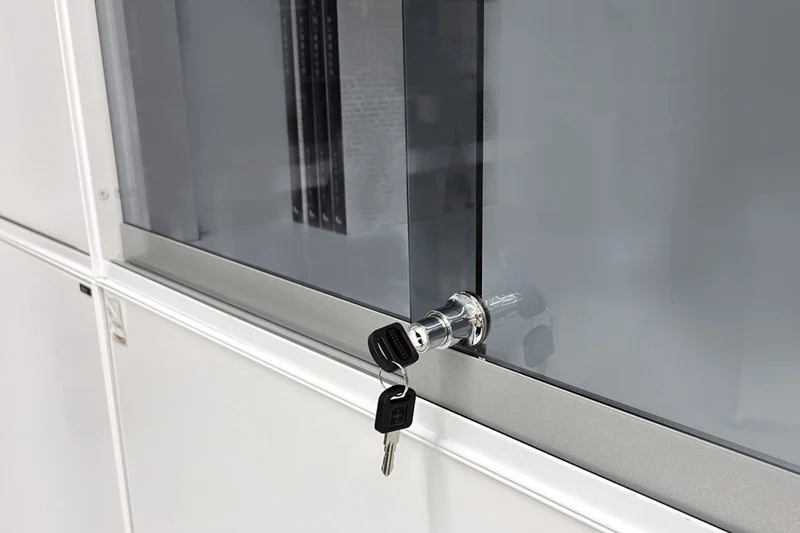
Why Glass Cabinet Security Matters in Industrial Settings
Glass cabinets are highly visible and often contain valuable equipment, documents, or merchandise. Without proper locks, they are vulnerable to theft, tampering, or accidental damage. Industrial-grade glass cabinet locks provide a critical layer of security, ensuring only authorized personnel can access sensitive contents.
Common Risks in Retail, Office, and Laboratory Environments
Retail displays may face shoplifting, offices store sensitive documents, and laboratories hold expensive instruments. Glass cabinet locks help mitigate these risks by restricting access, preventing accidental breakage, and enabling audit trails for monitored use.
Types of Glass Cabinet Door Locks
Mechanical vs Electronic Locks
Mechanical locks use keys or combination dials and are simple, reliable, and low maintenance. Electronic locks offer enhanced features like code entry, audit logs, and temporary access codes for flexible industrial use.
Keyed vs Combination Systems
Keyed locks require physical keys for access, while combination locks eliminate key management and provide multi-user code options. The choice depends on your facility’s security protocols and convenience requirements.
Smart Lock Options for B2B Applications
Smart locks integrate with facility access control systems, allowing remote unlocking, time-based access, and real-time monitoring. These are particularly useful for large industrial sites and multi-location operations.
Key Features to Look For
Material Strength and Durability
Industrial glass cabinet locks should be constructed from robust materials like stainless steel or hardened alloys, ensuring long-term performance and resistance to break-ins.
Anti-Theft and Tamper Resistance
Look for locks with anti-pry features, reinforced locking bolts, and secure mounting options to prevent tampering and unauthorized removal.
Environmental Resistance (Moisture, Dust, Temperature)
Locks should withstand environmental factors such as humidity, dust, or extreme temperatures, especially in industrial and laboratory settings.
Installation Considerations
Single-Door vs Multi-Door Cabinets
Installation varies depending on cabinet size. Multi-door cabinets may require multiple locks or an integrated locking system for consistent security.
Professional vs DIY Installation
While small glass cabinets can be fitted by maintenance staff, industrial or high-security installations benefit from professional expertise to ensure proper alignment and lock integrity.
Maintenance and Longevity Tips
Regular Inspection and Lubrication
Inspect locks regularly for signs of wear, and lubricate moving parts to maintain smooth operation and extend service life.
Handling Wear and Replacement Parts
Replace worn keys, combination dials, or electronic components promptly to avoid compromising security. Ensure spare parts are compatible with your lock model.
Cost Considerations for Industrial Purchases
Budget vs Performance Trade-offs
Higher-end locks often provide better security, durability, and audit capabilities. Balance initial costs with long-term benefits and risk reduction.
Evaluating ROI for Security Investments
Investing in high-quality glass cabinet locks reduces potential theft losses and operational disruptions, delivering measurable ROI over time.
Case Studies: Industrial and Retail Applications
Laboratory Equipment Storage
Industrial labs benefit from robust glass cabinet locks to secure expensive instruments and controlled chemicals, ensuring compliance and safety.
Retail Display Cabinets
Retailers use locks to protect high-value merchandise while maintaining a clear view of products, combining security and display aesthetics.
Office Document and Asset Protection
In offices, sensitive documents, client records, or valuable assets are secured behind glass cabinets with industrial-grade locks to prevent unauthorized access.
FAQs
How secure are glass cabinet door locks compared to standard locks?
High-quality glass cabinet door locks are engineered to provide comparable or superior security to traditional locks, with reinforced bolts and tamper-resistant designs specifically for glass panels.
Can electronic locks integrate with access control systems?
Yes, many industrial glass cabinet locks can integrate with existing access control systems, allowing remote authorization, user logging, and centralized management.
How often should locks be serviced?
Regular inspection and occasional lubrication every 6–12 months helps ensure smooth operation and prolongs lock lifespan. Electronic locks may require software updates as well.
Are glass-specific locks more fragile than traditional metal locks?
No, industrial glass cabinet locks are designed to distribute force across the frame and incorporate reinforced materials, ensuring durability despite being mounted on glass panels.
What is the average lifespan of a high-quality industrial glass cabinet lock?
With proper maintenance, industrial glass cabinet door locks typically last 5–10 years, depending on usage frequency, environment, and lock type.

