
How Explosion-Proof Locks Keep Industrial Sites Safe?

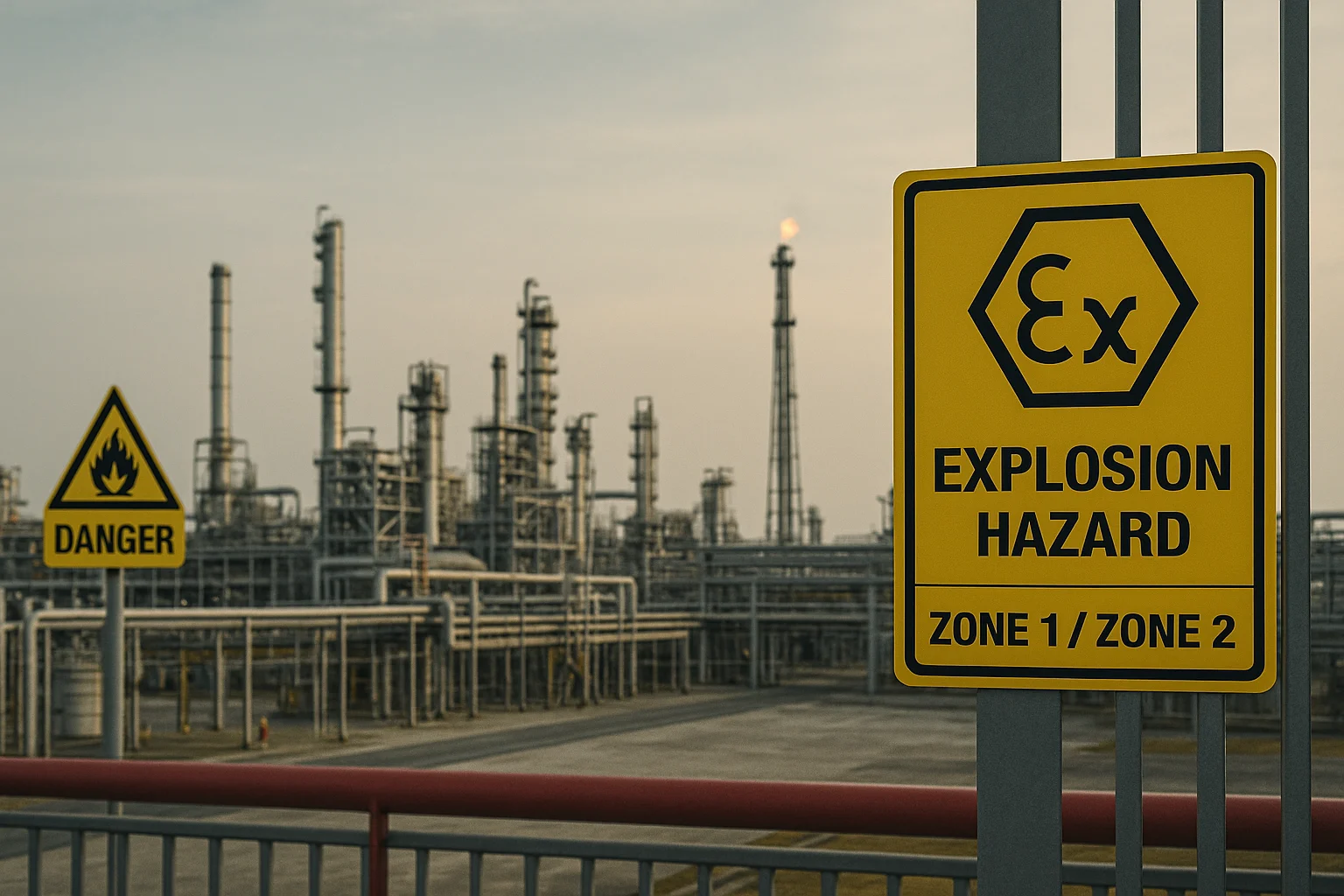
Introduction: Why Explosion-Proof Safety Matters
In industries such as oil and gas, power generation, chemical manufacturing, and mining, even a tiny electrical spark can trigger catastrophic explosions. Traditional electronic locks, though convenient, can pose hidden risks when installed in hazardous areas. These environments require specially designed locking systems that not only protect property but also ensure worker safety and regulatory compliance.

What Is an Explosion-Proof Environment?
An explosion-proof environment refers to any space where flammable materials—such as gases, vapors, or dust—can mix with air and potentially ignite. These areas are common in industrial sectors like oil refineries, gas stations, power substations, chemical plants, and water treatment facilities.
The European Union’s ATEX directive defines these locations as “hazardous zones.” Depending on the frequency and duration of the presence of explosive materials, they are categorized as:
- Zone 0: Explosive atmosphere is present continuously or for long periods.
- Zone 1: Explosive atmosphere is likely to occur occasionally.
- Zone 2: Explosive atmosphere is unlikely, but if it occurs, it will exist only for a short time.
Equipment installed in such zones must be specially designed and tested to prevent ignition, even in case of internal malfunction.
Understanding ATEX Certification
The term ATEX originates from the French ATmosphères EXplosibles, referring to European regulations that govern equipment used in potentially explosive areas. ATEX certification ensures that products are safe and compliant with Directive 2014/34/EU.
A typical marking like “Ex ib IIC T4 Gb” on a device such as the Vanma explosion-proof lock provides detailed information:
- Ex: Explosion-proof equipment.
- ib: Intrinsically safe circuit (the device’s electrical energy is too low to cause ignition).
- IIC: Suitable for use in the most explosive gas environments, such as hydrogen or acetylene.
- T4: The maximum surface temperature does not exceed 135°C, ensuring no nearby gas can ignite.
- Gb: Equipment protection level suitable for Zone 1 environments.
In simple terms, ATEX certification guarantees that the explosion-proof lock will not become a source of ignition under any normal or foreseeable fault conditions.
What Makes an Explosion-Proof Smart Lock Different
Standard electronic locks are made for convenience, but explosion-proof smart locks are made for safety. They use special materials and parts that can handle tough environments and prevent sparks or ignition.
Here are the key differences:
- Intrinsically safe circuit design: Electrical energy within the lock is limited to safe levels, preventing sparks.
- Sealed housing: The lock body is completely enclosed to block gases, dust, and moisture from entering.
- Temperature control: Materials are selected to ensure surface temperatures remain within safe limits.
- Anti-static and anti-shock features: Prevent static buildup and resist physical impacts.
- High protection rating: Explosion-proof locks typically meet IP68 standards, meaning they are fully dust-tight and can withstand immersion in water.
These features make explosion-proof smart locks reliable even in environments where ordinary locks would fail or create safety hazards.
Vanma’s ATEX-Certified Explosion-Proof Lock System
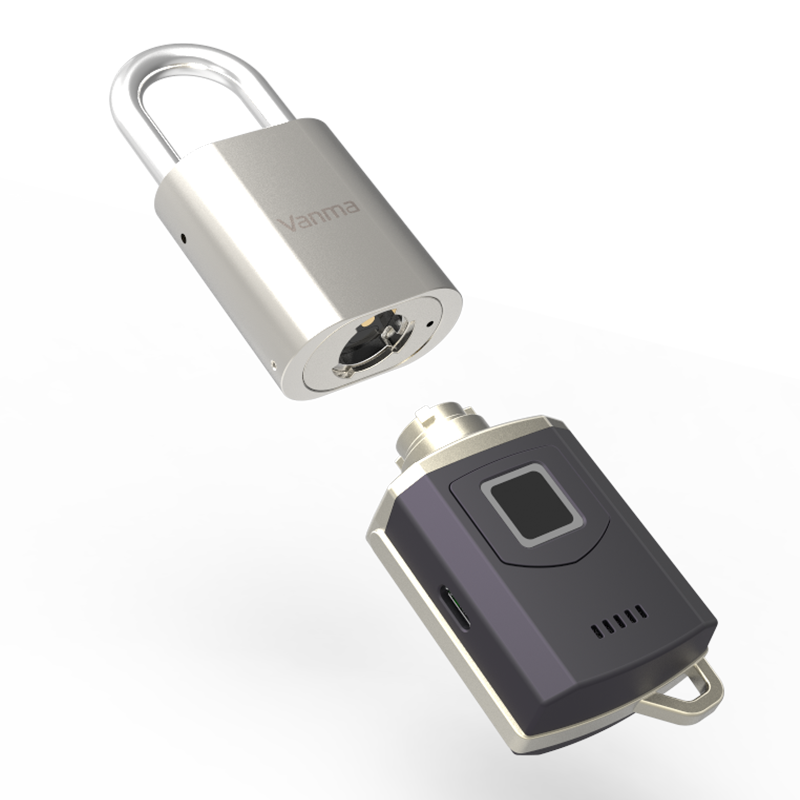

Vanma’s explosion-proof lock series is ATEX-certified (Ex ib IIC T4 Gb), making it safe for use in Zone 1 and Zone 2 explosive environments. The system includes padlocks, cabinet locks, cam locks, and handle locks — all sharing the same core safety and smart management design.
Key Design Advantages:
- Passive structure: The lock contains no internal battery, eliminating the risk of electrical ignition.
- Power from key: Energy for unlocking is supplied by the electronic key during use.
- Material durability: The lock body is made from SUS304 stainless steel and zinc alloy, offering excellent corrosion resistance.
- Environmental resilience: Functions reliably from –40°C to +70°C, withstanding extreme weather and industrial conditions.
- Multiple protections: Each lock is equipped with safeguards against overvoltage, overcurrent, and electrostatic discharge (ESD).
- Full IP68 protection: Dustproof, waterproof, and resistant to vibration or shock.
The Vanma explosion-proof smart lock system is not just physically secure—it’s intelligently managed. Every access event is logged, every key is authorized, and every action is traceable.
How Vanma Explosion-Proof Locks Enhance Safety
The Vanma system combines explosion-proof hardware with intelligent software management to achieve complete safety and traceability.
1. Oil and Gas Industry
Vanma’s explosion-proof padlocks and valve locks are used on oil storage tanks, pipeline valves, and gas metering boxes. They ensure that only authorized personnel can open critical components during maintenance, preventing accidental leaks or ignition.
2. Electric Power and Energy
In transformer cabinets and power substations, explosion-proof smart locks prevent unauthorized entry and provide detailed access logs. The locks’ intrinsic safety design protects against electrical discharge in high-voltage environments.
3. Telecommunications
Outdoor telecom base stations and fiber-optic cabinets often face humidity, dust, and temperature fluctuations. Vanma’s IP68 explosion-proof locks deliver long-term reliability while supporting remote access authorization.
4. Water Utilities
Explosion-proof cabinet locks are used on pump stations and flow monitoring boxes where humidity and gas exposure can be issues. The system ensures maintenance staff follow authorized schedules with automatic record tracking.
5. Chemical and Pharmaceutical Facilities
In production areas with volatile chemicals, Vanma’s ATEX-certified locks prevent ignition risks and provide strict access control to hazardous storage zones.
How Vanma Explosion-Proof Locks Enhance Safety
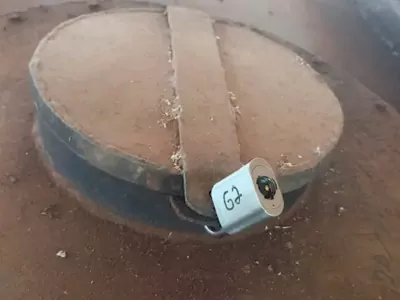
Indonesia Petroleum Storage Project
Vanma explosion-proof locks were installed on oil tank valves in West Java. Operators request temporary authorization through the management system before unlocking. This prevents unauthorized access and ensures safe maintenance.

State Grid Power Substation (China)
The project integrated Vanma’s explosion-proof locks on high-voltage cabinets, allowing technicians to open cabinets only during approved time slots. The system eliminated unauthorized access and improved traceability.

Dubai DEWA Water Monitoring System
In Dubai’s hot and humid conditions, Vanma’s stainless-steel explosion-proof locks were deployed on outdoor monitoring cabinets. Their ATEX certification ensured reliable performance and corrosion resistance.
The Risk of Using Non-Certified Locks
Installing non-certified electronic locks in hazardous zones can have serious consequences:
- Safety risks: Even a minor spark or short circuit can trigger an explosion.
- Regulatory violations: Failure to use ATEX-certified equipment can lead to heavy fines or shutdown orders.
- Insurance problems: Non-compliant devices may void insurance coverage.
- Reputation loss: Safety failures can damage an organization’s credibility and long-term trust.
In contrast, using an ATEX-certified explosion-proof smart lock ensures safety, compliance, and peace of mind.
Maintenance and Compliance Tips
To maintain the long-term safety and certification of explosion-proof locks, organizations should follow these best practices:
- Verify certification: Always check that the lock’s label includes an ATEX marking, such as “Ex ib IIC T4 Gb.”
- Inspect regularly: Examine seals, screws, and enclosures for damage that could compromise explosion-proof integrity.
- Keep documentation: Store digital and printed copies of the ATEX certificate for audits.
- Train personnel: Ensure maintenance teams understand how explosion-proof locks differ from standard locks and how to use them safely.
- Integrate with digital management: Use Vanma’s access control software to track users, logs, and permissions in real time.
Proper maintenance ensures that the explosion-proof smart lock continues to perform reliably for years, even in extreme environments.
Maintenance and Compliance Tips
Vanma’s lock system combines hardware durability, digital intelligence, and international certification into one integrated solution.
Advantages at a Glance:
- ATEX-certified: Complies with Ex ib IIC T4 Gb standards for explosive gas environments.
- Full range: Available as padlocks, cabinet locks, valve locks, and handle locks.
- Passive design: No battery, no spark risk, no maintenance power source required.
- Comprehensive system: Includes electronic keys, management software, and mobile app.
- Proven record: Used by leading organizations in the energy, telecom, and water sectors worldwide.
- Sustainability: Built to last under heavy-duty industrial conditions, reducing replacement costs.
Safe Access Starts with Certified Protection
Working in hazardous areas means safety must always come first. A regular electronic lock might be convenient, but in explosive zones, it can be dangerous. An ATEX-certified explosion-proof lock is specially designed to stay safe and reliable, even when gas, dust, or heat are present.
With Vanma’s explosion-proof smart locks, you can protect your equipment, meet safety standards, and give your team peace of mind. These locks combine strong materials, intelligent access control, and certified explosion-proof design — helping your operations stay both safe and efficient.
Share:
Table of Contents
Try Vanma Electronic Lock
You can contact us to request samples, and to experience the convenience of Vanma electronic locks.
Contact Us NowChoose A Trusted Access Control Manufacturer for
Reliable Solutions
As a professional manufacturer of access control systems and electronic locks, Vanma offers high-quality solutions to protect your premises and assets. Contact us by filling out the form below to receive professional consultation and support.
