
High Security Padlocks for Real World Protection
Choosing high security padlocks is one of those decisions that seems simple until you stand in front of a shelf full of different sizes, shapes and brands and realize that they all look similar on the outside. The truth is that a high security padlock is not just a heavier version of a basic lock. It is a carefully engineered piece of hardware designed to resist cutting, drilling, picking and harsh weather while giving you confidence that your gate, cabinet or container is genuinely protected. When you are responsible for telecom sites, warehouse doors, power distribution cabinets or even a home workshop full of expensive tools, the quality of your padlock becomes a direct part of your risk management strategy.
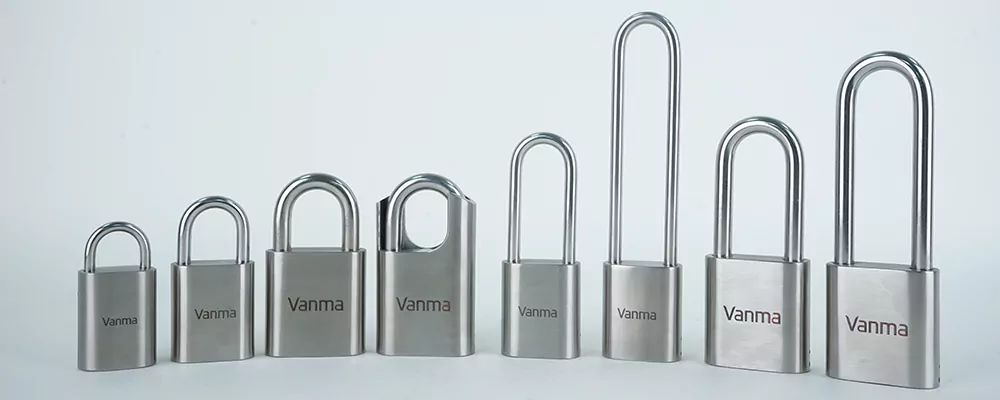
In this article we will walk through what really makes a padlock high security, which features are worth paying for, and how to match the lock to the level of risk you are facing. We will also look at how modern passive electronic padlocks and systems, such as the Vanma passive electronic lock solution, extend security beyond the metal body of the lock and into access control, traceability and key management. By the end you should feel comfortable reading technical descriptions, asking the right questions and choosing high security padlocks that fit both your budget and your long term security goals.
What makes a padlock truly high security
A high security padlock is defined less by marketing language and more by how it performs against intentional attacks and harsh conditions. When a criminal brings bolt cutters, a drill or a pry bar, the lock is not sitting on a showroom stand any more. It is out in the field on a gate or cabinet, and you only have a few seconds of resistance before they move on or get inside. That is why real high security padlocks are built from hardened materials, use advanced internal mechanisms and often carry independent test ratings from security standards or insurance bodies.
The core idea is simple. A low cost padlock is designed to discourage casual interference, while a high security padlock is designed to stand up to deliberate attacks from a motivated person with tools and time. If you are locking up a school locker, a simple lock may be enough. If you are protecting telecom cabinets, energy infrastructure, retail stockrooms or logistics assets that sit in remote yards overnight, the risk profile is completely different and so is the lock you should choose.
Key construction elements of high security padlocks
Hardened body materials and solid construction
The body of a high security padlock is usually made from hardened steel, high grade alloy or brass with additional protection. This is not just about making the lock feel heavy in your hand. Hardened materials are far more resistant to cutting, grinding and drilling, which are common attack techniques in industrial and outdoor environments. Many high security models use a solid body instead of a laminated or hollow design, which removes weak points and makes it harder for tools to gain leverage.
Strong shackles that resist cutting and prying
The shackle is the curved or straight metal loop that actually goes through the hasp or chain. In low end padlocks, this is often the first part to fail, because it is relatively thin and made from standard steel. High security padlocks use thick shackles made from hardened steel or special alloys that can resist bolt cutters and hacksaws for far longer. Some locks use a boron alloy or similar material that is significantly harder than common tool steel. The thicker the shackle and the less of it that is exposed, the harder it is for an attacker to cut through it.
Protected shackles for high risk locations
For gates, containers and remote sites, shrouded or guarded shackles are often the most practical option. In these designs, the body of the padlock extends upward to cover most of the shackle, leaving only a small opening where it engages with the hasp. This reduced exposure makes it very difficult to fit bolt cutter jaws around the metal. Whenever you have valuable assets in places where tools can be used without attracting attention, guarded shackle padlocks are an excellent high security choice.
Sophisticated locking cylinders and anti attack features
The outer shell is only part of the story. High security padlocks also rely on advanced internal cylinder mechanisms that are resistant to picking, bumping and impressioning. These locks may use complex pin stacks, rotating discs or other patented internal designs that are much harder to manipulate with common lock picking tools. Many models add anti drill plates or hardened inserts at critical points to stop someone from simply drilling out the cylinder. For professional environments where security audits matter, these technical features can be the difference between a lock that looks strong and one that actually performs under attack.
Where high security padlocks are essential
High security padlocks are not only for banks or military facilities. They play a daily role across industries where disruption or loss is expensive. Telecom operators use them to secure outdoor cabinets and base station doors. Power utilities use them on switch rooms, transformer yards and substation gates. Warehousing and logistics providers rely on them for yard gates, truck doors, containers and internal cages. Retailers use them in stockrooms, jewelry counters and high value storage areas that must be locked after hours. Even in residential settings, high quality padlocks are used to protect garages, garden cabins, tool sheds and storage units that contain thousands of dollars of equipment.
The common factor across all these situations is the need for reliable, repeatable security in environments that are not always closely supervised. A high security padlock cannot prevent every possible intrusion, but it significantly increases the effort and time required, which often makes the difference between an attempted attack and a successful one. When combined with good lighting, surveillance and procedures, the lock becomes a strong part of a layered defense strategy.
Mechanical high security padlocks versus electronic and passive electronic options
Strengths of traditional mechanical high security padlocks
Mechanical high security padlocks have been the backbone of physical security for decades. They are simple, robust and do not depend on a power supply. As long as the key is available and the lock is maintained, they will continue to function in rain, snow, dust or bright sun. This makes them ideal for remote infrastructure and outdoor use. Many insurance companies and regulators recognize well known mechanical high security models and include them in their recommendations for securing commercial premises.
From a practical perspective, mechanical locks are also familiar to technicians and staff. Most people understand how to use a key, how to lock and unlock a shackle and how to notice when a lock is starting to bind or corrode. For smaller sites or simple use cases, a good mechanical high security padlock with properly controlled keys is still a strong and cost effective choice.
Advantages of electronic and passive electronic padlock systems
As operations scale and the number of locks and users grows, key management and access control become much more challenging. This is where electronic and passive electronic padlocks come in. Instead of relying on a purely mechanical key, these systems use an electronic key that stores permissions and can record opening events. The padlock body itself can still be made from hardened materials with a strong shackle, but the access decision is made electronically, which opens the door to flexible and traceable control.
Passive electronic padlocks, such as those used in the Vanma passive electronic lock system, go a step further by placing the power source in the key rather than in the lock. The padlock itself has no battery, which means there is no need to send technicians into the field just to change batteries at remote sites. The electronic key provides power during contact, allowing the lock to authenticate the key, record the event and then return to a completely passive state. This design combines the ruggedness of a mechanical padlock with the intelligence of a modern access control system.
How Vanma passive electronic padlocks support high security use cases
For organizations managing large numbers of outdoor locks, such as telecom operators, utilities, railroad companies or logistics providers, the Vanma passive electronic lock solution can help solve problems that mechanical padlocks alone cannot address. Each padlock in the system is built for harsh environments, with stainless steel or hardened metal construction, corrosion resistance and sealed electronics. At the same time, each lock can be opened only by authorized electronic keys that have been configured in the management software with specific time windows and permissions.
Because the lock and key exchange encrypted data during each opening, the system can keep an audit trail of who opened which lock and when. This is extremely valuable when you need to investigate incidents, prove compliance or simply understand how often certain assets are being accessed. Instead of issuing many physical keys and losing track of copies, administrators can centrally manage permissions, revoke access immediately when staff change and reduce the risk that a lost key will lead to a security breach. In this way, high security padlocks become part of a complete access control strategy rather than just hardware on a gate.
Practical criteria for choosing high security padlocks
Start with the risk and environment
The best way to choose high security padlocks is to start by assessing what you are protecting and where the lock will be installed. An indoor lock on a staff storage cabinet faces different risks from an outdoor lock on a remote power cabinet in a coastal region. For high theft areas, you may prioritize shrouded shackles and maximum cutting resistance. For coastal or chemical environments, corrosion resistance is critical. For remote infrastructure, audit trails and centralized key control may be more important than minor differences in shackle hardness.
Check technical specifications and third party ratings
Once you understand the risk, look carefully at manufacturer specifications and independent test results. Serious high security padlocks will usually mention hardened steel shackles, anti drill and anti pick features, weatherproofing, operating temperature ranges and any relevant standards. If you are comparing multiple models, ask suppliers for documentation rather than relying on catalog descriptions. For electronic or passive electronic solutions, review encryption methods, access management functions and how audit data is stored and retrieved.
Balance upfront cost with long term ownership cost
High security padlocks usually cost more than basic locks, and at first glance the difference can feel significant, especially when you need dozens or hundreds of units. However, the total cost of ownership includes not only purchase price but also losses from theft, vandalism, operational disruption and staff time spent managing keys. A more robust lock that reduces break ins or eliminates rekeying after staff changes often pays for itself many times over. Passive electronic solutions like Vanma can further reduce the need to visit each lock physically for access changes, saving labor and travel time.
Maintenance tips for long lasting high security padlocks
Even the strongest high security padlock will perform better and last longer with basic maintenance. Regularly check for signs of corrosion, physical damage or tampering. Clean the exterior to remove dirt and chemicals that can accelerate wear. For mechanical cylinders, use a suitable lubricant recommended by the manufacturer at defined intervals rather than generic oils that can attract dust. For passive electronic padlocks, ensure that keys are stored and charged according to the system guidelines so that access is always available when technicians are on site.
It is also wise to review your lock inventory periodically. Replace any padlocks that show significant wear, cracked shrouds or bent shackles. For critical locations, consider rotating locks as part of a preventative maintenance schedule. This simple habit supports continuous high security performance and aligns with good practice in regulated industries where audit and reliability matter.
Common mistakes when buying high security padlocks
Focusing only on price and appearance
One of the most frequent mistakes is choosing padlocks that look strong but lack tested high security features. A large, heavy lock with a shiny finish can still have a soft shackle or a simple cylinder that fails quickly under attack. If the deciding factor is only unit price, it is easy to end up with locks that provide a false sense of security. For assets that are critical to your operations, a more careful technical evaluation is always worthwhile.
Ignoring key management and access control
Another common problem is underestimating how difficult it is to manage keys over time. As teams grow, contractors come and go and sites are added, the number of keys in circulation can become hard to control. Even the best high security mechanical padlock is less effective if keys are duplicated or lost without being reported. This is one reason why many organizations move toward passive electronic padlocks and centralized key management. They want to reduce dependence on uncontrolled metal keys and bring access in line with their digital security practices.
Using the same lock type for every application
Finally, applying a single padlock model everywhere can lead to overspending in some places and under protection in others. A balanced high security strategy may combine very robust guarded shackle padlocks for exposed perimeter gates, standard high security models for internal storage and electronic or passive electronic padlocks for critical cabinets that require traceability. Taking the time to match lock types to risk levels yields better protection without wasting budget.
Conclusion
High security padlocks are a practical and powerful tool for protecting both everyday and mission critical assets. The difference between a basic lock and a genuine high security padlock lies in the details of materials, shackle design, internal mechanisms and how well the product has been tested against real world attacks. When you add in modern access control capabilities through passive electronic padlock systems like Vanma, you gain not only physical strength but also visibility and control over who accesses your sites and when they do it.
By starting with a clear understanding of your risks, checking technical specifications instead of marketing phrases and planning for key or access management from the beginning, you can build a padlock strategy that supports your wider security and operational goals. Whether you are securing a small workshop or a national network of infrastructure sites, the right high security padlocks will help you reduce theft, prevent tampering and sleep a little better knowing that your physical barriers are doing their job.
Frequently asked questions about high security padlocks
What makes a padlock high security instead of just heavy duty?
A padlock is considered high security when it is designed and tested to resist deliberate attacks such as cutting, drilling, prying and picking, not just casual interference. This usually means a hardened shackle, a solid or reinforced body, a sophisticated cylinder with anti pick and anti drill features and often independent certification or compliance with security standards. Weight alone does not guarantee high security. A truly high security padlock combines strong materials with intelligent engineering of every potential weak point.
Are electronic and passive electronic padlocks stronger than mechanical ones?
The physical strength of an electronic or passive electronic padlock depends on the materials and design in exactly the same way as a mechanical padlock. Many high quality electronic and passive electronic locks use hardened bodies and shackles that match or exceed the strength of mechanical models. The real advantage of electronic and passive electronic padlocks is not just physical strength but improved access control and traceability. Systems like the Vanma passive electronic lock solution allow you to manage permissions centrally, create time limited access and review detailed opening records, while still benefiting from a robust physical lock in the field.
When should I choose a shrouded shackle padlock?
A shrouded or guarded shackle padlock is an excellent choice whenever your lock is exposed to public access and can be attacked with tools. Outdoor gates, storage yard entrances, container doors and fuel or equipment enclosures are typical examples. The metal shrouds on these locks cover most of the shackle and make it much harder for bolt cutters or saw blades to reach it. If thieves can easily position tools around a fully exposed shackle, cutting becomes much easier. Shrouded shackles directly reduce that risk by limiting access to the most vulnerable part of the lock.
How can I manage many high security padlocks across different sites?
Managing a large number of high security padlocks with traditional metal keys can quickly become complicated. It is easy to lose track of who has which key and difficult to revoke access without physically collecting and rekeying locks. For multi site operations, it is worth considering a passive electronic padlock system such as Vanma. In this model, each lock is part of a managed system. You assign permissions to electronic keys through software, configure access windows and review audit logs that show exactly which locks were opened. This approach reduces administrative load and significantly improves control compared with unmanaged physical keys.
What is the best way to extend the life of my high security padlocks?
To extend the life of high security padlocks, combine good initial selection with regular maintenance. Choose locks with appropriate corrosion resistance for the environment, such as stainless or coated bodies and shackles in coastal or industrial areas. Schedule simple inspections to look for rust, deformation or tampering. Clean the locks to remove salt, dust and chemicals, and apply manufacturer approved lubricants to the cylinder where needed. For passive electronic locks, keep keys charged and follow the system guidelines. Replacing worn locks before they fail and updating your lock plan as sites change will keep your physical security reliable and aligned with your operational needs over time.

