
Essential Components of a Commercial Security System
In an era where business operations are increasingly interconnected and digitally managed, the importance of a comprehensive commercial security system cannot be overstated. This system not only safeguards physical and intellectual assets but also ensures the safety and productivity of employees. A well-designed security setup is foundational to the resilience and longevity of any business. Below, we explore the seven crucial components that form the backbone of an effective commercial security system.
Surveillance Systems
A robust surveillance system is the first line of defense in a comprehensive security strategy, providing real-time oversight of business activities and deterring potential intruders. The two primary types of surveillance cameras used in commercial settings include:
- CCTV Cameras: These traditional cameras operate on a closed network, offering reliable surveillance without the need for internet connectivity. Their footage is typically monitored on a limited number of screens and stored locally.
- IP Cameras: More advanced than CCTV, IP cameras transmit footage over the internet, allowing for remote monitoring from any location. They offer superior image quality and greater flexibility in terms of installation and integration with other systems.
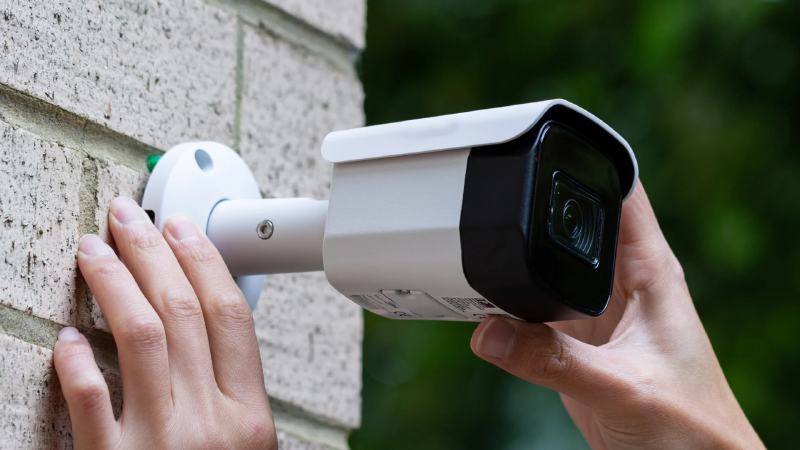
Strategic placement of cameras at entry points, parking lots, high-traffic areas, and secluded spots ensures comprehensive coverage, minimizes blind spots, and enhances the overall security of the premises.
Access Control Systems
Access control systems are essential for managing who enters and leaves the premises, ensuring that only authorized personnel have access and that sensitive areas are protected. There are several types of access control systems tailored to meet different security needs:
- Keycards: Popular for their ease of use and manageability, keycards are a common solution in office environments, where access needs to be controlled at multiple entry points.
- Biometric Scanners: These systems provide a higher level of security by using unique personal identifiers, such as fingerprints or retinal scans, ideal for areas that require stringent access controls.
- Vanma Passive Electronic Locks: Specifically designed for outdoor settings, Vanma locks are ideal for industries such as telecommunications, electricity, and public infrastructure. Similar to other access control systems in preventing unauthorized access, they also offer additional functionalities such as flexible authorization, remote permissions, and a master key system that allows a single key to operate multiple locks.

These diverse systems offer robust solutions for enforcing security policies and integrating with other technologies to enhance security measures and streamline operations. Vanma locks, in particular, are tailored to meet the specific demands of securing outdoor or remote locations, providing a combination of security, flexibility, and efficiency.
Fire and Life Safety Systems
Protecting against fire hazards is crucial for safety and compliance in any commercial setting. Key components of fire and life safety systems include:
- Smoke Detectors and Heat Sensors: Essential for early detection, these devices activate alarms and initiate suppression mechanisms when signs of fire are detected.
- Sprinkler Systems: Automatic sprinkler systems are activated in response to fire, helping to control and often extinguish the fire before it can spread significantly.

Together, these systems not only protect lives and prevent property damage but also ensure that businesses can continue operations with minimal disruption.
Alarm Systems
Alarm systems form a crucial part of the security matrix, providing alerts for various emergencies:
- Intrusion Alarms: These alarms are activated by unauthorized access, triggering alerts that can notify security personnel and local law enforcement.
- Environmental Alarms: Designed to detect environmental dangers such as gas leaks, floods, or other hazards, these systems help prevent accidents and mitigate potential damage to the infrastructure.
Alarms are essential for immediate response and crisis management, significantly reducing potential risks to the business.

Guard Tour Systems
Guard tour systems are vital for ensuring that security patrols are conducted effectively, tracking the movements and activities of security personnel across the premises. These systems help ensure that all designated areas are regularly monitored and secured, enhancing the overall integrity of a security strategy. Key aspects include:
- RFID and GPS Tracking: Utilizing RFID tags and GPS tracking, these systems provide real-time data on guard movements, ensuring that no critical area is overlooked during patrols.
- Automated Logs: Systems automatically record patrol routes and times, providing verifiable data that can be crucial in audits and security reviews.
- JWM Guard Tour Systems: Recognized as a leading manufacturer in the market, JWM offers a comprehensive range of guard tour systems known for their robust features and reliability. JWM’s products are designed to cater to a variety of industrial needs, featuring advanced tracking technologies and user-friendly interfaces. Their systems are supported by comprehensive after-sales service, ensuring that any issues are promptly addressed and resolved, thereby maintaining high standards of security and operational continuity.

JWM’s prominence in the guard tour system market is attributed to their continuous innovation and commitment to quality, making them a preferred choice for businesses looking to implement reliable and efficient security patrol systems.
Integrated Security Solutions
Integrating individual security components into a unified system offers numerous benefits:
- Enhanced Protection: An integrated system can respond more effectively to security breaches by coordinating different security measures automatically.
- Simplified Management: Managing a single, cohesive system is significantly easier and more efficient than handling disparate components separately.
Integrated solutions provide a seamless security experience, allowing for centralized control and management of the entire security apparatus.
Conclusion
Implementing a comprehensive commercial security system is crucial for safeguarding business assets, ensuring the safety of employees, and maintaining operational continuity. The seven components discussed herein are integral to developing a robust security strategy that addresses a wide range of threats. By investing in these technologies, businesses protect themselves from immediate risks and enhance their overall resilience and competitive edge in the marketplace. At over 900 words, this detailed exploration underscores the critical need for businesses to adopt a holistic approach to security in today’s complex business environment.
Share This Post
Try Vanma Electronic Lock
You can contact us to request samples, and to experience the convenience of Vanma electronic locks.
