
Enhance Home Security with the Best Electronic Door Lock System
In today's fast-paced world, where security concerns are ever-evolving, it's crucial to stay ahead of potential threats. As burglaries and intrusions become increasingly sophisticated, traditional locks are no longer sufficient to ensure the safety of our homes. This is where electronic door lock systems come into play, offering a blend of advanced technology, convenience, and reliability. In this comprehensive guide, we will delve into the intricacies of electronic door locks, exploring their diverse types, key features, benefits, and factors to consider when selecting the optimal system for your home.
Introduction to Electronic Door Lock Systems
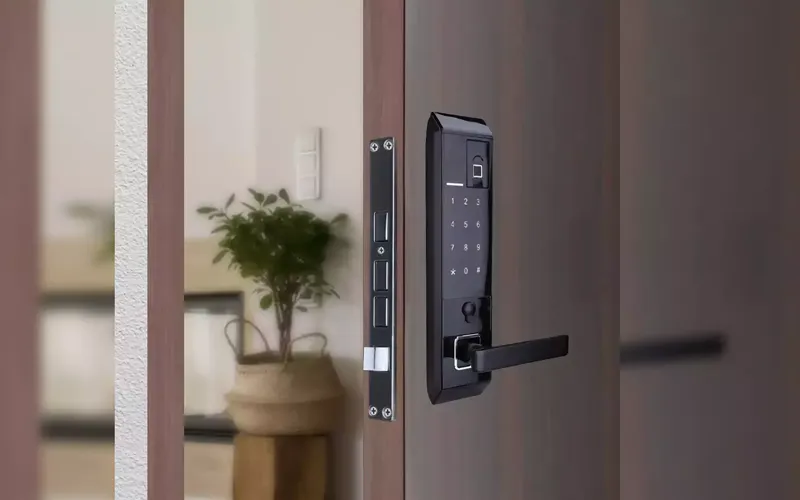
Electronic door lock systems represent a quantum leap in home security technology. Unlike their conventional counterparts, which rely on physical keys, electronic locks employ digital mechanisms for access control. These systems boast a plethora of entry methods, ranging from keypad codes and key fobs to smartphone apps and biometric recognition, thereby providing users with unparalleled flexibility and security.
The Importance of Home Security
The significance of home security cannot be overstated. With burglary rates on the rise, safeguarding our families and possessions against unauthorized access is paramount. Electronic door lock systems serve as a formidable deterrent to potential intruders, instilling peace of mind and ensuring round-the-clock protection for our loved ones and valuables.
Exploring the Types of Electronic Door Lock Systems
1. Keypad Locks
Keypad locks necessitate users to input a preconfigured code to gain entry. These locks are particularly well-suited for households with multiple occupants, as each individual can have their own designated code for access.
2. Biometric Locks
Biometric locks leverage cutting-edge biometric technology, such as fingerprint, retina, or facial recognition, to grant access. Renowned for their unparalleled security, these locks are virtually impervious to unauthorized entry, making them ideal for high-security environments.
3. Smart Locks
Smart locks usher in a new era of convenience and connectivity, enabling users to remotely control their locks via smartphone applications. This remote access capability allows for seamless locking and unlocking from any location with an internet connection. Moreover, smart locks often feature additional functionalities such as activity logs, temporary access codes, and integration with home automation systems.
Key Features to Look for in Electronic Door Lock Systems
1. Security
Prioritize locks equipped with advanced encryption and tamper-resistant mechanisms to fortify your home's defenses against potential threats.
2. Convenience
Opt for systems that offer multiple access methods and user-friendly interfaces, ensuring ease of use for all occupants.
3. Durability
Select locks crafted from premium materials capable of withstanding harsh weather conditions and physical assaults, thereby guaranteeing long-term reliability and performance.
The Benefits of Electronic Door Lock Systems
Electronic door lock systems offer a plethora of advantages over their traditional counterparts:
- Enhanced Security: Advanced encryption and authentication protocols provide robust protection against unauthorized access.
- Remote Access Control: With remote access capabilities, users can effortlessly manage their locks from anywhere, enhancing convenience and flexibility.
- Keyless Entry: Eliminate the need for physical keys, mitigating the risk of lost or stolen keys.
- Activity Monitoring: Many electronic locks feature activity logs, enabling users to monitor access to their property in real-time.
- Integration with Home Automation Systems: Smart locks seamlessly integrate with other smart home devices, facilitating comprehensive home automation and control.
Factors to Consider When Choosing the Best Electronic Door Lock System
Before making a purchase decision, carefully evaluate the following factors:
- Compatibility: Ensure compatibility with your existing door setup to avoid compatibility issues during installation.
- Power Source: Determine whether the lock operates on battery power or requires a hardwired connection, selecting the option that best suits your preferences and needs.
- Price and Affordability: Balance your budgetary constraints with the desired features and security level offered by the lock.
- Warranty and Customer Support: Opt for locks backed by reliable warranties and responsive customer support to address any potential issues or concerns.
Installation and Setup Process
While most electronic door lock systems come with comprehensive installation instructions, professional installation may be recommended for more complex setups. It is imperative to adhere closely to the manufacturer's guidelines to ensure proper installation and optimal functionality of the lock.
Tips for Maintaining Electronic Door Lock Systems
To prolong the lifespan and performance of your electronic door lock system, adhere to the following maintenance guidelines:
- Regular Cleaning and Lubrication: Periodically clean and lubricate the lock mechanism to prevent jamming and corrosion.
- Battery Replacement: Replace batteries as needed to ensure uninterrupted operation of the lock.
- Firmware and Software Updates: Stay vigilant for firmware and software updates released by the manufacturer, as these updates may include crucial security patches and feature enhancements.
- Secure Access Credentials: Safeguard access codes and credentials to prevent unauthorized access to your property.
Frequently Asked Questions (FAQs)
1. Are electronic door lock systems secure?
Yes, electronic door lock systems are designed with robust security features, including advanced encryption and authentication mechanisms, to safeguard against unauthorized access.
2. Can electronic door locks be hacked?
While no system is entirely immune to hacking attempts, electronic door locks equipped with state-of-the-art security measures are highly resilient against intrusion attempts.
3. What is the average battery life of electronic door locks?
Battery life varies depending on usage and lock type, but most electronic door locks require battery replacement approximately every 6 to 12 months to ensure continuous operation.
