
Energy Storage Safety System and Industrial Access Control Solutions for Modern Power Stations
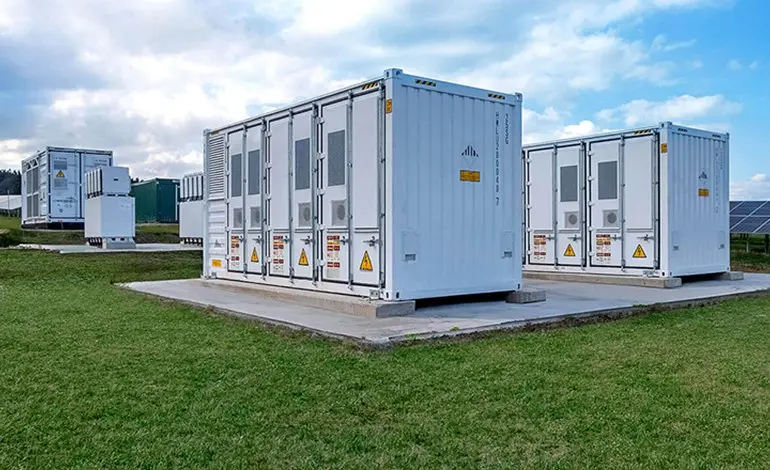
Independent energy storage projects have become the dominant growth driver, accounting for nearly 69% of new installations, followed by renewable energy paired storage systems and grid support applications.
This rapid scaling is reshaping how power systems operate. However, it also exposes a critical challenge: traditional safety frameworks are no longer sufficient to manage the complexity of modern energy storage assets. As a result, the Energy Storage Safety System has become a core requirement for grid operators, investors, and engineering contractors.

Energy Storage Safety System Risk Analysis in Real Operations
Despite strong industry growth and improved performance indicators, safety risks remain deeply embedded in system operations. These risks are no longer isolated—they are structural and multi-layered.
PCS Risk Management in Energy Storage Systems

- PCS-related issues account for 32.21% of system failures
- Battery-related issues have declined to 22.89%
This shift indicates a transformation in risk structure. While battery technology (especially LFP chemistry) has become more stable, PCS systems are under increasing stress due to:
- Fast grid response requirements
- Frequent charge/discharge cycling
- Voltage and frequency regulation tasks
- Thermal and electronic stress accumulation
Human Operational Safety Risks
Beyond equipment failure, human operational behavior remains one of the most critical risk factors in energy storage facilities.
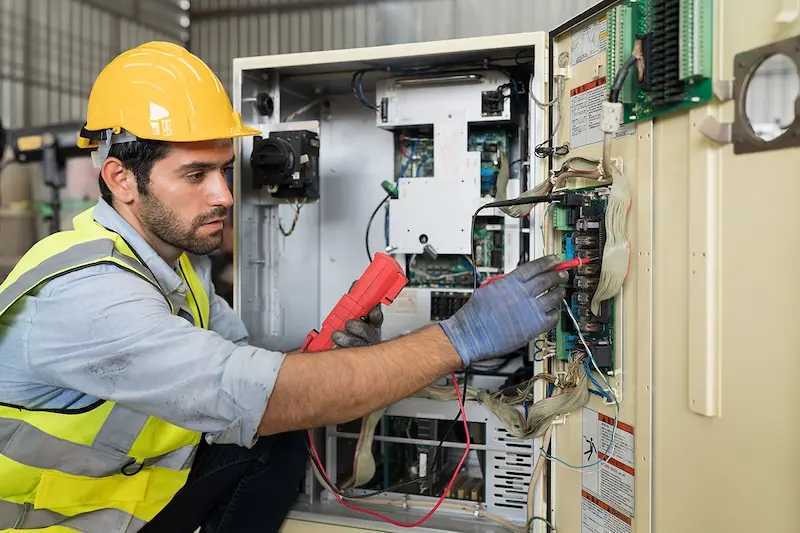
Beyond equipment failure, human operational behavior remains one of the most critical risk factors in energy storage facilities.
Industry analysis shows:
- High dependence on outsourced maintenance teams
- Frequent staff turnover
- Inconsistent safety execution across projects
Typical issues include:
- Unauthorized access to restricted zones
- Operations without valid work permits
- Incomplete execution of safety procedures
- Lack of accountability during field operations
These human-related risks often become the trigger point for larger system incidents.
System Integration and Control Failures
- Battery Management System (BMS)
- Power Conversion System (PCS)
- Fire protection and emergency response systems
- Monitoring and access control platforms
However, in many existing projects, these systems operate independently. This creates “information silos,” which result in:
- Delayed emergency response
- Lack of synchronized safety decisions
- Incomplete risk visibility across systems
Energy Storage Security System and Operational Performance Trends
Key indicators include:
- Average annual operating hours: 1940 hours
- Equivalent full charge-discharge cycles: 8248 cycles per year
- Overall system availability: 0.98
As a result, the need for a robust Energy Storage Security System is becoming more urgent across grid-scale projects.
Industrial Access Control System for Energy Storage Facilities
Traditional access control methods used in industrial environments are no longer suitable for modern energy storage infrastructure.
Mechanical locks and manual key systems face several limitations:
- No traceability of personnel access
- High risk of key duplication
- No linkage with operational work permits
- Limited enforcement of safety rules
In high-risk zones such as PCS rooms, battery containers, and transformer areas, these weaknesses can directly lead to operational accidents.
A modern Industrial Access Control System must therefore provide:
- Digital identity-based authorization
- Time-bound access permissions
- Full audit traceability
- Integration with operational workflows
Vanma Smart Lock in Energy Storage Safety System Applications
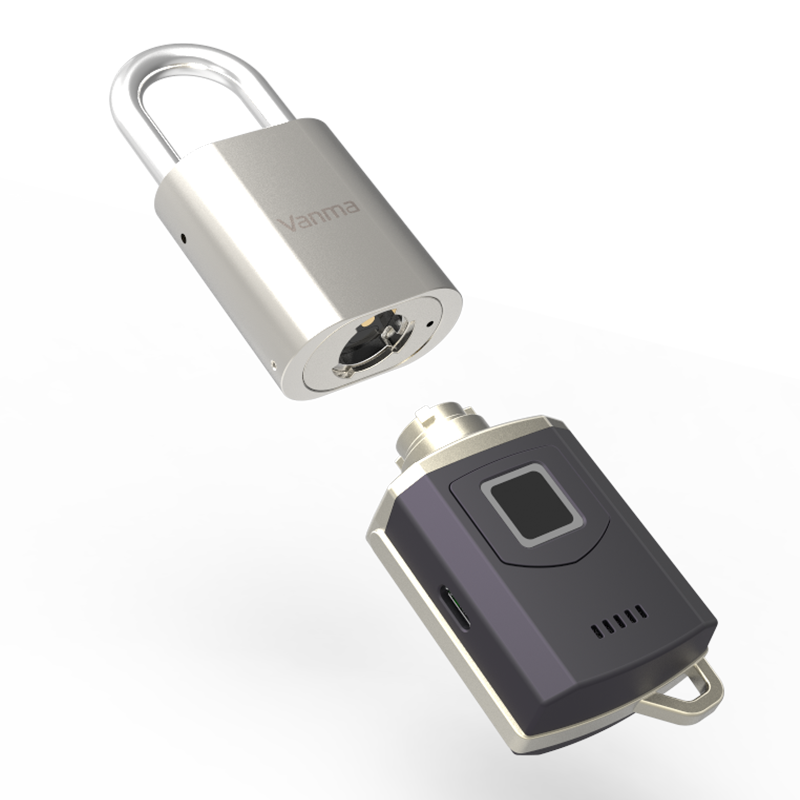
The Vanma Passive Electronic Lock System introduces a new approach to physical access control designed specifically for critical infrastructure environments.
Unlike traditional electronic locks, Vanma systems do not rely on internal batteries or external power supply. Instead, they use a key-powered activation mechanism with encrypted authentication, ensuring both reliability and security.

Work Permit Linked Access Control
One of the most important innovations in the Vanma system is its direct linkage with work permits.
- Each maintenance task is assigned a specific access authorization
- Permissions are valid only within defined time windows
- Expired permissions automatically become invalid
This ensures that physical access is always aligned with approved operational procedures, significantly reducing unauthorized entry risks.
Offline Safety and Emergency Access Capability
Energy storage stations are often located in remote or harsh environments where network connectivity may be unstable.
Vanma systems support offline operation:
- Access control remains functional without network connectivity
- Authorization data is stored securely in the physical key
- Emergency access procedures can be maintained when digital systems fail
This ensures continuity of safety control under all operational conditions.
Audit Trail and Compliance Control
Every access event is automatically recorded, including:
- User identity
- Timestamp of operation
- Specific lock and location ID
This creates a complete and tamper-resistant audit trail, which is essential for:
- Regulatory compliance
- Safety inspections
- Incident investigation and root-cause analysis
Battery Energy Storage Safety Solutions in Large-Scale Power Plants
Large-scale energy storage facilities require a multi-layered safety strategy that integrates equipment monitoring, operational governance, and physical access control.
Based on 2025 industry data, most high-risk incidents are not caused by single equipment failure, but by a combination of:
- Human operational errors
- System integration delays
- Unauthorized access to critical areas
Vanma contributes to Battery Energy Storage Safety Solutions by adding a physical enforcement layer that ensures only authorized personnel can access sensitive infrastructure.
This significantly reduces operational uncertainty and strengthens overall system resilience.
Future Development of Energy Storage Safety System
The evolution of energy storage safety is moving toward intelligent, integrated, and predictive systems.
Key trends include:
- AI-based risk prediction and anomaly detection
- Digital twin simulation of energy storage stations
- Real-time integration of grid, safety, and access control systems
- Automated response mechanisms for operational hazards
These technologies will transform energy storage facilities from reactive systems into proactive safety ecosystems.
Conclusion
The rapid expansion of energy storage infrastructure is fundamentally changing the nature of operational safety. While equipment reliability continues to improve, the complexity of system interaction and human involvement introduces new categories of risk.
A modern Energy Storage Safety System must therefore combine:
- Equipment-level risk management (PCS, battery systems)
- Human operational control and accountability
- System-level integration across platforms
- Physical access enforcement through industrial-grade control systems
The Vanma smart lock system plays a critical role in this architecture by providing a secure, traceable, and enforceable access control layer for high-risk energy storage environments.
As the industry continues to scale, integrated safety and access control systems will become a foundational requirement for reliable and sustainable energy storage operations.
Share:
Table of Contents
Try Vanma Electronic Lock
You can contact us to request samples, and to experience the convenience of Vanma electronic locks.
Contact Us NowChoose A Trusted Access Control Manufacturer for
Reliable Solutions
As a professional manufacturer of access control systems and electronic locks, Vanma offers high-quality solutions to protect your premises and assets. Contact us by filling out the form below to receive professional consultation and support.
