
An electronics lock is no longer just a smart alternative to a mechanical lock. It has become a practical tool for organizations that want stronger access control, clearer responsibility, and better visibility into daily operations. When people search for an electronics lock today, they are usually not asking how to lock a door. They are asking how to control who can open it, when it can be opened, and how that action can be traced later. This shift in mindset is exactly why electronic locking technology is growing so fast across infrastructure, utilities, logistics, and industrial environments.
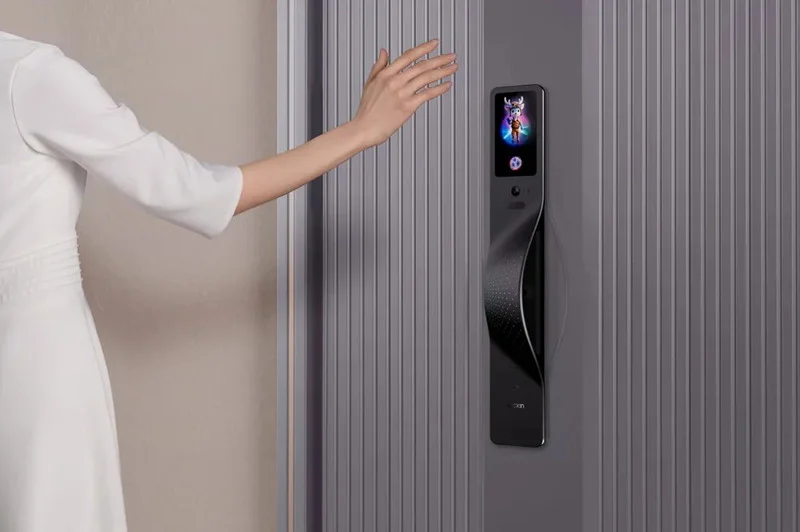
At its core, an electronics lock is a lock that makes decisions. Instead of opening simply because a piece of metal fits into a cylinder, an electronics lock checks identity, permissions, and rules before it unlocks. This difference may sound small, but in real-world operations it completely changes how security is managed. With an electronics lock, access becomes a controlled process rather than a physical coincidence.
In practical terms, an electronics lock allows managers to define who can open which lock, during which time window, and under what conditions. This level of control is impossible with traditional mechanical locks, where possession of a key automatically equals access. That is why electronics locks are increasingly viewed as management tools, not just hardware.
An electronics lock works through electronic authentication rather than blind mechanical matching. When a user presents an electronic key, card, fingerprint, or mobile credential, the lock verifies whether that credential is valid. It then checks whether the user has permission at that specific moment. Only when all conditions are met does the lock release its mechanical structure and allow access.
This process usually takes less than a second, but behind the scenes it involves encrypted communication, identity verification, and decision logic. In many industrial electronics lock systems, the lock itself does not rely on an internal battery. Instead, temporary power is supplied by the electronic key during the unlocking process. This design dramatically improves reliability, especially in outdoor or remote environments.
Card-based electronics locks are commonly used in offices, hotels, and commercial buildings. They are easy to use and quick to deploy. However, in environments where cards can be shared or lost frequently, card-based systems may require additional management rules to remain secure.
Fingerprint electronics locks tie access directly to a specific person rather than a transferable object. This makes them useful in environments where accountability matters. If a lock is opened, there is no doubt about who performed the action. That said, fingerprint systems must be carefully designed to work reliably in dusty, wet, or industrial conditions.
Bluetooth electronics locks allow smartphones or tablets to act as credentials. These systems are popular in flexible work environments because permissions can be updated remotely. However, they usually require power inside the lock or nearby infrastructure, which limits their suitability for some outdoor applications.
Passive electronics locks are designed specifically for industrial and infrastructure use. They contain no internal power source and are activated by an electronic key. This makes them extremely reliable and low-maintenance. For industries such as power utilities, telecom, and transportation, passive electronics locks are often the preferred choice.
The main reason electronics locks are replacing mechanical locks is not technology for its own sake. It is about control. Mechanical locks offer no visibility into who accessed a location, no way to limit access by time, and no easy way to respond when a key is lost. Electronics locks solve all of these problems in a structured and scalable way.
Another important factor is operational efficiency. In large systems with hundreds or thousands of locks, managing mechanical keys becomes chaotic. Electronics locks allow one electronic key to open many authorized locks while still maintaining strict permission control. This reduces downtime, improves workflow, and lowers long-term management costs.
From a user perspective, an electronics lock often feels just as simple as a mechanical lock. You present a key, the lock opens, and you move on. The difference is what happens afterward. With an electronics lock, the action is recorded. Managers can later review who opened the lock, when it happened, and how often it occurs.
From a management perspective, the difference is even greater. Mechanical locks require physical intervention to change access rights. Electronics locks allow permissions to be updated digitally. This flexibility is critical in modern operations where teams change, contractors come and go, and access requirements evolve constantly.
Electronics locks are widely used in power and utility infrastructure, where unauthorized access can cause safety risks and service interruptions. They are also common in telecom cabinets, data centers, transportation systems, logistics vehicles, and industrial facilities. In all of these environments, the ability to control and audit access is more important than simply locking a door.
One of the biggest misconceptions about electronics locks is that they are fragile or unsuitable for outdoor use. In reality, industrial-grade electronics locks are designed to operate in extreme temperatures, high humidity, heavy dust, and strong vibration. High ingress protection ratings and corrosion-resistant materials ensure long-term reliability.
For applications such as substations, roadside cabinets, and railway equipment, electronics locks are often more reliable than mechanical locks because they eliminate issues like frozen cylinders, worn keys, and uncontrolled duplication.
Modern electronics locks rely on encryption to secure communication between the lock and the key. This prevents cloning and unauthorized access attempts. In addition, many systems maintain detailed audit trails that record every unlock attempt, whether successful or not.
These records are not just for security. They provide valuable operational data that can be used to improve workflows, identify bottlenecks, and demonstrate compliance with safety regulations.
Offline electronics lock systems store permissions directly on electronic keys. This makes them ideal for remote locations without network coverage. Online systems, on the other hand, allow real-time authorization and remote control. The choice between offline and online depends on the application environment, not on security level alone.
An electronics lock without software is like a computer without an operating system. Software defines access rules, manages users, and generates reports. It turns individual locks into a unified access control system that can be managed centrally.
Choosing the right electronics lock starts with understanding the environment. Outdoor installations, explosive atmospheres, and high-frequency access points all require different designs. It is also important to consider how many users will need access and how often permissions will change.
An electronics lock is not just about locking and unlocking. It is about transforming access into a controlled, traceable, and manageable process. For organizations that value security, efficiency, and accountability, electronics locks are no longer optional. They are becoming the standard.
Yes. Industrial electronics locks are designed with sealed housings, corrosion-resistant materials, and wide temperature tolerance, making them suitable for long-term outdoor deployment.
If an electronic key is lost, it can be disabled in the system without changing the lock. This prevents unauthorized access and avoids costly rekeying.
No. Passive electronics locks do not contain internal batteries and receive power from the electronic key during unlocking, which improves reliability.
Yes. Electronics lock systems are designed to scale and can manage hundreds or thousands of locks from a central platform.
Most electronics locks are designed to be intuitive. From a user perspective, the experience is often as simple as using a traditional key.

