
Electronic Security Locks for Doors
In today's world, security is more important than ever. With the rise of home automation and smart technology, traditional locks are becoming outdated.
One of the most advanced solutions for securing your home or business is the use of electronic security locks for doors. These high-tech locks go beyond simple
keys and deadbolts, offering advanced features like remote access, biometric scanning, and audit trails, making it easier than ever to protect your property.
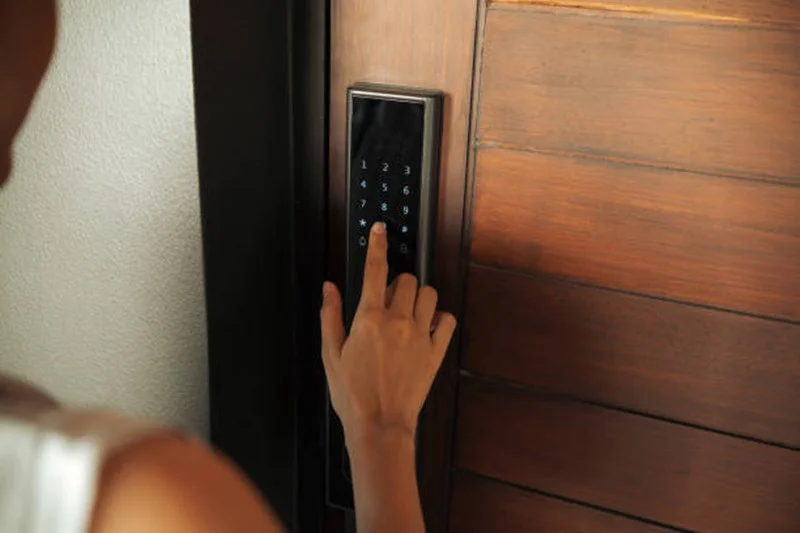
How Electronic Security Locks Work
Electronic security locks function by using an electronic mechanism to engage or disengage the lock on your door. Instead of relying on a traditional key, they use
digital methods such as PIN codes, RFID cards, or biometric data like fingerprints. Each time you enter your credentials, the lock’s system checks whether the input
matches stored data, and if correct, it unlocks the door. This method not only increases security but also offers greater convenience by allowing multiple forms of authentication.
Key Components of an Electronic Security Lock
The basic structure of an electronic security lock includes several key components:
1. **Electronic Control Unit**: This is the brain of the system that verifies the input provided by the user.
2. **Input Device**: This can be a keypad, RFID reader, or biometric scanner, depending on the type of lock.
3. **Power Source**: Most electronic locks are battery-powered, though some can be wired directly to the home’s electricity.
4. **Locking Mechanism**: Once authorized, this part physically locks or unlocks the door.
Types of Electronic Security Locks
Keypad Locks
Keypad locks are among the most popular types of electronic locks. They require the user to enter a numerical code to gain access. This type of lock is widely used in both
residential and commercial settings due to its simplicity and effectiveness. Keypad locks eliminate the need for physical keys, reducing the risk of lockouts or losing your keys.
Smart Locks
Smart locks take convenience to the next level by allowing users to control their locks remotely through a smartphone app. You can lock and unlock your door from anywhere,
making it easy to grant access to visitors, repair personnel, or delivery workers without being physically present. Smart locks can also integrate with other smart home devices,
creating a seamless security ecosystem.
Biometric Locks
Biometric locks use fingerprint or facial recognition to authenticate users. They offer one of the highest levels of security because they rely on unique physical
characteristics. These locks are often used in high-security areas or for businesses that require tight access control.
RFID Locks
RFID (Radio Frequency Identification) locks use a key card or fob to unlock doors. Commonly seen in hotels or office buildings, RFID locks are easy to use and highly convenient.
They are especially useful for large facilities where access control is needed for multiple individuals.
Benefits of Using Electronic Security Locks
Enhanced Security
One of the primary advantages of electronic locks is enhanced security. Unlike traditional locks, which can be easily picked or bumped, electronic locks use advanced authentication
methods that make unauthorized access far more difficult. Biometric locks, for example, require a unique fingerprint, making them nearly impossible to bypass.
Convenience and Remote Access
Electronic locks provide convenience by eliminating the need for keys. You no longer have to worry about forgetting or losing your keys, and you can unlock your door with a
simple tap on your smartphone. Some electronic locks also allow you to set temporary codes for guests, reducing the need for duplicate keys.
Audit Trails and Monitoring
Many electronic locks can log the date and time each time the door is accessed. This feature is particularly useful for businesses that need to monitor who enters and exits certain
areas. It adds an extra layer of security and accountability, as you can track access and identify any unauthorized entries.
Integration with Smart Home Systems
Smart locks can integrate with your home’s smart security system, linking with devices such as security cameras, alarm systems, and smart lights. This creates a
comprehensive security setup where you can monitor and control all aspects of your home’s security through one central platform.
Challenges of Electronic Security Locks
Power Failure Issues
Since electronic locks run on electricity or batteries, power failures can be a concern. However, most electronic locks come equipped with backup power options,
such as a battery reserve or even manual key overrides, ensuring that you won’t be locked out in case of a power outage.
Hacking and Cybersecurity Concerns
Because many smart locks connect to Wi-Fi or Bluetooth, they are vulnerable to hacking. Manufacturers address this by implementing high levels of encryption and security
protocols, but it’s still something to consider. Regular software updates and strong passwords can help mitigate these risks.
Choosing the Right Electronic Security Lock for Your Needs
When selecting an electronic security lock, it's essential to consider the specific needs of your home or business. For residential use, a simple keypad or smart lock
may be sufficient. Businesses, on the other hand, may require more advanced systems like biometric or RFID locks for enhanced security. It's also important to check
compatibility with your current door and other security systems to ensure smooth integration.
Installation of Electronic Security Locks
DIY vs. Professional Installation
Many electronic locks are designed to be easily installed by the user, making DIY installation a viable option. However, for more complex systems like smart locks
integrated with home automation, it might be worth hiring a professional to ensure everything is set up correctly. A professional can also provide advice on the best
placement for maximum security and efficiency.
Best Practices for Maintaining Electronic Security Locks
Regular Software Updates
To ensure your electronic lock functions at its best, it’s essential to keep its software up to date. Manufacturers frequently release updates to improve performance
and security features, so regularly checking for these updates will keep your lock secure and functioning smoothly.
Battery Maintenance
Most electronic locks run on batteries, so it’s crucial to monitor battery life and replace batteries when necessary. Some locks will alert you when the battery is low,
while others have backup power options to prevent lockouts during battery failure.
Popular Brands and Models
There are several well-known brands in the electronic lock market, each offering different models for various needs. Some of the most popular options include:
- **Yale**: Known for smart locks that offer remote access and integration with smart home systems.
- **August**: Specializes in locks that can be operated remotely and are easy to install.
- **Schlage**: Offers a range of both keypad and smart locks, known for their durability and advanced security features.
How Electronic Security Locks Improve Property Value
Investing in electronic security locks can enhance your property value, especially if you plan on selling. Potential buyers often find homes with smart security systems more appealing
because of the added convenience and security features. A home equipped with a modern security system is often viewed as being safer and more tech-savvy, which can increase its marketability.
Are Electronic Security Locks Safe?
Some people might question the safety of electronic security locks due to potential hacking or power failure concerns. However, these locks are generally very safe when properly maintained.
Most models come with advanced encryption to prevent hacking and manual overrides in case of power outages. Additionally, electronic locks can offer features like audit trails and two-factor
authentication, making them more secure than traditional locks.
Future Trends in Electronic Security Locks
The future of electronic security locks is exciting, with advancements in AI and biometrics on the horizon. We may see locks that use facial recognition or voice commands,
making them even more secure and convenient. AI integration could also allow locks to learn the habits of users, automatically locking or unlocking doors based on
your routines, providing hands-free security.
Cost of Electronic Security Locks
The cost of electronic security locks varies depending on the type and features. Basic keypad locks can start around $50, while more advanced smart and biometric locks
can range between $150 to $400 or more. While electronic locks may have a higher upfront cost than traditional locks, their long-term benefits in terms of security
and convenience often make them a worthwhile investment.
Common Misconceptions about Electronic Security Locks
Do They Replace Traditional Locks?
Not necessarily. While electronic locks are a fantastic option for those looking to enhance their security, many people still choose to keep traditional locks as backups.
Some electronic locks even come with a traditional key override, allowing you to use both systems for added peace of mind.
Are They Only for Tech-Savvy People?
Absolutely not! Modern electronic locks are designed to be user-friendly and easy to operate. You don’t need to be a tech expert to benefit from the convenience
and security they offer. Many locks are straightforward to install and come with clear instructions, making them accessible to anyone.
Conclusion
As we move further into a technology-driven world, electronic security locks are becoming an increasingly popular choice for securing homes and businesses. Offering
a combination of advanced security, convenience, and smart features, these locks provide a significant upgrade from traditional locking mechanisms. By choosing
the right lock for your needs and maintaining it properly, you can enjoy the peace of mind that comes with knowing your property is secure.
FAQs
Can electronic security locks be hacked?
While there is always a risk with any electronic device connected to the internet, modern electronic locks use advanced encryption to minimize the chances of hacking.
Regular software updates and strong passwords can further reduce the risk.
What happens if the power goes out?
Most electronic locks are designed with backup systems, such as batteries or manual key overrides, so they continue functioning even during power outages.
Are electronic locks difficult to install?
Many electronic locks are designed for easy DIY installation. However, for more complex systems, you may want to hire a professional to ensure proper setup and integration with
other security systems.
Do electronic locks work with smart home systems?
Yes, many electronic locks can integrate with smart home systems, allowing you to control your locks remotely and automate certain functions, such as locking the door when you
leave the house or arming the alarm system.
How long do the batteries last in an electronic lock?
Battery life varies depending on the lock and how frequently it is used. On average, batteries in electronic locks can last from six months to two years. Most locks will notify
you when the battery is running low, giving you plenty of time to replace it.
